
Notices
Nominees for the Election of the Board of Governors 2024-2025 Read More…
FCC Statement on border entry denial of Reporters Without Borders representative Read More…
FCC Nomination for the Board of Governors 2024–2025 Read More…
FCC Podcast
Twitter Updates


Press Freedom
FCC Statement on border entry denial of Reporters Without Borders representative Read More…
FCC Submission on the Consultation Document of Article 23 of the Basic Law Read More…
FCC Statement on Journalists and the Israel-Hamas War Read More…
FCC Statement on Unjust Sentencing of Myanmar Photojournalist Sai Zaw Thaike Read More…
FCC Statement on Blocking of The Kashmir Walla in India Read More…
Statement on Results of FCC’s Press Freedom Survey Read More…
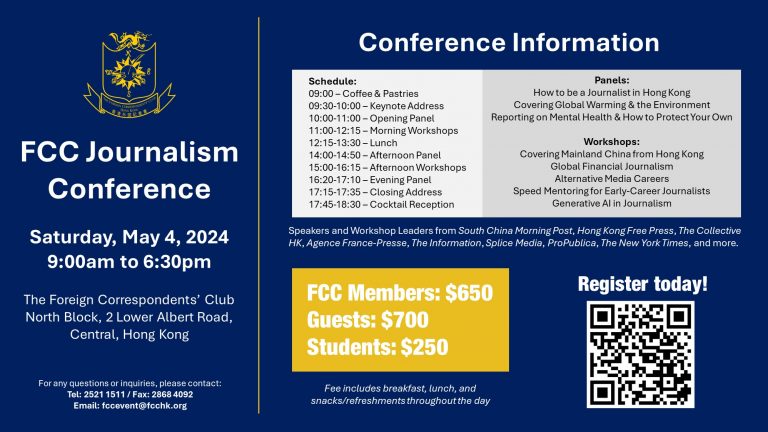
Upcoming Events

Dining

4 Sep 2023 — 31 Aug 2024
15 Nov 2023 — 14 Nov 2024
15 Mar 2024 — 30 Apr 2024



Promotions
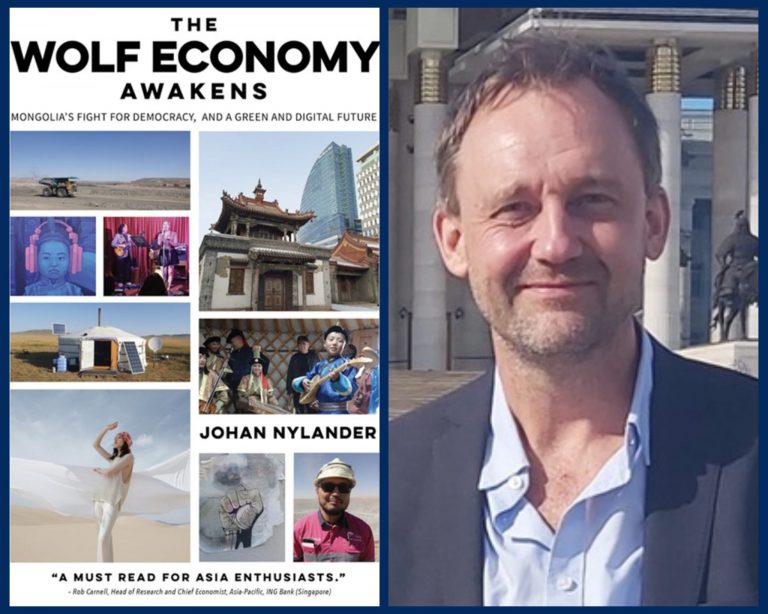
Latest Speakers
About The Foreign Correspondents’ Club
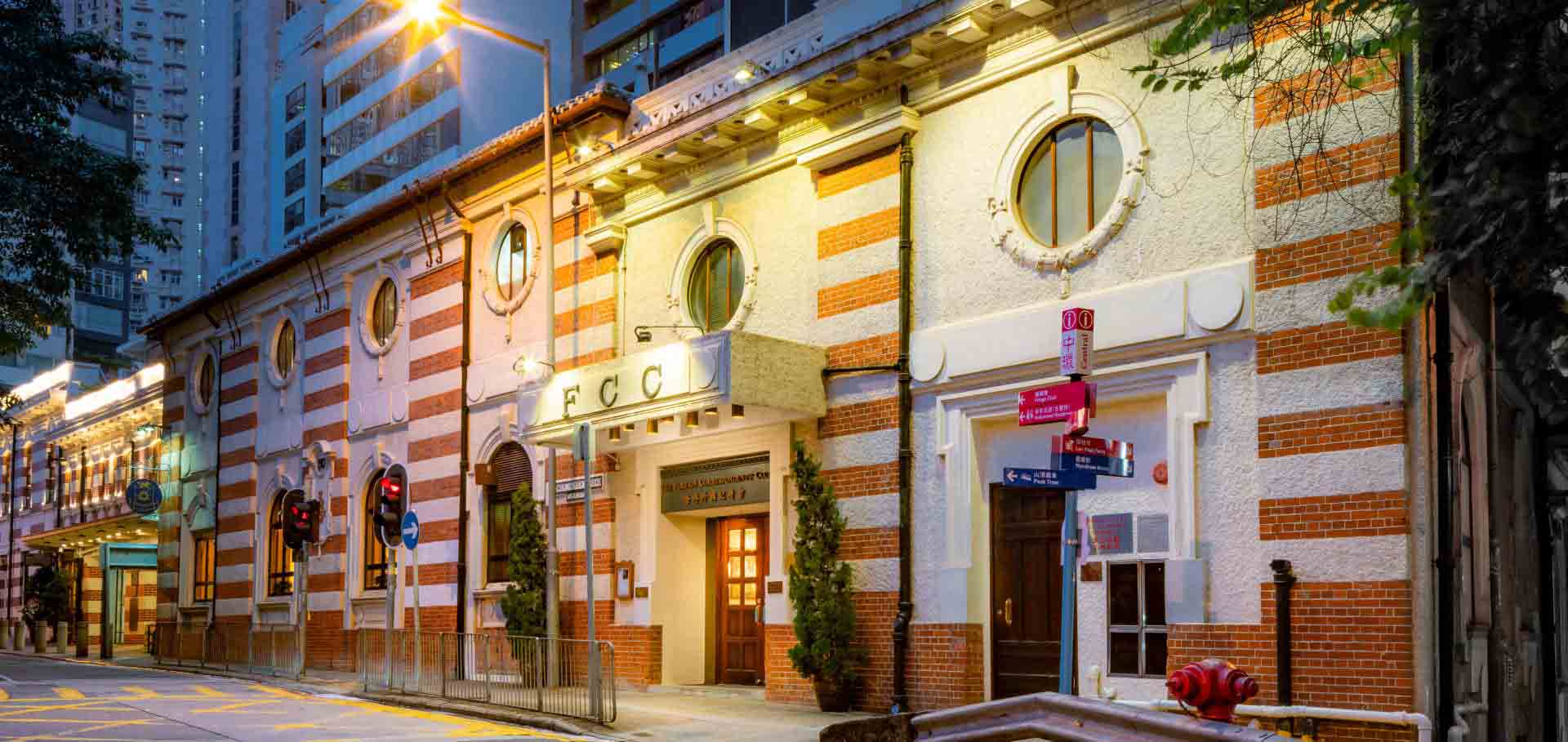
The Foreign Correspondents’ Club, Hong Kong is probably the most famous press club in the world. We have a long and rich journalistic heritage dating back to our founding in China in 1943. Over the ensuing decades, our members have been eye witnesses to history across Asia, bringing the stories to the world in words and pictures.
Contact the editor
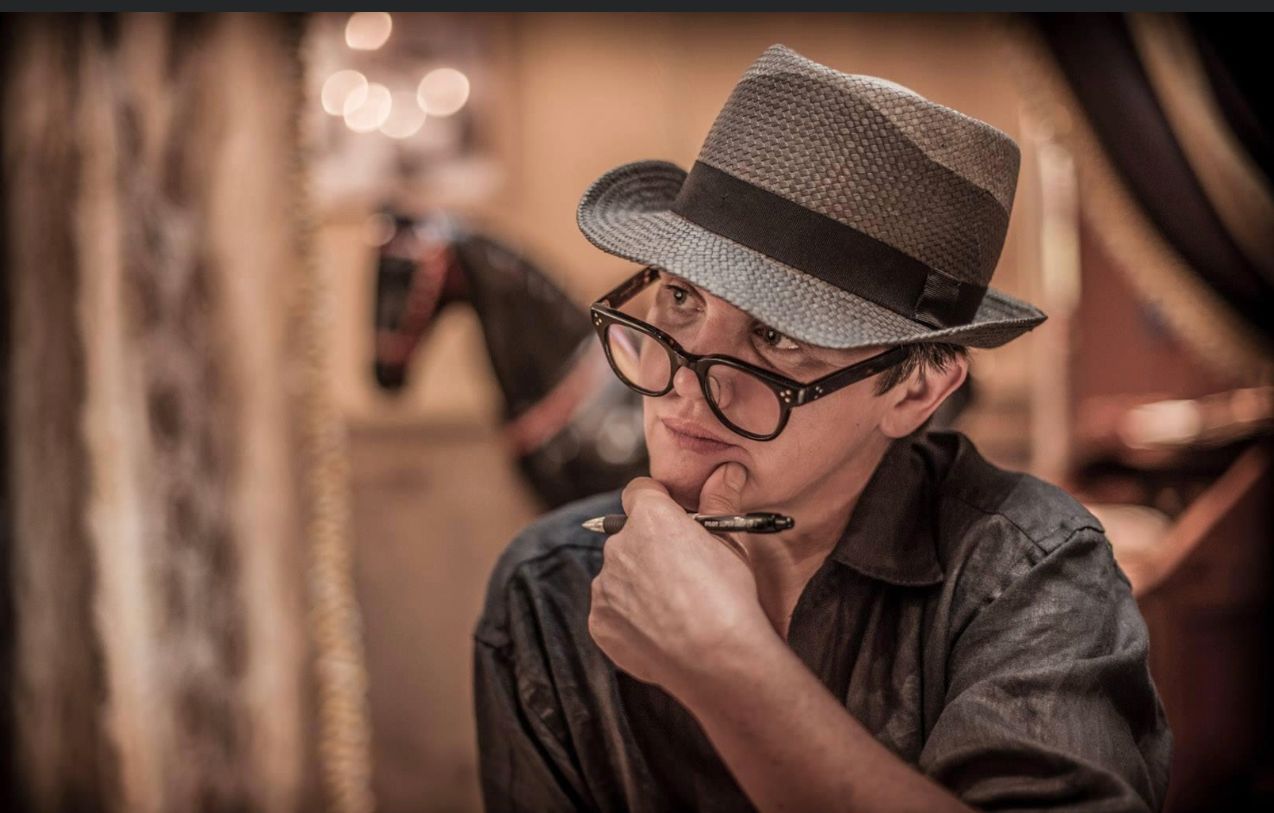
Ann Tsang
Ann has more than two decades of experience in the field of writing, editing, art directing and publishing. She has edited and produced publications for a long list of high-profile companies for local, regional, U.S. and European distribution.
Prior to establishing her own publishing business, Ann worked for a number of local and international broadcasting companies, including TVB, STAR TV, CNBC, NBC and MTV.
She is thus highly versed in many cultures, as well as that of Hong Kong, having resided in the SAR for 40 years.
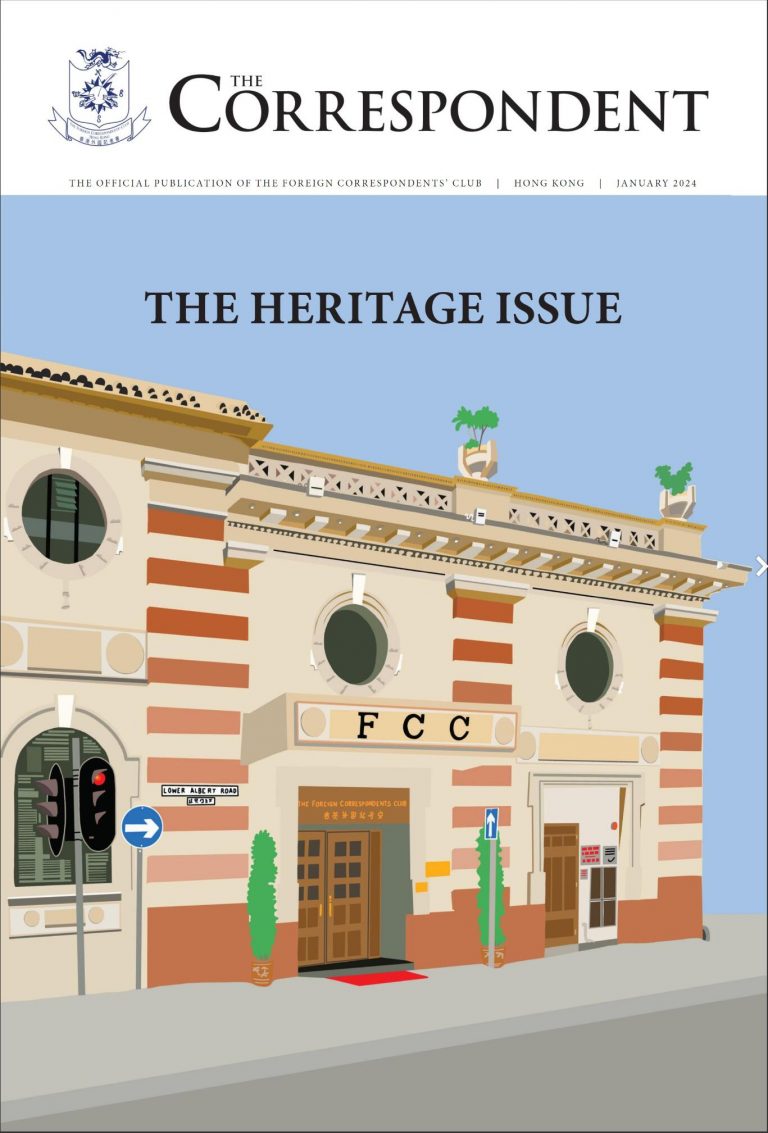
The Correspondent
Our History
The Foreign Correspondents’ Club was founded in 1943 in Japanese-occupied China during World War II. Its first base was in Chongqing, a city controlled by nationalist leader, Chiang Kai-shek. As the struggle between the Nationalists and Mao Zedong’s Communists intensified after the invaders were repelled, the Club moved with the action, first to Nanjing, then to Broadway Mansions in Shanghai….
Become A Member
- FCC membership is open to all. In addition to the correspondents and journalists who remain the heart of the club, we count diplomats, doctors, bankers, lawyers, artists and teachers among our membership and we welcome others keen to join the discussion.
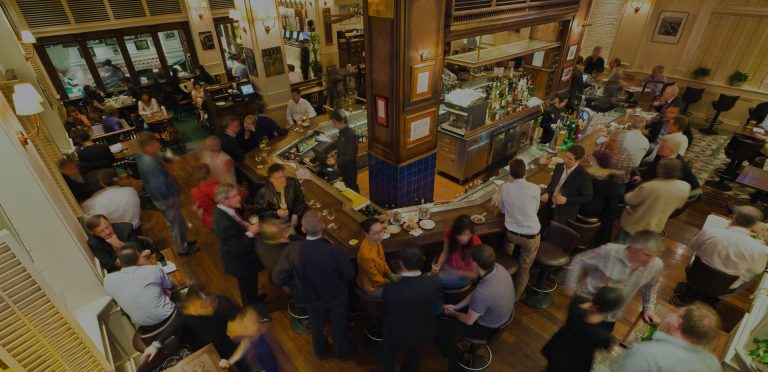
- Club members have access to our facilities from breakfast through to a late nightcap. We offer food and drinks throughout the day as well as a workroom and a gym. As an important media hub, the Club provides a neutral platform for an impressive range of local and international speakers and our great meeting venues can be hired by members for business gatherings, hosting media events and weddings as well as drinks or dinner with friends and guests.
- For more on our dining and hospitality options, click here.
- The FCC also maintains a wide set of reciprocal relationships with other clubs around the world for our members to visit. For more details of the clubs we have links with, and how to arrange visits, please click here.