Members Area Logout

Victory as planners cut Bishop Hill hospital down to size

A large, looming hospital planned to be built on historic Bishop Hill, adjacent to the FCC, has been curtailed by the Town Planning Board.

Artist’s impression of proposed 25-storey hospital at the SKH site. Artist’s impression of proposed 25-storey hospital at the SKH site.

In a considerable recent victory for objectors against a new 25-storey hospital proposed by the Sheng Kung Hui (Anglican church) – occupants of the site since the 1840s – the Board has now imposed an 80 metres height restriction on any newly-built structure on the northern part of the site.

Importantly, any redevelopment or demolition of existing buildings will need the Board’s approval. This means any future development proposals for Bishop Hill will be publicly available and open to public comment through the Town Planning Board.

Meet the jade collector who turned down a US$25,000 offer from Francis Ford Coppola

FCC member Angus Forsyth has been described as having “the eye of one of the greatest living collectors of Chinese jade”. Here he talks with his old friend Jonathan Sharp about his latest book

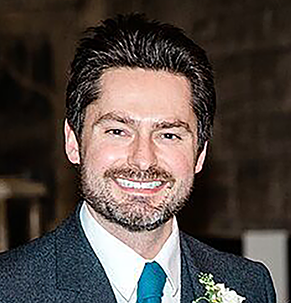
Angus Forsyth Angus Forsyth

When I first met Angus Forsyth in Hong Kong in the early 1970s, he collected Mao badges. He had amassed a huge and varied collection. It so impressed Francis Ford Coppola that the film director offered to buy the lot for US$25,000 (HK$196,000). Nothing doing. “I turned him down because as a collector I was still forming the collection and I was not a collection seller.”

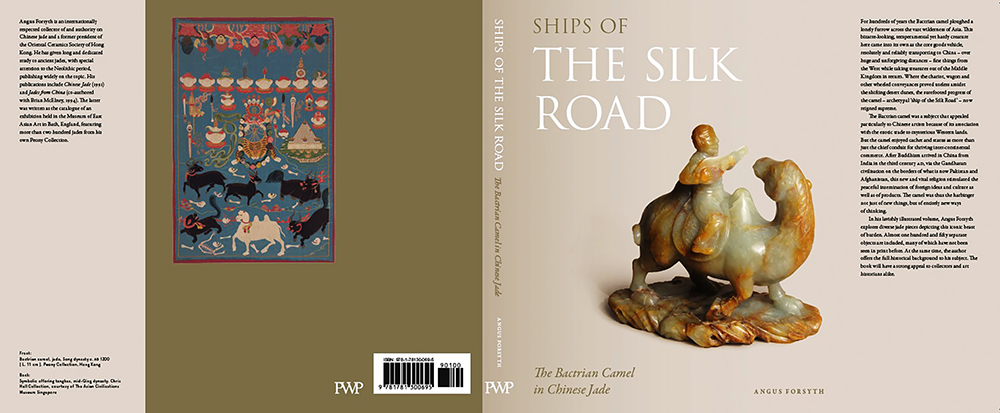
And what an assiduous and eclectic collector Angus is. Being a former president of the Oriental Ceramics Society of Hong Kong and co-author of a book Jades from China speak for themselves. As does the title of his latest book, Ships of the Silk Road: The Bactrian Camel in Chinese Jade.

Angus Forsyth's Ships of the Silk Road Angus Forsyth’s Ships of the Silk Road

It’s a sumptuously produced volume, many years in gestation. What inspired him? “It was a confluence of things. One was the collecting of Bactrian camels in jade, which was fascinating to me. Another is visiting various places along the Silk Road – more than once – because it’s a dynamic, beautiful and impressive area. Another is the historical association of certain peoples with the Silk Road and running the traffic along the Silk Road.”

Finally, Angus knew that no other single publication about the fabled trade routes connecting China with the West, and beyond, has covered these fields.

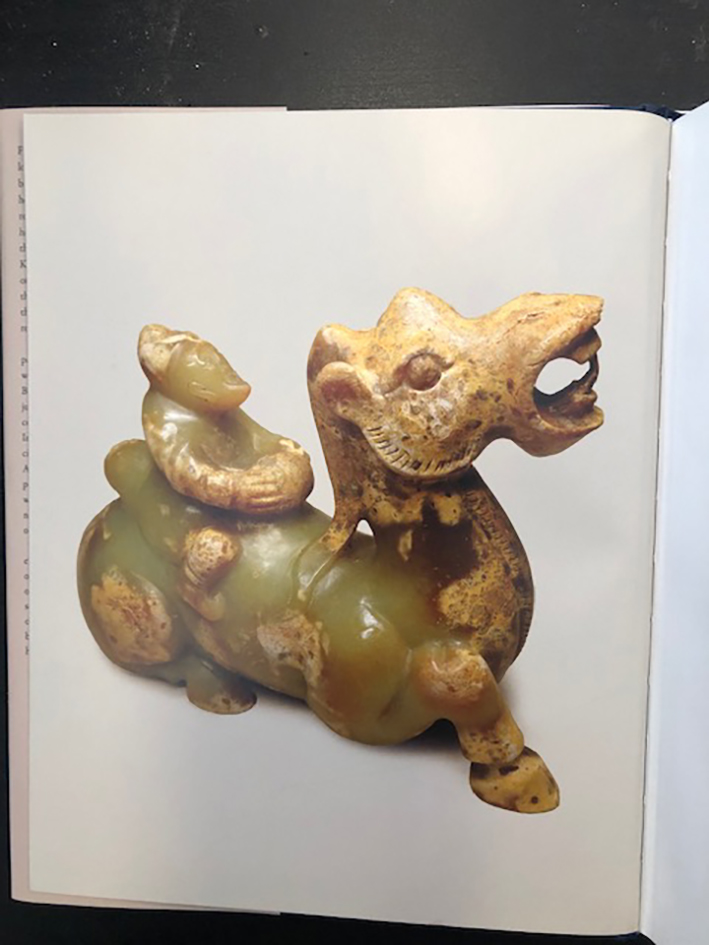
Nephrite jade is much harder than other jades, so much so that it cannot be carved Nephrite jade is much harder than other jades, so much so that it cannot be carved

Now he has filled that void. His book is richly illustrated, displaying many of his collection of antique jade camels, and is complemented by fascinating text on the role of peoples, camels and jade in the Silk Road saga.

The jade Angus writes about is not the common or garden variety, which is mostly green and comes from Myanmar. Of Angus’s collection of 75 antique jade camels, all but five are made of nephrite jade. This kind varies in colour and has what enthusiasts say is an agreeably sensuous feel to it. “If you touch it, it responds to your hand,” says Angus.

Nephrite jade is also much harder than other jades, so much so that it cannot be carved. Instead it is worked into the desired form by using abrasives that are even harder.

It comes from what used to be the kingdom of Khotan and what is now part of China’s Xinjiang Uighur Autonomous Region. Angus says that nephrite jade’s toughness has given rise to all sorts of linguistic synonyms for being durable, reliable and at the same time beautiful. “It’s become part of being Chinese. It’s a matter of constancy, it doesn’t change, it remains inviolate.”

From the Neolithic era on, the jade’s indestructability made it popular for use in burials of important people. Unlike bronze, it doesn’t erode. One of the camels illustrated dates back to 900 BC.

How the jade is formed is something of a mystery. It used to be thought that pebbles of the jade were formed by tumbling down fast-flowing rivers. “Whether or not that is a correct idea, I don’t know.”

As well as being attractive, nephrite jade is now extremely expensive – “more than gold, big time,” says Angus. I didn’t ask the obvious question of how much his collection is worth, but he did offer the following: a jade camel owned by a famous collector went at Sotheby’s recently for US$600,000 (HK$4.7 million).

Angus’s next project is a book about how the idea of human flight has been represented over the past 1,500 years – in jade.


Mental illness: The lonely taboo that weighs heavily on troubled minds

One in every four of us will struggle with mental health issues at some time, and FCC members Nic and Becky Gaunt decided to raise awareness of the issue in a creative and unique way. Kate Whitehead reports.

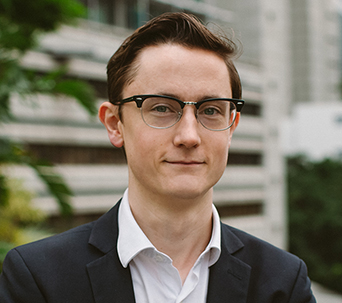
Andrew Work Andrew Work

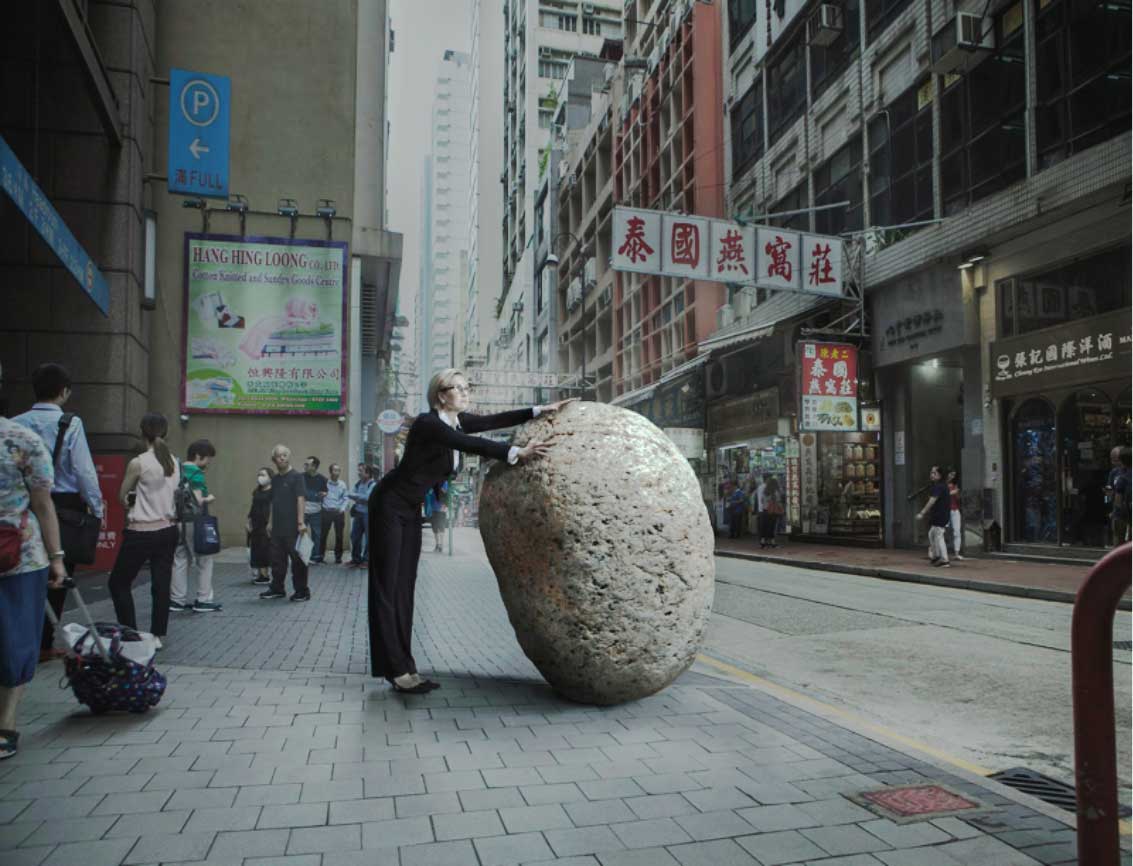
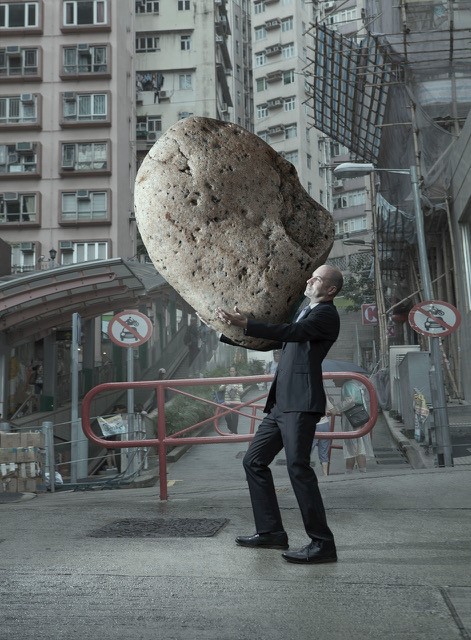
Fine art photographer Nic Gaunt and his wife Becky are hands down the club’s creative power couple. They have built a solid reputation for striking, edgy images and their recent Wall exhibition is no exception. Stones, a collection of 50 portraits that aim to raise awareness about mental health issues, is a deeply personal project.

“Hong Kong can be a very overwhelming and intense place, any feelings you have can be magnified,” says Nic. “Discussing mental illness here is more of a taboo than in the UK. I experienced this firsthand and decided to undertake this project to raise awareness.”

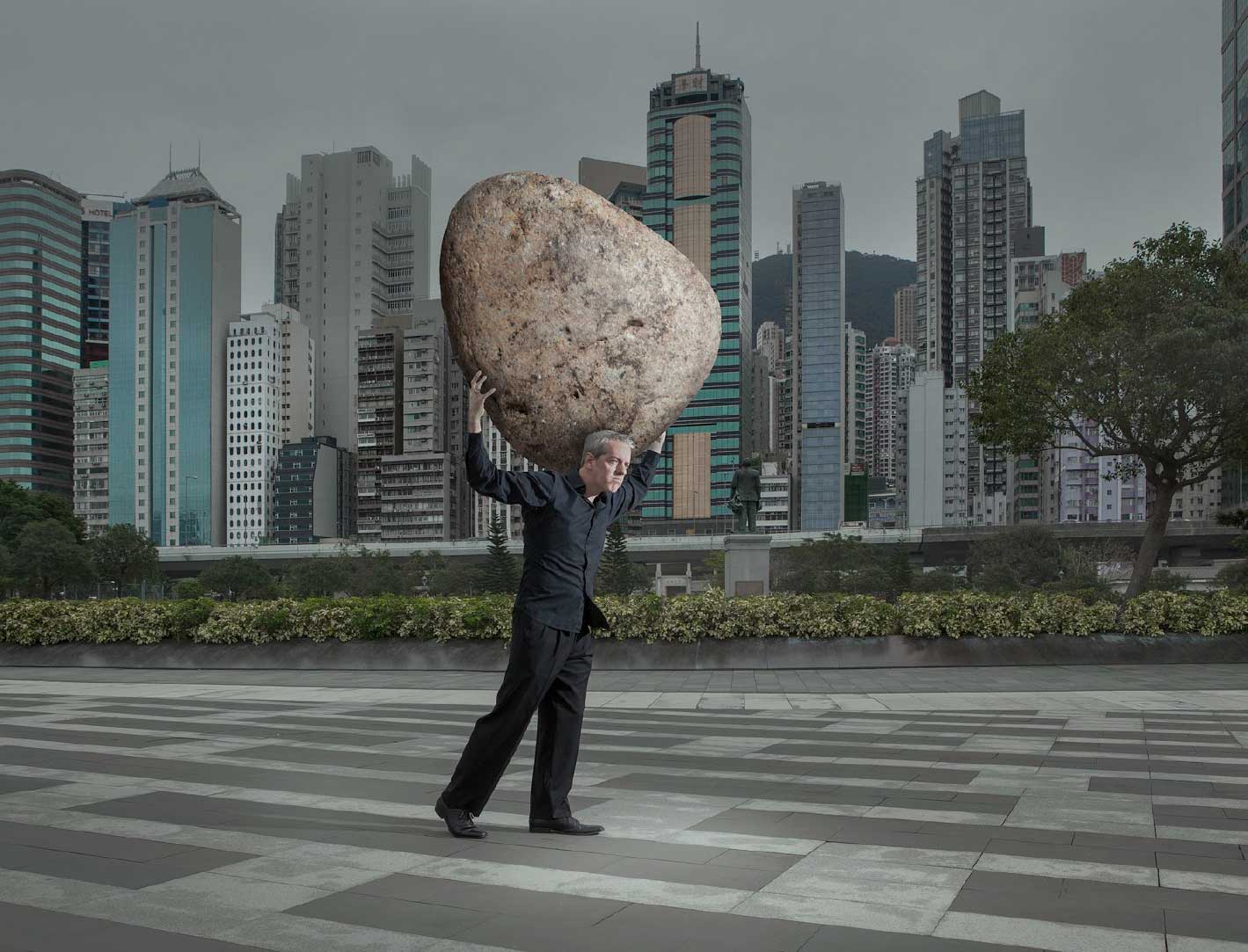
The British-born artist says he felt as though he had a huge weight on his shoulders, as though he were dragging a stone around all day. A strongly visual person, he wondered whether he could embody the notion in an actual physical stone. He shared his thoughts with friends. Some said that they had similar experiences, and so the idea for the Stones project was born.

Ines Laimins Ines Laimins

“A lot of people said they struggled or have friends or family who have struggled with mental health problems. They related to the idea. That was 12 months ago,” says Nic.

The project spread by word of mouth, as well as a social media call-out, and over the year Nic created 50 images. For some of those who posed for the photographs, it is their first public acknowledgement of a private struggle. Others are captured carrying a stone to represent the burden they share with a friend or family member.

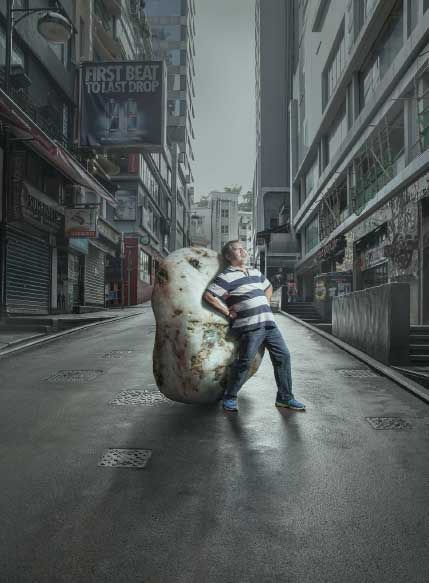
The Club’s former general manager Gilbert Cheng is pictured leaning back against a huge rock on D’Aguilar Street, in Central. He wanted to join the project in the hope of helping remove the stigma around mental illness.

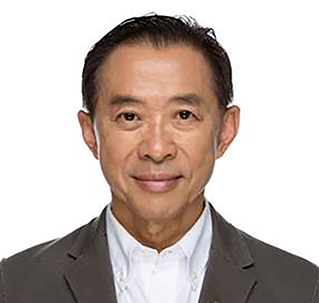
Gilbert Cheng Gilbert Cheng

“We need to accept that we have among us people of all types of constitution and emotional threshold,” says Cheng. “We should educate them from a young age not to expect that life is a bed of roses, and that these beautiful flowers have fragrance but also thorns.”

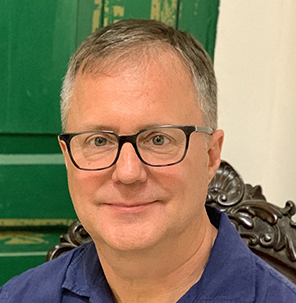
For another Club member, Andrew Work, the premise of the project resonated with him. “Hong Kong is made up of many people, but when you are in your head, it can be a very, very lonely place. It weighs on you,” says Work.

The diversity of people who posed for the Gaunts shows that mental health issues are not bound by race, class or gender.

“People posed from across the board. We’ve got almost all nationalities featured – German, Chinese, Filipino, Taiwanese, Nigerian, English, Australian, Canadian, Korean, Japanese, South American, Indian,” says Becky, who curated the project.

She also collected the stories of those featured and produced a book, The
Stone
. Reading the personal, and often very raw and frank accounts of those pictured, makes the project even more powerful. These are people who are brave enough to stand up and say that they have struggled with a mental health issue – and by coming out Becky hopes that more people will feel comfortable about speaking up about their own struggles.

Ines Laimins, an actress, has featured in some of the couple’s previous projects and said she was keen to be involved with this one. “Everyone has struggled with something at some point, everyone can relate to this project in some way. [The Gaunts] take on projects that have a social impact, and I think this one, which brings mental illness into the open, is especially important,” says Laimins.

Those who volunteered to take part had seen the initial “Stone” images and many arrived at the shoot expecting to be pushing an actual rock. “One guy said, ‘Is it inflatable? Is it in your backpack?’” says Nic.

Rayve: “It is through awareness and empathy that we can actually help sufferers and make the world a better place to live.” Rayve: “It is through awareness and empathy that we can actually help sufferers and make the world a better place to live.”

In reality, the stones are only a few inches big. Nic photographed the participants quickly on the street – just six or seven frames for each person – and shot the stones separately. He then used his digital darkroom skills to meld the two.

“It was a very time-consuming process, adding the shadows to make it look like the stone was really there,” says Nic.

Hongkongers’ mental health has deteriorated, with the ongoing protests adding to people’s stress. A study in October conducted by the Chinese University used the World Health Organisation Well-Being Index (WHO-5), with a range of between 0 and 100, and 52 as the passing score. An acceptable mental health level was between 52 and 68 while above 72 showed a good status. The study found Hongkongers scored 46.41, below the previous year’s score of 50.20, and well below the acceptable passing score.

The Gaunts hope that the exhibition will continue to travel after its introduction on the Club’s Wall, to help remove the stigma around mental health issues. According to the WHO, one in four people in the world will be affected by a mental health issue at some point in their lives.

This is not a commercial project for the Gaunts, they are only interested in raising social awareness and getting people talking. If you would like to display some of the images in your office or other communal area, please contact Becky at [email protected]. If you would like to buy a copy of the book, The Stone (HK$500), please contact the Club’s reception desk. For more about the project go to www.nicgaunt.com

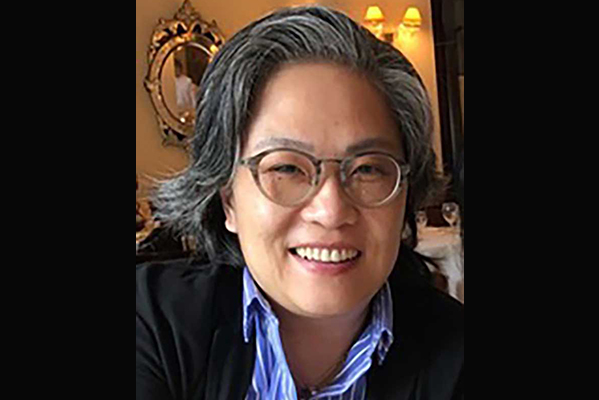
Kate Whitehead has lived in Hong Kong since she was seven. She is a journalist and author of two non-fiction crime books – After Suzie: Sex in South China and Hong Kong Murders.

Brenda and Vivian: “It’s so important to raise awareness of a subject so Brenda and Vivian: “It’s so important to raise awareness of a subject so many people turn their backs on. It’s also something many people don’t know how to deal with or how to process. In addition, anyone who has ‘the problem’ is often in denial and reluctant to get help.”
Carolyn: “I’ve known far too many people who have suffered in silence, been too scared to ask for help, or not got help when they tried. No-one should feel they can’t say anything about how they are feeling, and everyone deserves the support they need when they do. If you think a friend or a colleague might just need someone to ask them if they feel alright, then don’t hesitate. Ask them.”
Christian:  “I have personally seen how mental health problems can destroy families, and lives. Most of the time it goes unnoticed and untreated until it’s too late. I remember my college roommate seemed like a happy healthy guy, until one Christmas Eve he was found dead, no one knew he was ill, no one knew he had stopped taking meds.”

Introducing… FCC new members, January 2020

The latest group of members to join the FCC is, as always, an interesting bunch. The Membership Committee meets regularly to go through applications and is always impressed by the diversity of people who want to join the Club.

Paul Geitner

I’m an editor at Bloomberg News, focused on explanatory journalism. I grew up in Philadelphia but soon began moving around the U.S., eventually landing in New York with the Associated Press before heading in 1996 to Berlin, then to Brussels. Around that time I made my first trip to China, finishing after a couple weeks touring in Hong Kong. I switched in 2005 to The
International Herald Tribune/New York Times
in Paris (and briefly Hong Kong again). I came back with The Wall Street
Journal
en route to Jakarta in 2016. This is my first time living here with an actual HKID (and FCC membership card). I like to explore new hiking trails, art exhibits and remote islands.


Kenneth Zee

I was born in Yokohama, Japan, of Chinese parents. I studied Chemical Engineering at the University of Southern California, and a graduate degree in Manufacturing Engineering. I started my career with Chevron and worked in Japan and the United States. I was transferred to this never-sleeping, exciting, and glamorous city in 1993. I loved Hong Kong so much that I refused to be transferred until I took early retirement from Chevron in 2010 to pursue my long-time dream to become a photographer and an inventor. I held three photo exhibitions in 2018 and am planning another. I obtained two worldwide patents related to hand-washing devices and mixing bottles and just filed my third patent for a reusable drinking bottle. My wife Natsuko and I are thrilled to join the FCC.


Philip Cowley

I’m the trailing spouse. Formally the professor of politics at Queen Mary University of London, I’m in Hong Kong because my wife landed a great job as Group Chief Communications Officer for the Hong Kong Stock Exchange. While here I’m doing some freelance writing, mostly on British politics, for The Times, Daily Mail, Prospect, Spectator, and London Evening Standard, amongst others. Having never lived outside the UK, this seemed a good time to try it – with the prospect of escaping Brexit thrown in as a bonus. In practice Brexit has followed us and I’ve already found myself giving talks on the subject.


Thomas Duffell

After a few years stumbling from one profession to another I decided to go back to school and study to become a journalist. So far, so good, and after a short stint working as a freelance sports reporter in London, I found my way to finance. I now cover Asia’s financial markets as the managing editor of hedge fund-focused publication, AsiaHedge. A far cry from my undergraduate studies in Archaeology. When I’m not propping up the Main Bar or shooting pool at Bert’s, I’m usually at the beach. I’m always on the lookout for someone new to beat me at golf and I can make up the numbers at football.


Tanja Wessels

Born into a diplomatic family, geographic diversity has always been a constant. Sometimes I am South African, sometimes Portuguese, depending on the sports team or the topic. I studied filmmaking and art in Lisbon and London before moving to Asia in 2006. I went to Phnom Penh to make a documentary for two weeks and ended up staying four years, followed by Macau and now Hong Kong. More recently sustainability has become my focus, in particular fashion and eco-anxiety, and in 2017 I helped found Circular Community HK. I’m launching a creative company to better communicate climate change. Travel is important and recent destinations include DRC, Rwanda, Uganda and Botswana. Every year I head to Nevada for Burning Man.


Robin Duxfield

I work as Chief Operating Officer for IronBirch Capital in hedge fund operations and Hong Kong has been my home since 2008. My wife is an indigenous resident of Lamma Island and we enjoy travel and adventure. We have explored Champagne’s wine caves, floated by hot-air balloon above Tanzania’s great wildebeest migration and walked on a glacier in New Zealand. I climbed Kilimanjaro and ran a midnight-sun marathon within the Arctic Circle in Norway. We were lucky enough to see people voting in Burma’s 2012 historic by-elections, dolphins and whales swimming in Auckland harbour, and to walk with cheetahs in Namibia. And now we’ve embarked on the greatest adventure of all – parenthood! We’re excited to become members at FCC and look forward to many more new adventures.


David Cain

Born and educated in NZ, I moved as a teenager to Australia, where mum discovered to her disappointment that a Penal Colony was not a male nudist camp, and us kids swapped our traditional “Three Rs” education – reading, writing and rugby – with the more useful life skills of gambling, brawling and general chicanery. Shortly thereafter I discovered the good book; not the Bible but Lonely Planet’s South East Asia on a Shoestring which I used religiously throughout the late 80s and early 90s as I backpacked across the region. Fast forward some career changes and a few wives and I moved to HKG in early 2000. During the past 18 years I have lived and worked in Seoul, Tokyo, Singapore and Shanghai but always coming back, like a missing sock in a clothes dryer, to my adopted home of Hong Kong where I am executive managing director, Asia, for Brookfield Global Integrated Solutions.


Philip Seth Krichilsky

My name is Phil Krichilsky – father, climber, business turnaround lackey. I was born in New Jersey, U.S., own a home in Wyoming (a place with more bears and sheep than people), served in the U.S. Army Infantry for eight years, and have run troubled and challenged businesses for over 20 years. I rock and ice climb all over the world and tell grossly exaggerated stories about my skills on the high ground. For the better part of the past 12 years I have lived in Hong Kong, Shanghai, and Beijing, and, as a result, I speak truly awful Mandarin that supplanted the poor French I spoke before. Education wise, I studied engineering at West Point, business at Central Michigan and, please forgive me, government at Harvard. Beyond that, I live alone in Wan Chai surrounded by honking horns and a loud market and am president of Innovative Directions.


Michael Allen

I came to Hong Kong in April 2016 to set up the Asia-Pacific editorial desk of Airfinance Journal, a trade publication under Euromoney covering the aircraft financing and leasing sector. I’m now the Editor of Business Traveller Asia-Pacific, whose target readers are frequent business travellers. I’ve been specialising in aviation journalism for more than five years and have been privileged to witness the growth of Asia’s aviation sector with a front row seat. Before coming to Hong Kong, I was with Euromoney in London. I received a Masters degree in Newspaper Journalism from City University in 2014.


Pa Ning Wong

When I was five years old, I moved to Hong Kong with my mother and five sisters. Despite working several jobs as a child to support my family, I was grateful to grow up in the prosperity of Hong Kong. I started my first business, an oil and gas company in Canada, and partnered with Caterpillar, Husky Energy, and Chinese companies like CNOOC, Sinopec, and PetroChina to further the development of the oil and gas industry in China. Later, I branched out into real estate, art collection, book publishing, and philanthropy. Today, my charitable foundation has provided financial support to over 800 schools across China, and my focus remains on giving back to the community.


Malcolm Loudon

I’m a social entrepreneur devoted to revolutionising financial services for foreign domestic helpers, a scandalously under-appreciated demographic that deserves better. Head of relationships at fintech startup Good Financial and relishing the journey! Edinburgh born and bred and coming up to my sixth year in Hong Kong. Away from my work I’m a huge sports fan (rugby and golf especially), Bruce Springsteen diehard and lover of all types of whisky. I’m a keen student of innovation and invention in business, sport and other areas of life. I’m thrilled to join FCC, a venue I’ve always loved visiting and where you’d always meet amazingly colourful and quirky characters. If you see me at the bar, join me for a dram! Slàinte Mhath.


Boon Yat Vagman Wai

I’m Director of Regulatory Affairs and Policy for Prudential Hong Kong and also a former international banker who was fortunate to work in five Asian markets across different roles over the past two decades. I’m a HK native and always believe this is the best place in the world. I love lots of travelling with my wife and closest friends during my free time, enjoy fine dining, wine appreciation and am obsessed with analysing local markets and international insights. I also enjoy discussions of conspiracy theories and ancient civilizations. n

Play about Clare Hollingworth’s scoop of the century inspires children to #BeMoreClare

When a theatre company in the UK needed a story to introduce the Second World War to schoolchildren, Clare Hollingworth And the Scoop of the Century was born. Absent member Peter Cordingley and Sue Brattle report.

Actress Katy Dash as Clare in a poster for the play Actress Katy Dash as Clare in a poster for the play

There’s an inspiring new mantra in schools around the southwest of England that would amuse one of the FCC’s most famous former members no end – #BeMoreClare.

Tales of Clare Hollingworth’s extraordinary life of adventure and derring-do have been used to mark the 80th anniversary of the outbreak of the Second World War, with a touring theatre production that has played in 54 schools and numerous theatres.

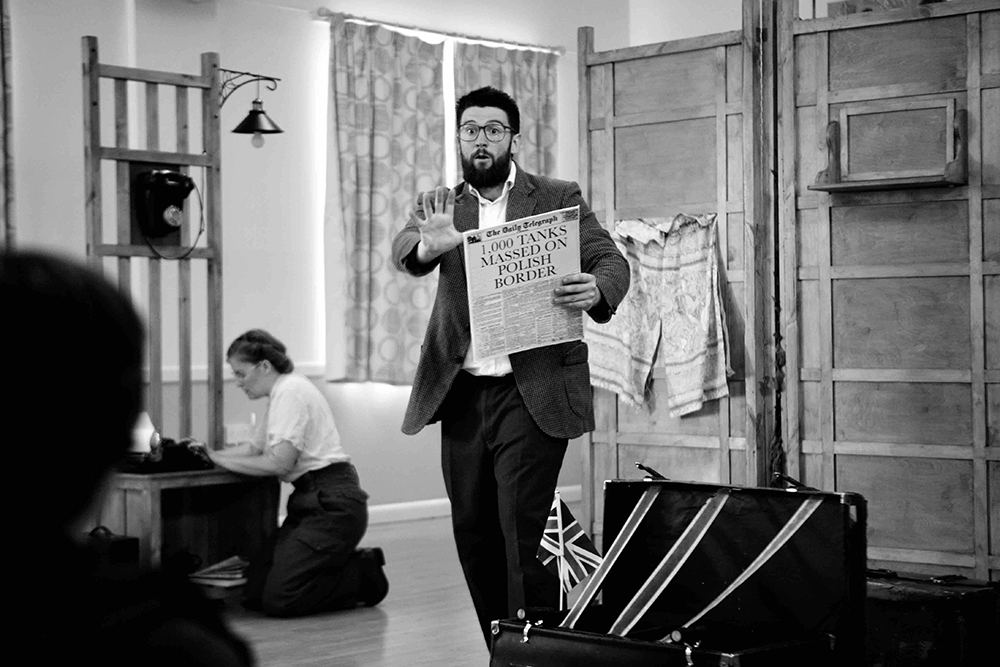
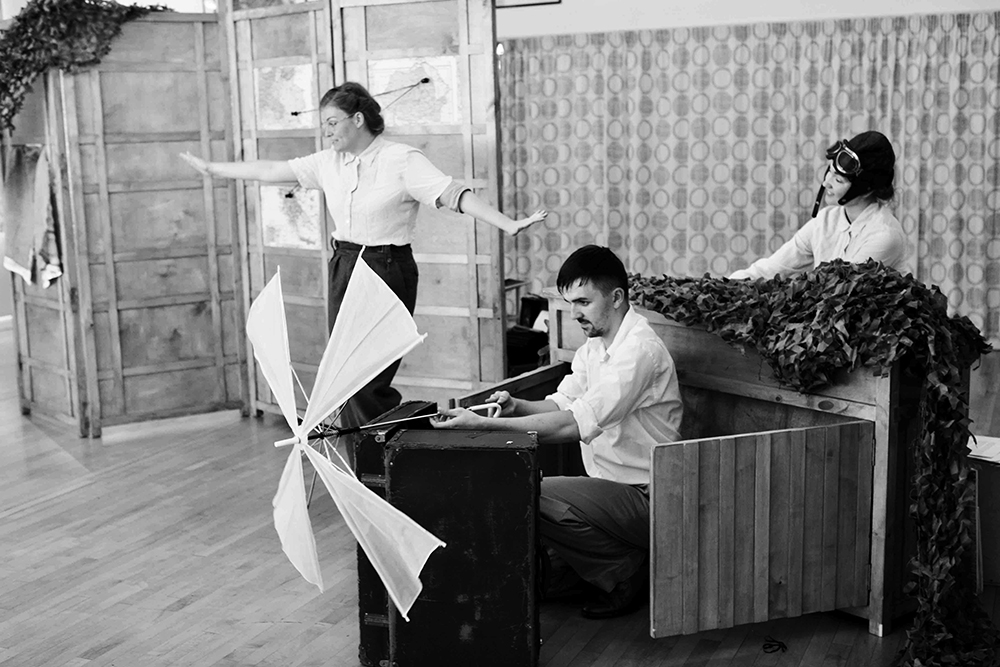
Michael Smith as Arthur Watson, editor of the Daily Telegraph, prepares Clare’s big scoop for print. In the background, Katy Dash plays Clare Michael Smith as Arthur Watson, editor of the Daily Telegraph, prepares Clare’s big scoop for print. In the background, Katy Dash plays Clare

Clare Hollingworth and the Scoop of the Century was written around the famous moment in August 1939 when a young Clare witnessed German forces gathered on the border with Poland.

Clare, a longtime member of the FCC, died in 2017 at the age of 105. She had a remarkable career that took her to some of the most dangerous war zones in the world. In 1982 she was appointed an Order of the British Empire (OBE) by the UK’s Queen Elizabeth II for “services to journalism”.

The interactive show, by the Paddleboat Theatre Company, is bursting with storytelling, songs and, of course, a retelling of the Scoop of the Century, in which Clare told the world – through her report in the Daily Telegraph in London – of the start of World War Two.

Clare (Katy Dash, arms outstretched) with actors Stuart Cottrell and Hattie Brown Clare (Katy Dash, arms outstretched) with actors Stuart Cottrell and Hattie Brown

Michael Smith, the company’s tour manager, plays the Telegraph’s editor Arthur Watson and tells the audience:

“1,000 tanks massed on the Polish Border,

I knew she was good when we employed her.

She followed her nose to the heart of the mystery

And Clare, what you’ve found, it might just change history

Only time will tell us what is in store,

Whether this news means we’re going to war,

But in homes and in pubs, in crowds and in queues,

People will be discussing this front page news!”

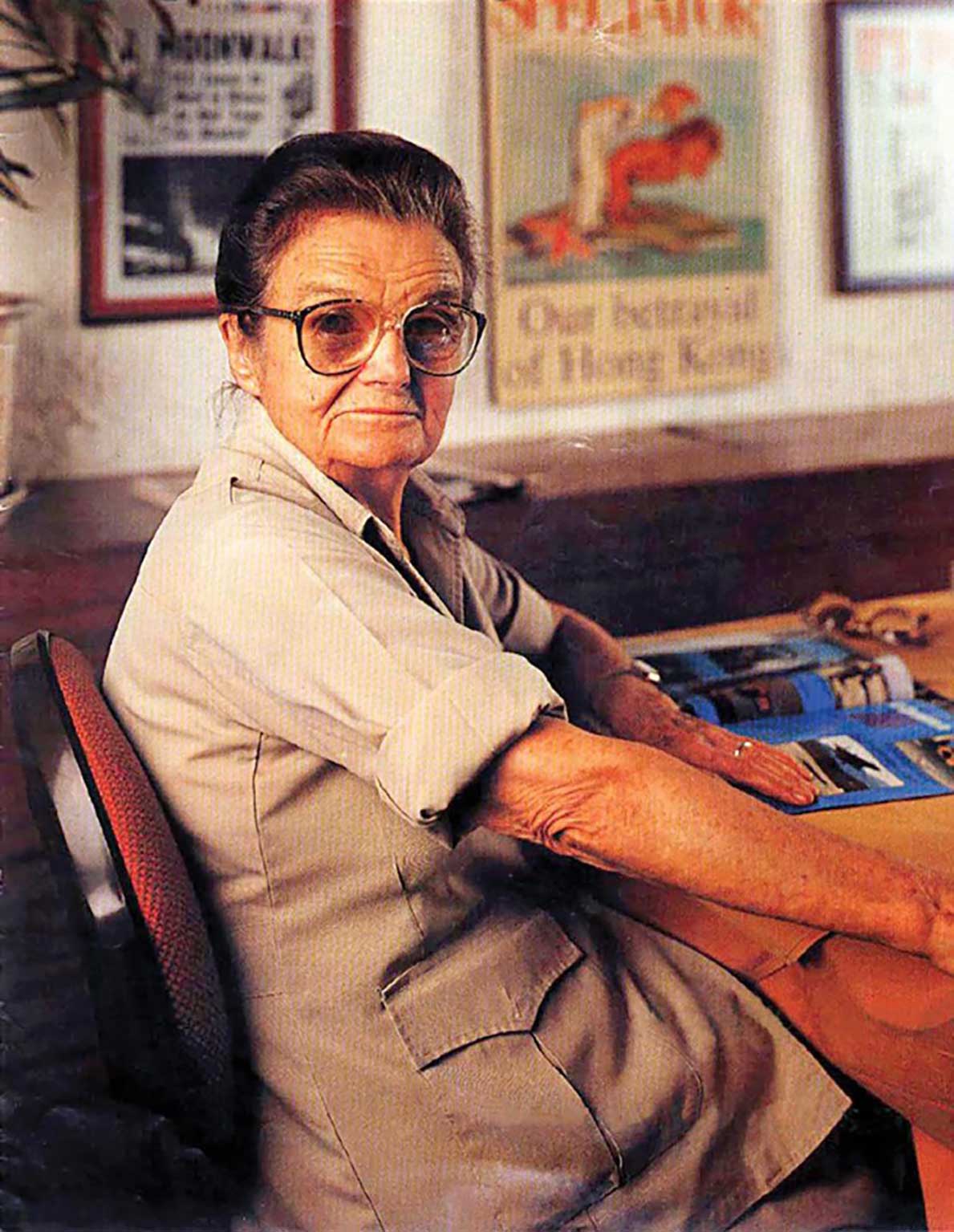
Clare Hollingworth in her favourite chair at the FCC Clare Hollingworth in her favourite chair at the FCC

Michael, who expects the show to be revived next year by popular demand, said: “It’s lovely to hear that word of our show has reached the Foreign Correspondents’ Club in Hong Kong. Sadly we only heard about Clare’s life through her obituary, but found it to be such an amazing story, and one we couldn’t believe we hadn’t heard before.

“This show has been the culmination of two years’ work across 16 primary schools around Devon, finding out what WW2 means to children all these years later, how the role of women in the workplace has changed, and what it means to be a journalist.

“In a number of schools there is now a local mantra of #BeMoreClare, which we love. We’ve also been capturing feedback forms from our tour and it warms our hearts every time we see another one that reads: “Now I want to be a journalist!”

In its publicity material, Paddleboat describes Clare as “one of the most important writers of our time”, adding: “We chose to create a play about her and her big scoop to inspire children to follow their dreams and be who they want to be, and to educate adults and children alike about her incredible career.”

In partnership with Villages in Action, Paddleboat also secured backing from the Arts Council of England, the Lottery Fund and the Heritage Fund.

Australia looks to new rules in media struggle against political bias and digital disruption

Australia suffered a slight slip down the World Press Freedom Index in 2019, largely because its media ownership is concentrated in so few hands. Sian Powell explains why.

Front page of every newspaper across Australia was blacked out on October 21 as part of a protest against media restrictions The front page of every newspaper across Australia was blacked out on October 21 as part of a protest against media restrictions

Fears of eroding press freedom have gripped Australian media, most recently hammered home by a respected senior journalist warning of an “unacceptable step down the road to authoritarianism”.

ABC veteran Kerry O’Brien said in his speech at the prestigious Walkley awards event in November that Australia’s government, led by prime minister Scott Morrison, had resisted appeals for freedom of the press protections to be enshrined in law. Meanwhile, “the spirit of freedom of information laws, if not the letter, is being abused and there are more allegations of corruption being investigated officially than ever before”.

O’Brien’s call to arms followed a concerted Your Right to Know campaign by Australian media outlets, which featured blacked-out front pages and websites across the country.

Australian Federal Police raids on journalists in early 2019 had sharpened concern that a range of laws introduced over the past 20 years had cut into the media’s ability to hold the Australian government and powerful industry figures to account.

At the same time, government funding for the national public broadcaster, the Australian Broadcasting Corporation, has been cut to the bone under successive conservative governments and there is an increasing belief that “public good” journalism, particularly investigative journalism, court and local government reporting, will need public funding to continue to function adequately.

Australia slipped two places in the World Press Freedom Index last year, to rank 21st; behind Surinam, Uruguay, Estonia, Costa Rica, and Jamaica, as well as the usual Scandinavian suspects. New Zealand, by contrast, was seventh. Britain was 33rd and the U.S., 48th.

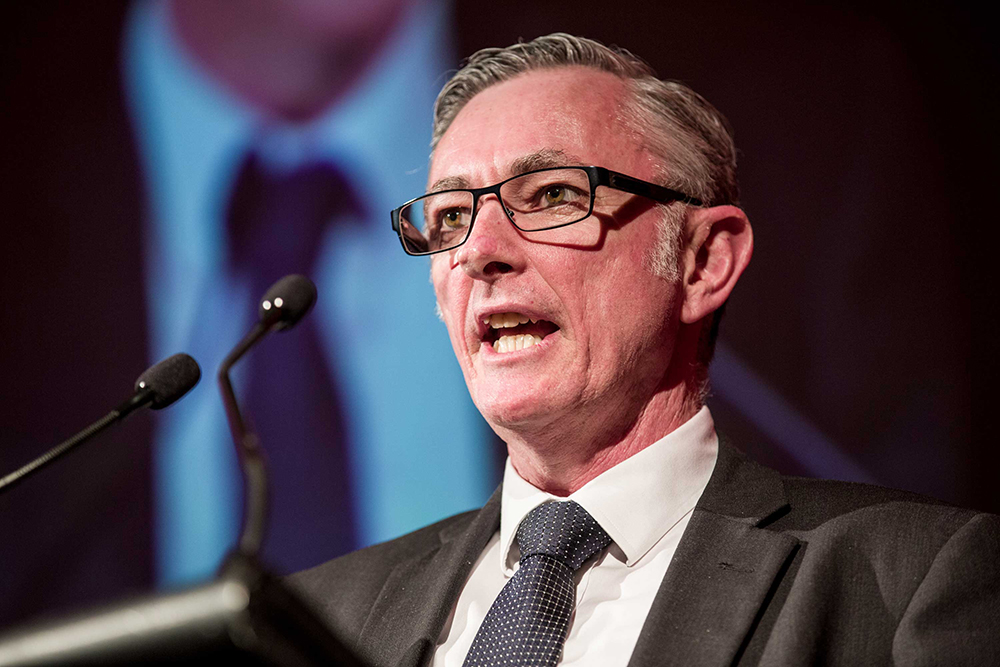
Kerry O’Brien Kerry O’Brien

“Australia has good public media but the concentration of media ownership is one of the highest in the world”, Reporters Without Borders concluded. “It became even more concentrated in July 2018, when Nine Entertainment took over the Fairfax media group.”

The Nine-Fairfax merger, enabled by loosened media diversity laws, resulted in a dominant media conglomerate with television, print, radio and digital interests, and the merger has not always been happy.

In early September 2019, Nine, a once supremely successful television network, held a $10,000-a-head Liberal party fund-raiser, a move which infuriated print journalists working for the conglomerate’s top-line daily metropolitan newspapers, The Age and The Sydney Morning Herald, formerly Fairfax mastheads.

According to insiders, these newspapers have worked hard to maintain their impartiality and independence and to be seen as unbiased observers and reporters. Making money for the government doesn’t sit well with that aim.

Paul Murphy, chief executive of Australia’s main journalism union the Media, Entertainment and Arts Alliance (the MEAA), says the Nine-Fairfax merger has been a loss for the Australian media consumer, and indirectly, for the Australian public at large.

“There is no question that the Nine takeover of Fairfax will reduce diversity in Australia’s media, which is already one of the most concentrated in the democratic world”, he says.

“Such concentration threatens the long-standing editorial independence of the former Fairfax newspapers. Mergers often mean cutbacks, redundancies and fewer resources, which in turn leads to a lack of proper scrutiny and investigation of the powerful.” News Ltd, another major player in the Australian media market, publishes metropolitan and regional papers, owns magazines and digital media and has subscription television interests. Between them, Nine and News Ltd call many of the shots in Australian conservative politics, media-watchers say, and they both openly favour the governing Liberal-National conservative coalition.

This increasing concentration and bias of media interests is of concern, but it pales in comparison with the sector-wide upheaval prompted by digital and social media. The 2019 Digital News Report found that more than four in 10 Australians now use online sources as their primary source of news, and many turn to Facebook or Google as a primary news provider.

Yet these global behemoths – social media, or online search tools or content aggregators – are, of course, not Australian, and regulating their content is fraught with difficulties.

About 25 million people live in Australia, and every month about 19.2 million Australians use Google Search, 17.3 million open Facebook, 17.6 million watch YouTube (which is owned by Google) and 11.2 million look at Instagram (which is owned by Facebook). Newspaper publishers and radio and television programmers can only dream about such numbers.

Paul Murphy Paul Murphy

Meanwhile the “rivers of gold”, the classified advertisements that once paid the salaries of Australian newspaper journalists and funded a thriving newspaper industry, have been diverted to online media, including social media, and the print and radio and television sectors continue to suffer.

Terry Flew, Professor of Communication and Creative Industries at the Queensland University of Technology, says there is a role for third-party oversight of the digital platforms, in the body of a government regulatory agency.

Problems arise with the definitions of what those digital platforms actually are.

“To what extent are digital platforms (such as Google and Facebook) media businesses, and to what extent are they not media businesses, and what does that mean for how we reconfigure media and communications policy?” he asks.

Most people who work in the traditional media, Flew says, would describe the platforms as media businesses, and most would see them eroding the foundation of their careers. There’s no doubt these platforms have won over advertisers, who appreciate the flow of information about consumers.

“It’s very hard to offer a better product to advertisers, because of the way digital data from multiple sources feed back into behavioural expectations around users, and feed back into ‘bang for the buck’ for advertisers,” Flew points out.

The Australian Competition and Consumer Commission handed down its final report on digital platforms last July, and recommended among many other things, an overarching set of regulations; in other words a replacement for the current system whereby different rules apply to print, television and online.

Sian Powell has been at various times a reporter, an editor, an opinion writer and a leader writer for titles including The Times, The Australian, The South China Morning Post, and The Sydney Morning Herald. Recently returned to Hong Kong, she is now looking for work here.

Bangladeshi photojournalist Shahidul Alam on jail, torture, and why he won’t stay silent

Shahidul Alam is a Bangladeshi photojournalist and activist whose criticism of his government landed him in jail in 2018. But that hasn’t silenced him, as Rob Gerhardt discovered when he caught up with him in New York.

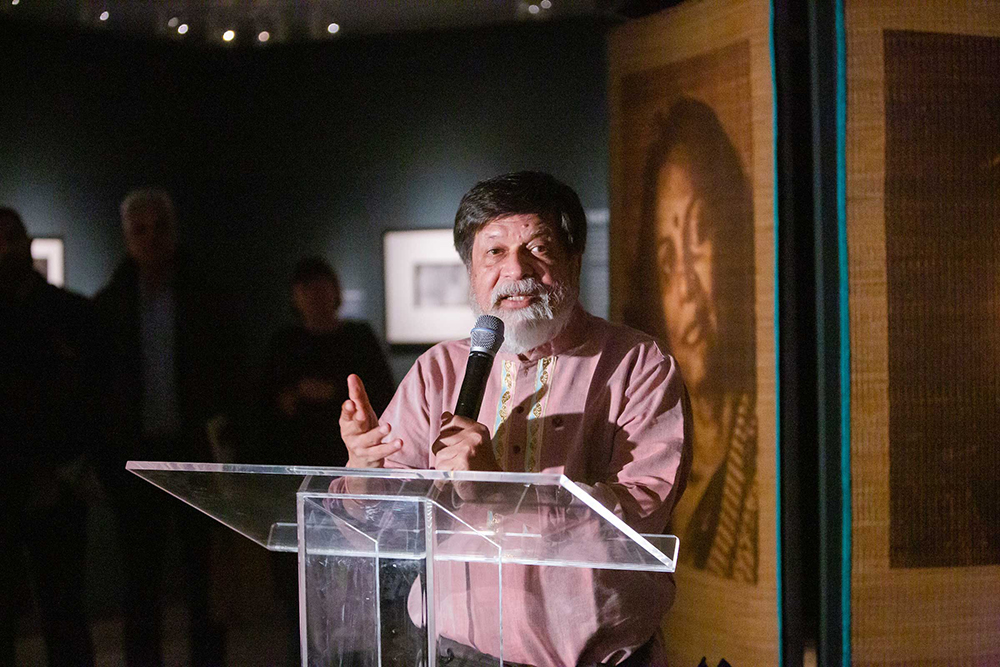
Shahidul Alam speaks at the opening of his show, Truth to Power, at the Rubin Museum of Art Shahidul Alam speaks at the opening of his show, Truth to Power, at the Rubin Museum of Art

Photojournalist Shahidul Alam sits in a lecture hall at the Columbia University School of Journalism in New York, a long, long way from the Bangladeshi prison where he was jailed for 107 days in 2018.

His time in prison and the torture that he endured haven’t slowed the activist down or taken the ever-present smile from his face. But Alam still faces the possibility of a 14-year prison sentence in Bangladesh after an interview with Al-Jazeera in which he criticized the government for its violent response to road safety protests.

He was let out of prison on bail after an international backlash, but the case is still winding its way through the judicial system. The High Court in Bangladesh issued a stay on the police investigation until Alam’s petition to the High Court is concluded. When we met, he was confident the case would be dropped at a court hearing scheduled for December 18.

But the Bangladeshi court did not respond to his case on that date, and made no statement about it. Sofia Karim, his niece, told me afterwards that she thinks this is the government’s attempt to keep the case dragging on – and hanging over him. She felt it also allows the government to keep pressure on Alam without admitting that they don’t have a case against him. So, as we went to press, things remained in a state of limbo, without even a future court date.

Students protest in Dhaka, August 2018 Students protest in Dhaka, August 2018

Alam’s visit to New York coincided with the first major exhibition of his work in the U.S., at the Rubin Museum of Art. Titled Truth to Power, it follows the publication of his new book, The Tide Will Turn (published by Steidl).

The book is in four parts; the preface and first section, Keranigani Jail, tell the story of Alam’s arrest, his time in prison, and the work done by those both named and unnamed who worked to get him out. Sections called Art, Politics and Letters follow.

The book reads like a memoir, interspersed with sections of photographs from all stages of his career. The text and photographs are tied together through telling the stories of the people involved, whether they are in the frame or not.

Singer and performer Smriti Azad at a rally at Central Shahid Minar in Dhaka, 1994 Singer and performer Smriti Azad at a rally at Central Shahid Minar in Dhaka, 1994

Alam’s photographs work not just to inform the viewer, but to raise awareness of the stories he covers. Whether it is poverty, refugees or the disappeared, the formal labels of art, activism or journalism are separated only loosely.

“I will show where I can, as I can, as effectively as I can, to bring about the changes my work is aimed at bringing about,” he told me. “One of my most successful exhibits, Crossfire, has been shown on museum walls, galleries specializing in photojournalism, art festivals, and hung on trees and pasted on public walls.”

At his talk at Columbia and running throughout The Tide Will Turn is this intersection between journalism and activism, and his belief that you can walk the line between them without sacrificing journalistic ethics to try and drive change.

Famous image of the Rana Plaza garment factory collapse in Bangladesh by Alam’s former student Taslima Akhter Famous image of the Rana Plaza garment factory collapse in Bangladesh by Alam’s former
student Taslima Akhter

“As a journalist I insist on being fair and accurate. That is also what I adhere to as an activist. However, while as a journalist my primary motive is to inform, as an activist I want to stimulate change in behaviour. These motives can co-exist.”

This decision always to be truthful to the story while bringing change is the heart of Alam’s work, and the power behind it. Working within journalistic standards makes his work hard to refute.

Those who don’t agree with what he is saying try to silence him, most noticeably by hacking or shutting down his social media, as happened the morning of his opening at the Rubin Museum. But Alam continues to speak out and tell the stories that others want silenced.

“I want my work to have impact and I will use any method that works. I will sing and dance if I have to, but at the end, I will make sure that the audience cannot walk away unmoved.”

Rob Gerhardt is an absent Club member and a freelance photographer based in New York

Revealed: Why the FCC’s Indian food is SO good

Casey Quackenbush met up with Indian head chef Pardeep Kumar Ray to find out.

To the unseasoned vegetarian, a plant-dominant diet can seem perplexing. Preconceptions of hunger and protein-deficiency quickly set in, and the furrowed brow says it all: But what do you eat?

Luckily for veggie-friendly eaters at the FCC, there’s no shortage of vegetarian options with head Indian chef Pardeep Kumar Ray around. The Punjabi-born cook started at the FCC in 2000 when the club didn’t even have an Indian kitchen and has played a major role in building the Club’s renowned reputation for its Indian cuisine.

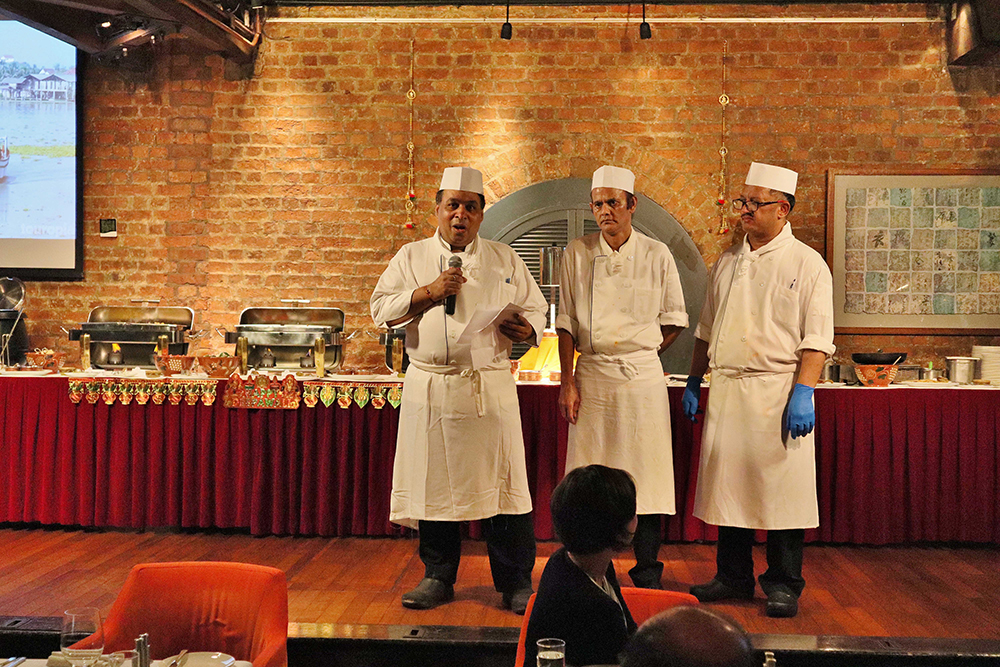
Chef Pardeep speaks at the FCC’s Diwali celebration in October Chef Pardeep speaks at the FCC’s Diwali celebration in October

Now, as meat-consciousness grows, Chef Pardeep is helping to transform the menu once again by incorporating more vegetarian dishes. Chef Pardeep isn’t a vegan — he enjoys his bedtime turmeric milk too much — but he’s a big fan of the club’s chickpea spinach and he dabbles in vegetarianism now that he cooks it so much.

As a chef who started cooking at age 14 and has worked in kitchens all over India and Hong Kong, Chef Pardeep brings plenty of flair, authenticity, and variety to the FCC’s Indian menu, especially for vegetarians. In honour of Veganuary, Chef Pardeep here shares some veggie recipes, the secrets to his curry, and traces the history of the club’s famous cuisine.

How did the FCC get its reputation for its Indian food?

The people here are very powerful you know, it’s a media club! We take care of all the food, hygiene, everything [in the Indian kitchen]. Every year we have to change the menu, sometimes the barbecue dishes, some curry items also. This year we started Beyond Meat (the plant-based meat substitute). Every year we change something.

How long did it take for the Indian kitchen to take off?

I started in 2000. Three months after, it was crazy good. People loved the food. When I started the first day, I had 70 portions of curry. Some people tell me my curry is a little bit thin. I said, “Okay, I do my style okay?” Next day I do my own style and, oh my god, it was crazy good. Every day, 100, 150, nearly 200 orders. Now, with the protests, a little bit less.

Where did you learn to cook Indian food?

In India, from Kashmir to Punjab, working, in small, small places. We know south Indian food, Punjabi food, Sindhi food, Nepali food, and Pakistani food.

What’s your favourite Indian cuisine?

Punjabi.

What’s your favourite dish?

Chicken tikka makhani. And onion naan.

What’s the best vegetarian dish at the FCC?

Chickpea spinach. This is very healthy for you. We cook with spinach so it’s more healthy. People care about that, people are healthy. Next maybe we’ll start some new buffet. Always change the food. There’s not just one thing we do here.

Have you ever tried to be a vegetarian?

Now, after cooking it, I start eating like a vegetarian, because my belly is too big!

What’s your favourite alternative to meat?

Punjabi paneer.

When did you first start to cook?

When my mother was getting fat, she didn’t want to make anything! So slowly, slowly I started cooking — egg, chapati — and after that, I loved the kitchen.

What’s the secret ingredient for your curry?

I make a whole spicy blend. That aroma is very good for you. Like cinnamon stick, cloves — very good for the health.

Why did you pick these two recipes to share with us?

Aloo gobi is like homemade food. And my mother made a very good palak paneer. The aroma is very good.

What do you hope to bring to the FCC’s menu?

I always want to bring something new. I don’t like to do the same stuff every day. I always want to change. Change is very good for life you know! I believe in surprises. I don’t want people just coming here and seeing the same old food. There must always be change in life.

Chef Pardeep’s recipes to try at home

PALAK PANEER (Vegetarian)

Palak Paneer Palak Paneer

With thanks to Chef Pardeep’s mother

To serve four people

Ingredients

1kg Spinach, pureed

400g Paneer

400g Onion

20g Green chillies

10g Red chilli powder

200g Tomatoes, pureed

100g Amul butter (ghee)

8g Garam masala

4g Cumin seeds

4g White pepper

20g Turmeric

20g Coriander powder

2g Methi (fenugreek)

10g Ginger (crushed)

10g Garlic (crushed)

100g Oil (ghee, sunflower etc)

Heavy cream (whipping cream) to flavour

Method

Add the Amul butter (or ghee) to a skillet over a medium heat. Keep back just over two tbsp of the butter/ghee for later.

Add cumin seeds and stir until the seeds start to darken and smell fragrant (10 to 20 seconds).

Add the green chillies, onion and half a teaspoon of salt, and cook until the onion is dark brown and soft (approx. 10 minutes).

Add the ginger, garlic, turmeric and methi, coriander powder, red chilli powder, white pepper and 1/2g garam masala. Stir for approx. two minutes, then add the pureed tomatoes, stirring occasionally until the mixture starts to look dry (approx. 6 minutes).

Add the pureed spinach, a cup of water and the remaining garam masala (the mixture will become thick).

Simmer for 8 minutes, then stir in some cream and the remaining two tbsp ghee.

Add the paneer cubes and cook until the paneer is warm, finish with some cream as thickening and add a few drops of Amul butter or ghee before serving.

ALOO GOBI (Vegan)

Aloo Gobi Aloo Gobi

To serve four people

Ingredients

400g Potatoes

400g Cauliflower florets

200g Onion

8g Red chillies

20g Green chillies

4 Garlic cloves, crushed

5g Ginger, ground

4g Garam masala

200g Tomatoes

20g Turmeric powder

20g Cumin powder

4g Cumin seeds

20g Methi (fenugreek)

4g Coriander seeds

100g Oil (ghee, sunflower etc)

Coriander to garnish

Method

Pour the oil into a medium-hot skillet and add the cumin seeds. Stir until the seeds start to darken and smell fragrant (10-20 seconds).

Add the chillies, garlic, and ginger. Cook for approx. one minute then add onions and cook until onions are brown and soft.

Add the garam masala and turmeric and cook until brown for approx. one minute more.

Add the potatoes, cauliflower and all other ingredients, seasoning with salt and pepper.

Turn down the heat, cover with a lid, and cook until the potatoes and cauliflower are tender.

Garnish with coriander.


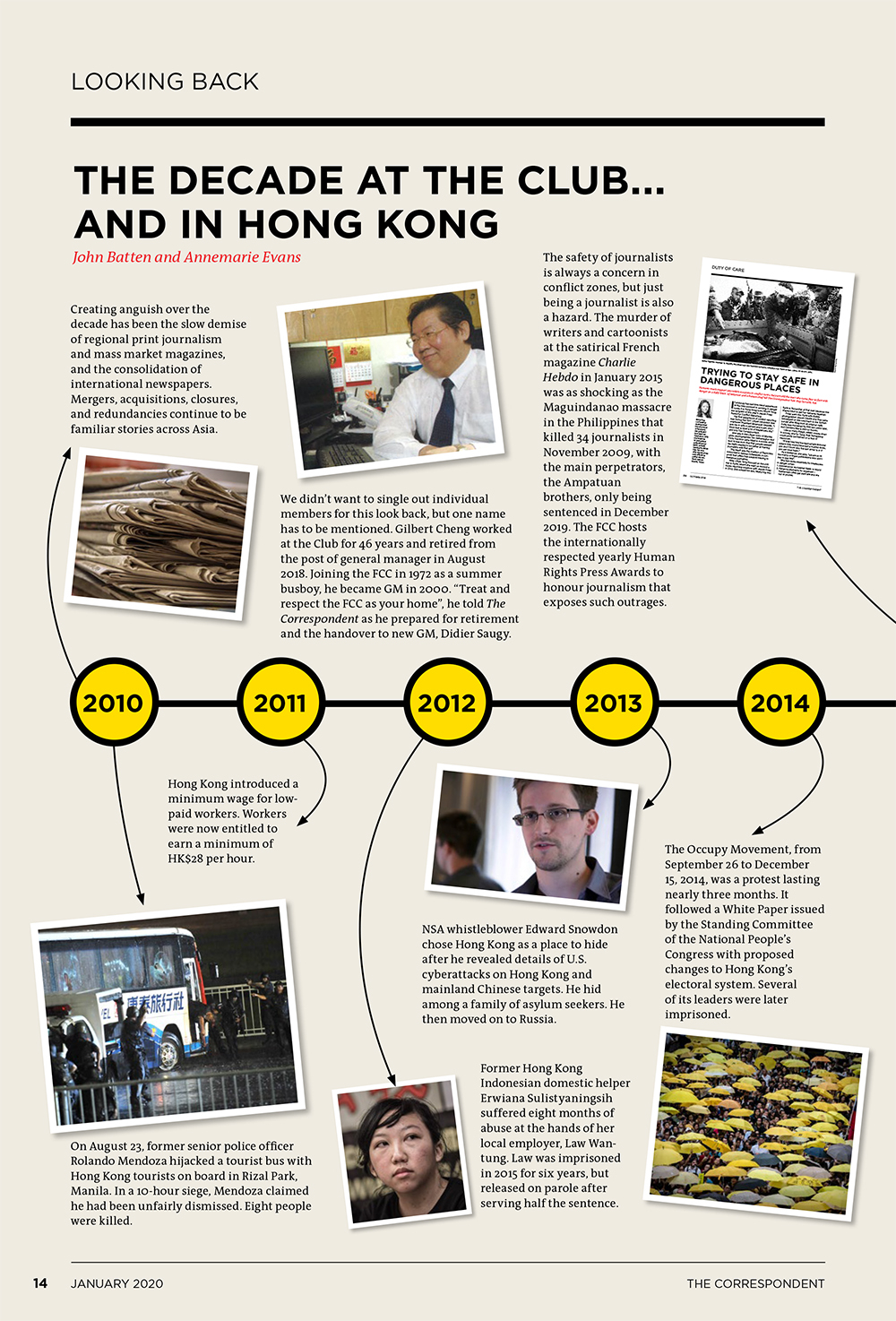
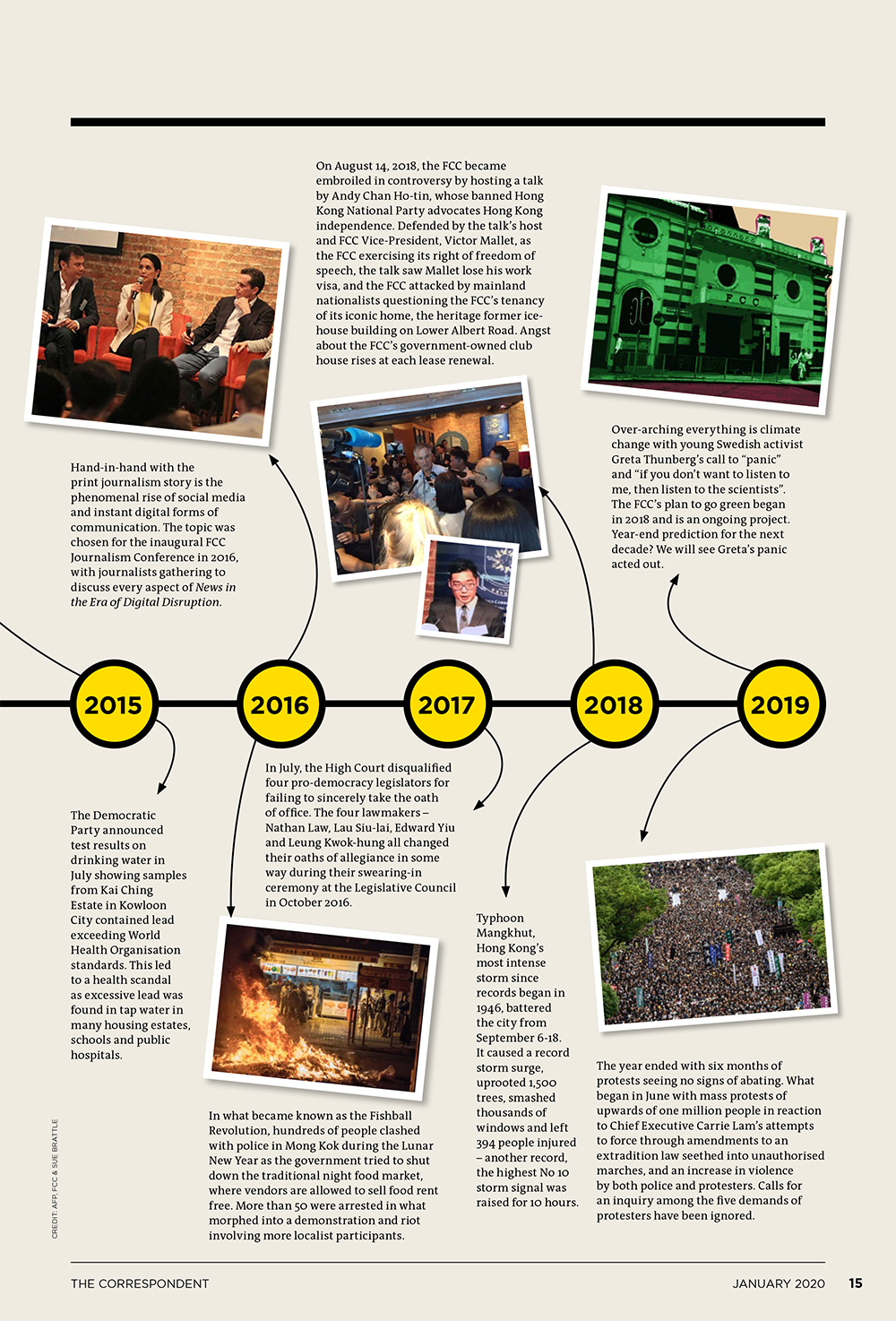
Looking back over the last decade at the FCC – and in Hong Kong

As the new decade gets under way, The Correspondent looks back at events inside and outside of the club over the last 10 years.

Macau looks for a delicate balance rather than a roll of the dice

Macau, ‘poster child’ of the One Country Two Systems policy, celebrated the 20th anniversary of its handover to China last month. José Carlos Matias reflects on the ‘fragile but hopefully resilient’ city.

The 20th anniversary of Macau’s handover from Portugal to China came at a critical juncture for China, at the end of a challenging year for Beijing due to the seemingly never-ending crisis in Hong Kong and against the backdrop of the U.S.-China trade war.

For the Central Government and for the local Macau SAR Government it was high time to affirm the success story of the implementation of the One Country Two Systems (OCTS) policy in the former Portuguese colony. Macau is lauded as the “poster child” of OCTS.

The contrast with Hong Kong is conspicuous. In his speeches during the three-day visit starting December 18, President Xi Jinping highlighted the local residents’ respect and embrace of patriotism and the huge economic progress that was achieved since 1999, thanks to the full support of Beijing.

China’s President Xi Jinping speaks during his visit to Macau as part of its 20th anniversary handover celebrations China’s President Xi Jinping speaks during his visit to Macau as part of its 20th anniversary handover celebrations

In fact, Macau has experienced staggering growth and development that few could have anticipated. The city’s gross domestic product skyrocketed, posting an eight-fold increase, while the unemployment rate declined from 6.2 per cent to just 1.8 per cent and the average monthly income of citizens more than tripled.

The opening of the first post-monopoly foreign-owned casinos – Sands in 2004 – was the game and gambling changer, transforming the city’s urban landscape and socioeconomic dynamics.

In 2002 Macau approved the new gaming law, paving the way for the opening up of the casino industry; in 2003 the Central Government launched the Forum for Economic and Trade Cooperation between China and the Portuguese-Speaking Countries, with the headquarters in Macau; and in 2009 the local Legislative Assembly gave the green light to the national security law, fulfilling what is spelled out in Article 23 of the Basic Law.

In sharp contrast with Hong Kong, where the attempt to enact a national security act ignited large-scale protests [in 2003] that not only defeated the bill but ultimately led to the demise of the Tung Chee-hwa administration, in Macau the bill was approved without significant opposition; it in fact had wide support among local social and political groups.

What we have witnessed over the past seven months in Hong Kong could not be more telling about the divergent paths followed by the two cities. There was not a single rally or assembly in support of the Hong Kong movement here, as there is a broad sense of belonging to the People’s Republic of China. This is explained by significant improvement in the people’s livelihood and public security coupled with historical, sociological and demographic factors.

José Carlos Matias is a Macau-based José Carlos Matias is a Macau-based journalist and researcher. He currently serves as president of the Board of Directors of the Macau Portuguese and English Press Association.

However, another reason stands out: authorities rejected three bids for assemblies and rallies in condemnation of police violence in Hong Kong. Civil rights groups and some lawyers denounced the decisions as unfounded restrictions to freedom of assembly and freedom of expression, enshrined in the Macau Basic Law.

The situation in Hong Kong is starting to impact Macau’s economy; visitor arrivals saw an 11 per cent decline in November, the first year-on-year decrease of 2019.

As Macau enters the third decade of the 50-year special period, the city’s stability and prosperity seem sound and solid. Still, a number of challenges loom. The most noticeable one regards the SAR’s dependence on the gaming industry, which accounts for more than 80 per cent of public revenue. The much-needed diversification is yet to take off. There have been hints that new financial services will be launched alongside other moves to bring the development of Hengqin Island more in line with Macau’s to meet the aim of turning Macau into a world tourism and leisure centre.

The development of the business and cultural platform with Portuguese-speaking countries is taking shape but it is still far from being fully utilized. In the meantime, Macau’s participation in the Greater Bay Area plan is regarded as a key path to bring about a more sustainable and diversified economic model.

However, the goals may not be attainable without improved governance and a more efficient government. At the same time, it is necessary to tackle the side effects of the gaming boom such as income inequality, unaffordable housing or human resources shortages.

While moving forward Macau also needs to strike a delicate and crucial balance between the benefits of regional integration and the risks attached to it, namely in terms of autonomy, as the rule of law, local culture, individual freedoms and way of life are, in some ways, increasingly under pressure.

The city’s distinctive features are priceless but also fragile, like porcelain, and hopefully resilient like a lotus flower (the city’s symbol) with its roots based in mud, submerged at night but re-emerging every morning without residue on its petals.

The author is a Macau-based journalist and researcher. He currently serves as president of the Board of Directors of the Macau Portuguese and English Press Association.

MODEL OF STABILITY WAS ONCE IN THE VORTEX OF VIOLENCE

Keith B. Richburg

These days Chinese officials from Beijing are fond of holding up Macau as a role model for stability, compared to Hong Kong which has been wracked by more than six months of unrest.

But in the late 1990s, as the two territories were separately preparing to revert to Chinese control, Hong Kong was largely peaceful, the only rancour being the political and legal debates about the makeup of the Legislative Council and future direct elections.

In Macau, there was literally blood in the streets.

In 1997, just before Hong Kong’s handover, at least 14 people were killed in Macau as the notorious 14K triad and the rival Shui Fong, or Water Room triad, battled for control of the lucrative gambling industry. One of the more sensational attacks was the May 4 ambush slaying of three 14K members gunned down in their car on one of Macau’s busiest commercial streets. Among the victims was the righthand man of 14K’s leader, Wan “Broken Tooth” Kuok-koi.

In an earlier brazen assault, gambling kingpin Lam Pui-chang was killed with three bullets to the stomach close to the Hyatt Regency Hotel. In a horrific attack meant to maim and not kill, 11 teenagers were slashed with knives in a video game parlour in a dispute over protection payments.

Portuguese officials trying to control the chaos became targets. The chief gambling inspector was gunned down during lunch. In 1998, a bomb was placed under the car of Portuguese police chief Antonio Marques Baptista, known as “Rambo,” who was saved by his dog who sniffed out the device before his car exploded.

On a single day in May 1998, two dozen firebombs exploded across Macau in retaliation for “Broken Tooth” Koi’s arrest. He was convicted in 1999 and spent 13-plus years in prison. He’s now out hawking cryptocurrency and investing in Cambodia.

Chinese rule and the internationalisation of the casino business has largely sidelined the Macau triads. Chinese officials now look at Hong Kong and decry the violence and unrest, compared to staid and stable Macau. But 20 years ago, the situations were reversed.

As the Hong Kong Standard wrote in a 1997 editorial: “The once sleepy hollow of Macau is waking up. To the sound of gunfire.”


We measure site performance with cookies to improve performance.