Members Area Logout

Journalist visas: Reporting on a country that won’t let you in

The Maldives has suffered a turbulent year, with a state of emergency, protests on the streets of the capital, and a hotly-contested presidential election. Riazat Butt, former Editor-in-Chief at the Maldives Independent, spent 11 months working ‘under the radar’ from hotel rooms outside the country after her work visa was refused.

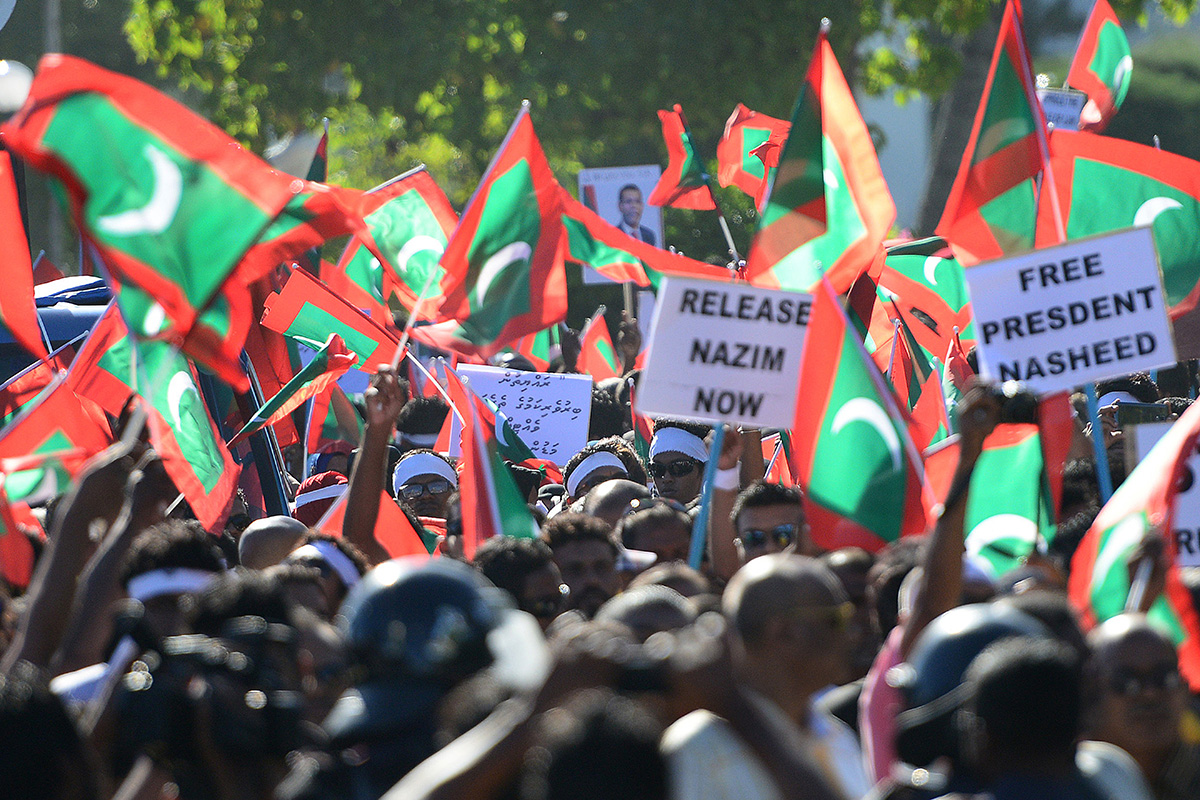
Supporters of former Maldives President Mohamed Nasheed gather for a mass rally Supporters of former Maldives President Mohamed Nasheed gather for a mass rally. Photo: AFP / ADAM SIREII (Photo by ADAM SIREII / AFP)

Sometime in the afternoon of September 24, 2018, I learned that Abdulla Yameen had conceded defeat in the Maldives presidential election. I updated the Maldives Independent live blog. Then I cried. I was in a Sri Lanka hotel room and had been awake for almost two days, working through a cyber-attack lasting almost as long, to keep publishing news about an election that could lead the country towards a dictatorship or return it to democracy.

After 12 months, 11 of them not in the Maldives because my visa application was rejected, my time as editor-in-chief was over. The election result indicated a brighter future for press freedom, and gave me a chance to return to the country. But I had little desire to work there again.

I had dealt with blackmail, extortion, suspicions of money laundering, a state of emergency, funding crises, cyber-attacks, isolation and insecurity, in addition to my everyday responsibilities. I deserved a cry, I told myself.

But whatever I did attracted attention because I was female, alone and clearly not Maldivian.

I initially entered the Maldives on a 30-day tourist visa, staying with someone’s relatives to avoid putting my name on a hotel or apartment booking. My SIM was registered to someone else. I met nobody outside the workplace, bar two trusted contacts, while I was in the Maldives. My route to and from work changed every few days because newsrooms were under such scrutiny. I dressed modestly, even slipping on an abaya to cover my gym kit of t-shirt and leggings.

But whatever I did attracted attention because I was female, alone and clearly not Maldivian. The daily street harassment, noise, pollution, heat and crowds of the capital Malé, were so intense I was relieved about heading to Colombo for a short business trip.

The visa application was submitted in my absence and authorities had all the documents specified in immigration rules. The rejection came a few weeks later. It shocked me. At no stage of the recruitment process had I been warned that I might be unsuccessful, that I might have to work remotely. No reason was given for the refusal.

I had been so sure about getting a visa I had left most of my things in the Maldives. But my name had been flagged, according to a police source, and I risked being deported on arrival if I tried to get in again.

I considered marrying a Maldivian to get a visa. A reporter volunteered, but wanted a pay bump to match. I told him we didn’t have that kind of money.

I resisted calls to appeal the rejection because there was nothing to be gained by drawing attention to myself or the website. Also, as one senior NGO figure put it, it was the Maldives’ sovereign prerogative to grant or deny visas. I was not entitled to one simply because I was a journalist, I thought.

Besides, I didn’t want to become the story and there was work to be done: exposing wrongdoing, holding power to account and tackling under-reported issues.

But I didn’t know how to run a newsroom, let alone do it from thousands of miles away, and had no idea where I was supposed to go for the rest of my contract.

I flitted around Asia and even Europe, leading the team from different time zones, directing our coverage and setting the agenda.

I was pushy, single-minded and vocal as I bashed reporters into shape and sent them out on assignment. Messages pinged back and forth about who was doing what, why, how, where and when.

We ran stories on subjects considered taboo in the conservative and autocratic country – the perils of removing the hijab, recreational drug use, mental health, election rigging, unsolved murders, sexual harassment, sexual abuse – and exposed government lies about loans, statistics and development projects. Reporters revealed environmental destruction on islands, and the rifts in the opposition alliance and the trials of being a court reporter in the Maldives.

I often worked up to 12 hours a day, six or seven days a week, and kept hearing how brilliantly I was doing and how fantastic the website looked. I was proud we were the only news website in the Maldives to come under attack during the state of emergency, although I hated not being able to publish.

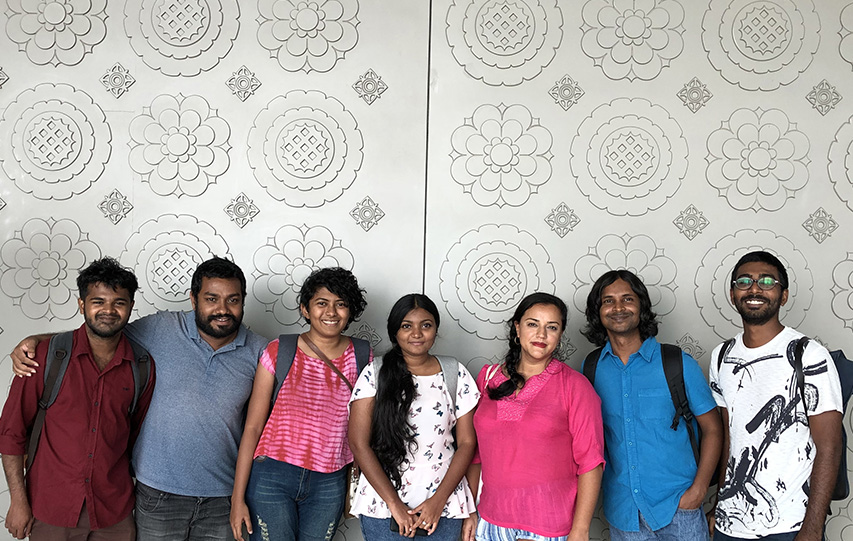
Editor-in-Chief Riazat Butt during a rare meeting with her team in Colombo. Editor-in-Chief Riazat Butt during a rare meeting with her team in Colombo.

I wasn’t just working remotely, I was under the radar. There were no media appearances. There was no byline for me at the Maldives Independent and I never wrote for anyone else. I had no LinkedIn profile. Sure I tweeted about the Maldives, but I also tweeted about puppies and Brexit.

But among the successes there was frustration and exhaustion: attempting to explain what needed to be done and why — all day, every day, to reporters – or hearing they had no ideas or didn’t know what questions to ask when calling someone on a story. A lot of energy was spent getting the reporters to do the basics. The team was young and mostly inexperienced. I normally thrived in adversity but, at times, the scale of the challenge overwhelmed me.

I told people I worked in admin or that I sold stationery as I felt this would be more believable than the truth.

I also felt guilty that I wasn’t in the Maldives with the reporters. I couldn’t mentor them or help them develop. I felt I was letting them down by not being more patient, stronger, more creative and was devastated at my failure to do any of the things I had promised to do when I was hired: build the brand, get more money, hire more people, do video, graphics and interactives.

I met the team twice after my visa was rejected, once in December 2017 and then in August 2018. I didn’t see them after that, not even when I returned to the Maldives as a legitimate tourist for a holiday after I left my job and the new president had taken power.

The Maldives was a huge part of my life for 12 months. It was my life for 12 months. I knew everything about it, but didn’t share this information with other holidaymakers. They didn’t know about the extremism, the corruption, the backstabbing and cronyism, the pitiful transparency and my role in documenting all of it. I told people I worked in admin or that I sold stationery as I felt this would be more believable than the truth.

As the seaplane puttered over the Indian Ocean on my last departure I could name the islands coming into view, the lawmakers who represented them in parliament, the tycoons who owned the swanky resorts fanning across the water.

While this job is one of the most rewarding I’ve had in my career, it has also been one of the most bizarre. I had been reporting on a country I wasn’t allowed into and, when I was allowed in, I was no longer reporting on it.

Riazat Butt has worked at The Guardian, Al Jazeera English and AFP. She has lived in the Gulf, Asia and travelled widely on assignment. She was Editor-in-Chief at the Maldives Independent from September 2017 until October 2018.

POLITICS AND A MISSING JOURNALIST

Last year the Maldives ranked 120 out of 180 in the Reporters Without Borders Press Freedom Index.

Rights groups criticised Abdulla Yameen, who was president from 2013 until 2018, for leading a crackdown on free speech that saw the country slide down the RSF index during his time in office.

An anti-defamation law and pro-government media watchdogs engendered a hostile reporting climate. Journalists said they were forced to practise self-censorship to avoid crippling fines and lawsuits.

Reporters were also threatened, imprisoned, assaulted, even fleeing the country for their safety while Yameen was in power.

Maldives Independent reporter Ahmed Rilwan was abducted in 2014. The two men charged over his disappearance were acquitted last August and Rilwan remains missing.

Background checks, introduced in 2016 after an Al Jazeera exposé of massive state corruption, meant foreign journalists had to submit extensive documentation as part of their visa application, including a medical report, police certificate, two-year travel history, and bank statements.

The Ministry of Home Affairs barred foreigners from being editors of Maldivian news outlets. It also said only degree holders could be editors, but this regulation was later changed after it was pointed out that just several hundred people from the general population were graduates.

Yameen lost the September 2018 presidential election. The anti-defamation law was repealed in November.

The Correspondent, Jan-Mar 2019

Finland may have slipped in press freedom rankings, but all is not lost

Two incidents in recent years have seen Finland slip from first to fourth place in the world rankings for freedom of the press. Here FCC member Hannamiina Tanninen takes a look at this “public disgrace”.

Finnish Prime Minister Juha Sipilä gives a joint press conference with the French President (not in picture) in Helsinki, Finland, on August 30, 2018. Photo: AFP / Ludovic MARIN Finnish Prime Minister Juha Sipilä. Photo: AFP / Ludovic MARIN

For many years, the Republic of Finland was the poster country for press freedom in the world. Every year since 2010 Reporters Without Borders (RFS) ranked Finland as the Number One country in its annual evaluation of press freedom in 180 different countries. However, due to incidents in 2016 involving the Finnish national broadcaster YLE and Prime Minister Juha Sipilä, Finland slipped to third place in the 2017 ranking.

The national broadcaster YLE did not report accurately the ownership structure of a company run by the Prime Minister’s relatives – and the PM put pressure on YLE not to report the connection. The editor-in-chief of YLE denied that the integrity of the reporting was compromised due to pressure from the Prime Minister.

In the aftermath of the story, three senior journalists from YLE resigned citing differences in opinion regarding freedom of speech as one of their reasons. Interestingly, the main reason that caused the drop in the 2017 press freedom index was the reaction from the national board that evaluates press integrity in Finland, rather than the story itself.

A further drop to fourth place followed in the 2018 ranking after police confiscated materials from a journalist who was investigating a Finnish military communications centre.

The independent national board for press integrity consists of experienced journalists and evaluates the integrity of journalism in the country, not the quality of it. The national board does not monitor the press regularly but if an incident regarding integrity is considered a serious one, the board will discuss it.

The board imposed sanctions on YLE for its handling of the incident. Also, the Prime Minister was given a serious warning. This was a very unusual decision since the board does not give such verdicts lightly, especially when they involve people who are not journalists.

For most countries, being ranked as the third or fourth best environment in the world for the press to operate in would be impossible to imagine. In Finland, the drops in the ranking and the incidents leading to them caused a nationwide debate, as press freedom is highly valued in the country. Most media outlets considered the incident a public disgrace, something that would harm the reputation of Finland abroad.

So far it seems that not all is lost regarding press freedom in Finland. When compared to Hong Kong, working from our newsroom in Finland is like the difference between night and day. In Finland, civil servants are easy to reach. They mainly understand the importance of and fulfill the obligation of, providing accurate information to the press. And they usually do so in the most polite and timely manner.

In most cases, politicians do reply to interview requests, at least from the main media outlets. Even from junior journalists like myself. In Finland, if a politician is “not available for comment” it is not regarded as business as usual, but as something suspicious and worth investigating. It also does not take much effort from the journalists to reach politicians in the first place, as they are usually just a phone call away.

Based on the latest polls, the Prime Minister involved in the 2016 incident is set to lose the election and join the ranks of the opposition after the country goes to vote in 2019. It will be interesting to see how many media outlets are willing to report his alternative policy ideas once he no longer holds the office of the number one politician in the country. Number one spot or no, it would seem that the press still holds significant power in Finland.


New media award aims to bring sensitivity to reporting suicides

Mind HK is helping journalists to approach the topic of mental health in a new way. Olivia Parker reports.

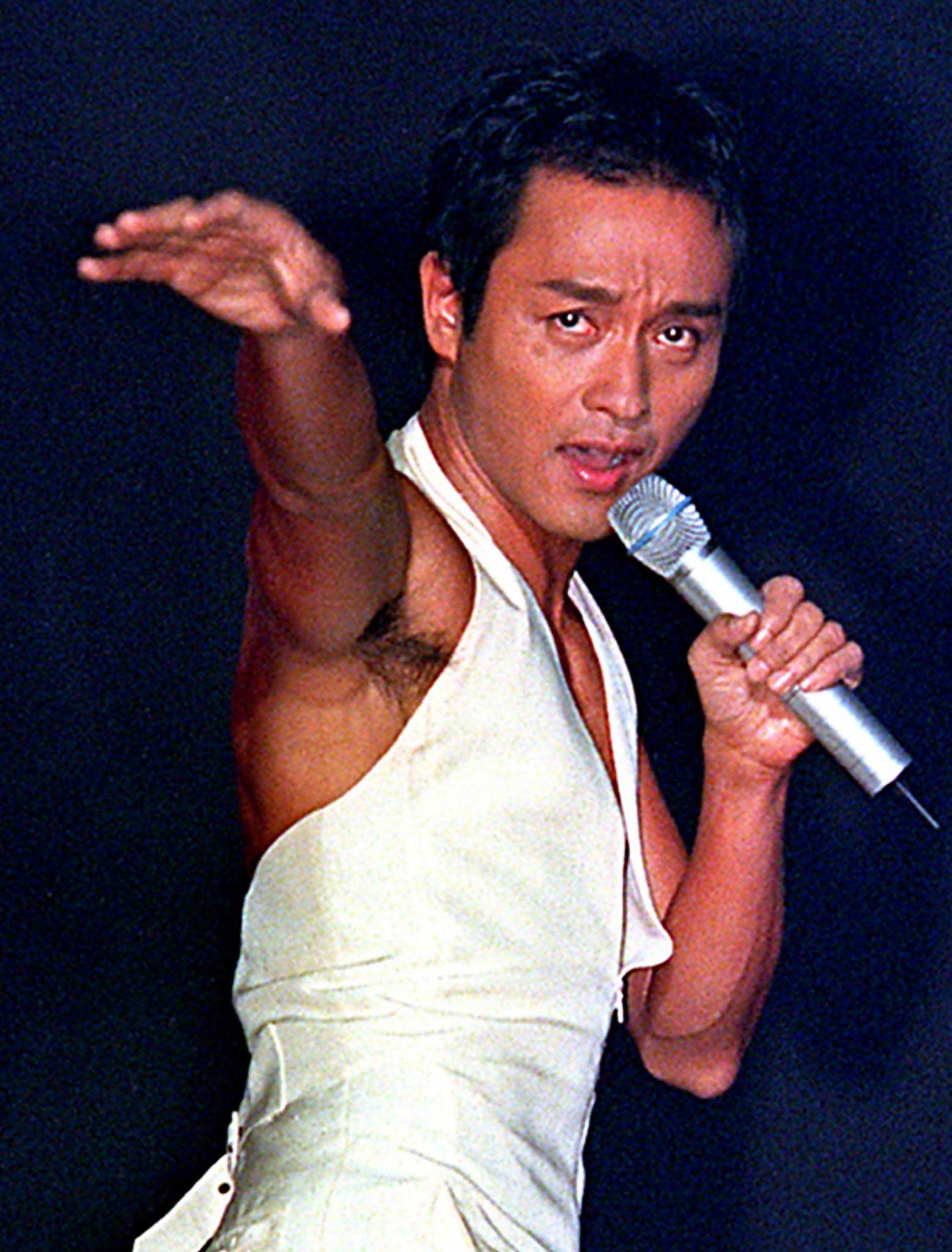
Leslie Cheung Leslie Cheung

In the days following the death of the singer Leslie Cheung, who committed suicide in 2003, researchers were alarmed to notice a sharp rise in the number of people who took their own lives in the same manner. It became clear that coverage of Cheung’s death – front page features with colour photographs and much “sensational and emotional” detail, according to Professor Paul Yip, director of Hong Kong’s Centre for Suicide Research and Prevention (CSRP) – had unintentionally triggered a series of copycat suicides.

The CSRP released the city’s first set of recommendations on suicide reporting the following year and updated them in 2010 to reflect new World Health Organisation guidelines. Now, Mind HK, a charitable initiative launched last year with the aim to ensure “no one in Hong Kong faces a mental health problem alone”, is seeking to bring mental health journalistic best practice further into the open with the first Mind HK Media Awards, taking place next month.

“Positive reporting of mental health topics has been shown in other countries to have a powerful role in destigmatising mental health problems,” says Dr Hannah Reidy, CEO of Mind HK. “Normalising conversations about mental health by exposing people to the topic in well-written media articles will allow Hong Kongers to speak about it more, support one another and realise that they are not alone.”

The media’s approach to mental health here is still far from perfect. According to Professor Yip, who will help judge more than 100 pieces of work submitted to the awards, local reporters are typically more “assertive”, even “aggressive”, when covering suicide deaths compared to journalists in the West. In Australia, just 3 percent of suicides are reported; in Hong Kong the figure is 30-40 percent.

Publishing fewer stories is not the solution. But they must be written with more sensitivity to their potential impact, says Dr King-wa Fu, associate professor at the University of Hong Kong’s Journalism and Media Studies Centre, who has spent almost two decades researching health and the media. Just as stigma and stereotypes still surround subjects like depression or anxiety in the community, they also abound in the press, he says.

Reporters frequently link violent incidents to mental health problems, for example. While there may sometimes be a link between these two factors, in truth mental health patients are rarely violent and over-emphasising the connection risks unfairly influencing perceptions.

Overgeneralising the factors that lead a person to commit suicide by associating the death with one specific event, such as a failed exam, is another problem. “As we know, mental health or suicide cases are caused by very complex, interrelated factors so usually not one or two simple reasons,” states Fu.

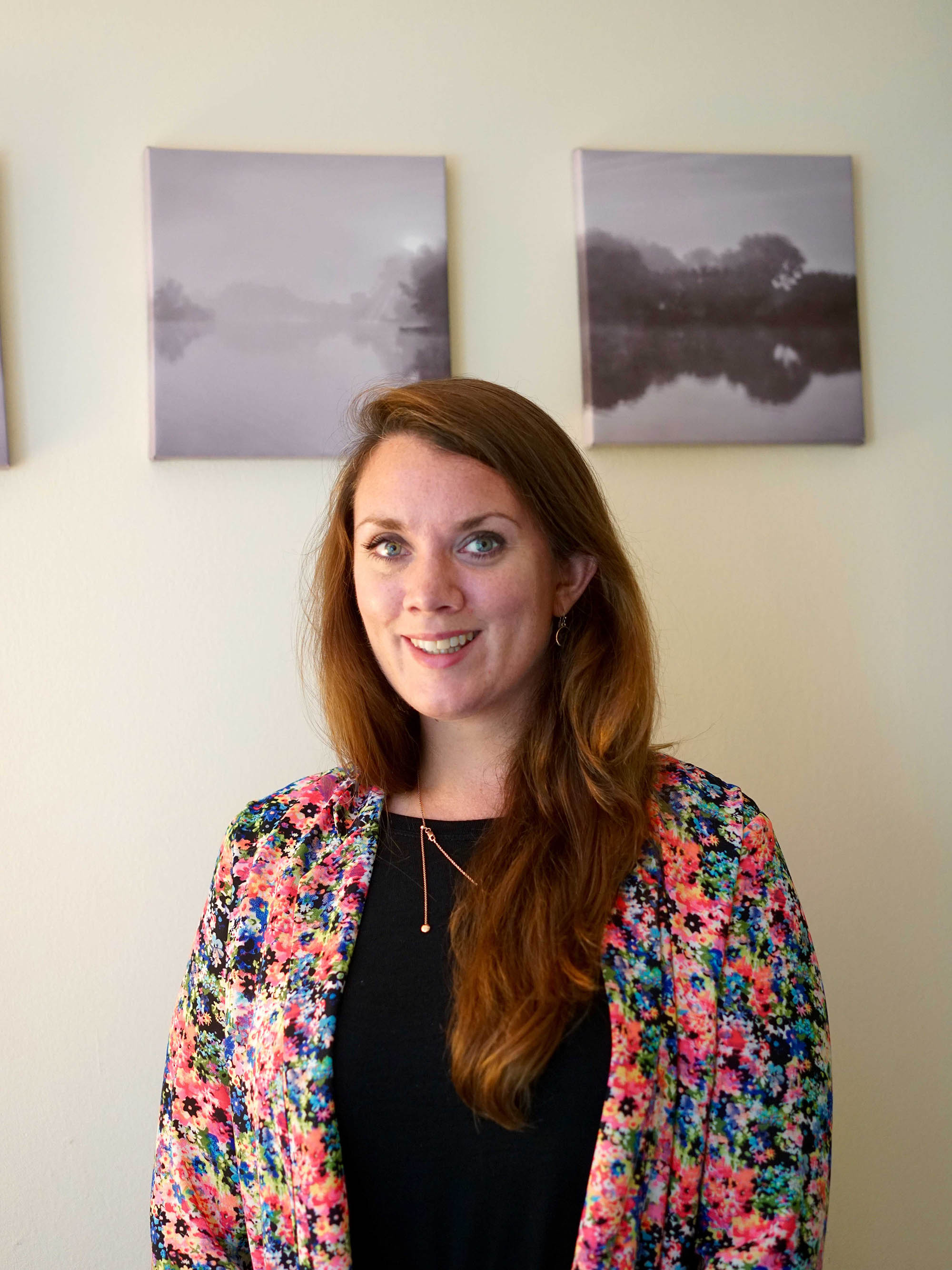
Dr Hannah Reidy, CEO of Mind HK Dr Hannah Reidy, CEO of Mind HK

Fu and Yip agree that in recent years, mental health reporting has improved in both the Chinese and English language media in Hong Kong. Coverage of suicides will usually be inside papers rather than splashed across the front page; most articles include help-seeking information and the CSRP now receives more calls from journalists seeking a professional viewpoint. The younger generation may also bring a fresh outlook: Professor Keith Richburg, director of the Journalism and Media Studies Centre at HKU, says he’s learnt a lot from current students who have been particularly willing to tackle the complexities of mental health in their stories.

These developments are encouraging, but challenges remain. High staff turnover in Hong Kong’s media means ongoing attempts to raise awareness are needed. Fu also suggests that stigma around mental health likely still exists in some newsrooms, which may prevent journalists from communicating their own mental health history to supervisors, and he questions whether there is enough psychological support for reporters who have to cover disturbing events.

Mind HK’s Reidy hopes the Media Awards will help, and will also bring mental health coverage further in line with the way the media reports on physical health, by ensuring that articles offer context, provide a range of perspectives and capture “the recovery and successes of individuals” as well as stories with negative connotations. “We often see that very victimising, stigmatising language is used alongside mental health in the media, which only serves to perpetuate the narrative that this subject matter is in some way taboo, rather than seeing mental health as something that we all experience.”

Entry to the Mind HK Media Awards is now closed but for information about tickets and sponsorship for the event, visit mindhkmediaawards.com

Olivia Parker joined the FCC in July. Currently deputy editor of Campaign Asia-Pacific, she moved to Hong Kong in January 2017 from the Telegraph in London. A board member of Mind HK, she feels strongly about improving mental health care and awareness and recently dyed her hair blue for a fundraising event.

‘This may cause some discomfort’: Overcoming prostate cancer

Prostate cancer is among the most common forms of cancer affecting men. Yet confusion and controversy still reign over how best to diagnose and treat the often fatal disease. Jonathan Sharp recalls his own encounter with this cancer – and the successful outcome.

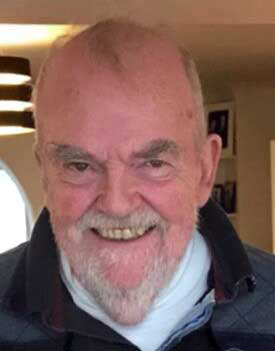
Jonathan Sharp Jonathan Sharp

It took just one fairly innocuous word from the kindly, smiling doctor to confirm my worst fear.

He was talking me through the battery of tests I had undergone since a routine medical check-up had turned up something suspicious in my prostate gland.

Then he said the word: “Unfortunately,” and I knew that yes, I had cancer.

That was a major downer, inevitably, but it proved to be the low point. Thereafter came better news: the disease was at an early stage, was a non-aggressive type and had not spread. The doctor made this particular malignancy sound almost wimp-ish.

Moreover, while it was a serious condition, it was eminently treatable. “Don’t worry,” was the phrase I came to hear often during the subsequent treatment.

It’s now been 11 years since I was first given that assurance, and indeed I have not had much to worry about.

My saga with a happy ending began with a PSA test. PSA stands for prostate-specific antigen, a protein in the prostate. An elevated level can indicate cancer before the appearance of any symptoms, of which I had none. (However, in recent years many experts have warned that PSA tests are unreliable and even harmful – see below).

My PSA levels were a bit high, so the next test was an ultrasound, conducted with a probe inserted into the rectum, which is the easiest access to the awkwardly located, walnut-sized prostate. “This may cause some discomfort,” said the doctor. It was the first of many times that I heard this mild-sounding warning, which I came increasingly to regard as euphemistic.

The inconclusive ultrasound test was followed by a biopsy – more “discomfort” – and then the diagnosis.

Of the various treatments available, the recommended one, which I accepted, was radical prostatectomy: taking the damn thing out. Next decision: shall I go private or public for the operation? To help decide, my wife Betty and I saw a specialist at the private, and expensive, Hong Kong Sanatorium in Happy Valley who was keen to use the latest robotic surgery equipment. Asked how much it would cost, he said that “packages” – making them sound rather like a tourism promotion – for the procedure started at HK$200,000. While I had insurance cover, I opted instead to go public at Queen Mary Hospital in Pok Fu Lam.

There the robot-less operation, lasting from 9am to 3pm (this being Hong Kong, I couldn’t help wondering afterwards whether anybody involved in the surgery had taken a lunch break), was not only successful, but free. Two weeks of hospital treatment, part on a voluntary part-time basis in a semi-private ward, cost token amounts.

While in hospital I became particularly attached, literally, to a bedside pain-relieving apparatus with which I could self-dispense morphine into my arm at five-minute intervals. I made such enthusiastic use of this brilliant machine, not because I was in pain but simply because I could, that nurses took it away well before the usual cut-off time.

After the hospital stay, there followed more weeks attached to a catheter, with a tube clamped to my leg with sticking plaster. This bore the rather unnecessary injunction “Do not pull” written in both of Hong Kong’s official languages (although curiously, the Cantonese version added an exclamation mark).

I was supremely relieved when the catheter was removed (again, more “discomfort”), above all when I discovered that I had none of the dreaded side-effects that I had been warned about.

For follow-up, I go to Queen Mary once a year for a blood test. When I go again for the results I am told that all is good, my PSA levels are at next-to-nothing levels. Come back next year.

This annual “consultation” takes about 30 seconds flat. If that seems a bit abrupt, I don’t mind in the slightest. At least nobody says, “This may cause some discomfort.”

Treatments galore – or just watch and wait

Prostate cancer has recorded the largest increase in incidence rate among the common male cancers in Hong Kong during the past two decades. In 2015, prostate cancer was the third most common cancer in men, with 1,831 men diagnosed with the disease.

Those are the bald figures provided by the Hong Kong Department of Health in July this year. Far less cut and dried, according to headlines appearing around the world in recent months, are the views of experts on how best to diagnose and treat this increasingly prevalent malignancy.

The PSA test, once a routine part of male health care and which gave me the first sign that I had something nasty wrong with me, is now widely called into question. “Does as much harm as good”, “imperfect”, “poor”, “fraught with uncertainty” are some of the verdicts commonly seen. Far better screening, according to Prostate Cancer UK, is provided by multiparametric MRI scans.

Treatment options are equally plentiful. They include surgery, radiation, hormone therapy, chemotherapy, biological therapy, bisphosphonate therapy and something called watchful waiting. A new technique called a high-intensity focused ultrasound (HIFU) procedure is being used in clinical trials in the U.S.

There is a huge difference between aggressive prostate cancer, which British actor Stephen Fry described as “an aggressive little bugger” when he recently announced he had the disease, and the less virulent version. This can remain harmless for decades, and it is often said that men are more likely to die with prostate cancer than of it.

The trouble is that the difference between a potentially lethal aggressive prostate cancer and the less harmful version is often unclear. And aggressive treatment, including removal of the prostate gland or radiation treatment, can result in impotence or incontinence.

Not surprisingly, an increasing proportion of men, especially ones with low-grade tumours, are choosing watchful waiting – regular monitoring – over radical treatment.

Jonathan Sharp joined Reuters after studying Chinese at university. That degree served him well, leading to two spells in Beijing. And it did not restrict him. A 30-year career also took him to North America, Middle East and South Africa, covering everything from wars to the Olympics. His favourite posting was Hong Kong, where he freelances.


Obituary: Susumu Awanohara, the foreign correspondent with a big heart

Susumu Awanohara didn’t fit the image of the impulsive, daredevil foreign correspondent you see in Hollywood movies. Not by a long shot. He was a big-hearted, beautifully rumpled man, who observed the world from behind smudged glasses, his incisive mind working to crack its puzzles with the instincts of a great detective.

Susumu with his dog, Delice, at Long Beach Island Susumu with his dog, Delice, at Long Beach Island.

A respected former denizen of the FCC Hong Kong and the FCC Japan, Susumu spent two decades covering Asia and its role in global affairs for the Hong Kong-based Far Eastern Economic Review, alternating between editing turns in the Hong Kong newsroom and bureau chief postings in Tokyo and Jakarta in the 1970s and Singapore and Washington in the 1980s and 1990s.

Armed with a Ph.D. in economics from Yale University (and an undergraduate degree from Tokyo University) Susumu immersed himself in transformative, large-canvas stories. A dogged field reporter with a knack for languages, Susumu loved to repair to a desk strewn with newspapers and reference books to tease out clues as to the shape of things to come.

In the mid-1990s, he embarked on a second career as a financial policy expert. After a stint at the Nikko Research Center in Washington, he moved to New York, with a job as analyst of Asian business and economic trends for Medley Global Advisors, and lived in Manhattan’s East Village with his wife, Mary-Lea Cox.

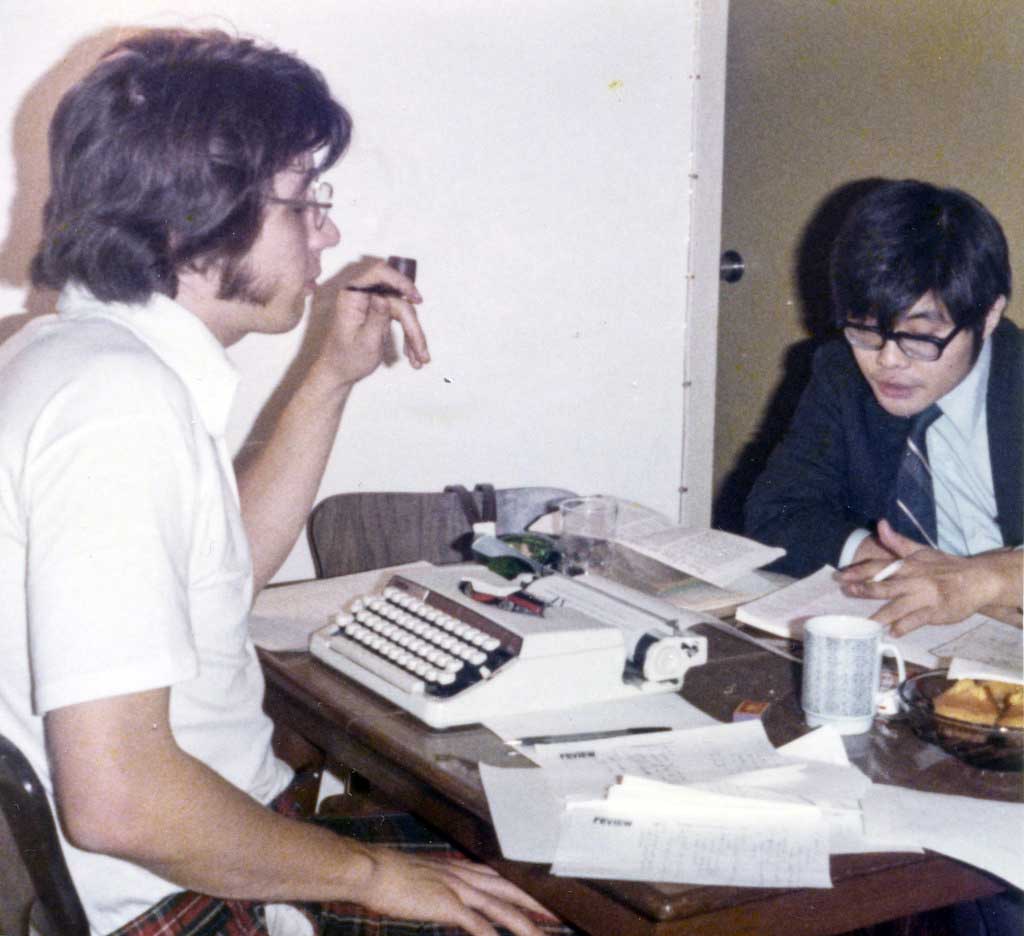
My own debt to Susumu is profound. In 1976, when he opened the Review’s first stand-alone Tokyo bureau in the Nikkei Shimbun’s infamous “Gaijin Ghetto,” he hired me as his back-up reporter. New to journalism, I neither knew how to do it nor why it was done, and Susumu pulled double-duty teaching me the craft.

Susumu with the writer of this obituary, Tracy Dahlby, in the 1970s Susumu with the writer of this obituary, Tracy Dahlby, in the 1970s.

Susumu was expert in looking out for his friends. “Besides being one of the best-educated journalists I’ve ever met,” said former Review colleague Mike Tharp, “Susumu was one of the nicest … not in a saccharine sense … but in caring about people both individually and in sum.”

If Susumu covered Asia at a transformative time, he was born into a turbulent one – in Japanese-held Manchuria in August, 1945. His maternal grandfather, Tsutomu Nishiyama, had been serving as president of the Central Bank of Manchou, but with Japan’s defeat, the Russian army swarmed across northern China. In the chaos, Susumu and his twin brother, Shinji, were spirited back to Japan, where Shinji soon died of malnutrition. The dramatic circumstances of Susumu’s birth contributed to his desire to get to know Asia, in all its complexities.

Susumu was a man of charming eccentricities who modelled himself after the artfully fumbling 1970s TV detective, Columbo. A Medley Advisors colleague fondly recalls him carrying a hardboiled egg in his suit pocket; he won office prizes for “most bad hair days” for his prodigiously spiky mop. Yet his unflappable, cerebral demeanour also masked a courageous spirit. When right-wing extremists phoned in threats to the Tokyo bureau over a Review cover of Emperor Hirohito, Susumu didn’t flinch.

Former Review editor-in-chief Philip Bowring recalls a hard trek through Kalimantan in the early 1980s with Susumu’s “relaxed good humour overcoming innumerable obstacles”. When the pair was ready to fly on to Manado in Sulawesi, Philip said: “The plane we were supposed to take crashed on landing at Balikpapan and after three days waiting in vain for a relief plane we had to return to Jakarta. Susumu kept me sane and smiling.”

Susumu had been retired for several years before he died of pancreatic cancer at Calvary Hospital in the Bronx on June 11, aged 72. He is survived by his wife, Mary-Lea, children from a former marriage – son Gen (and wife Meagan) and daughters Mika and Yuri, two grandchildren, Max and Elle Awanohara, an older brother Kan Awanohara, a nephew and two nieces, and many friends across the globe.

Tracy Dahlby

A longer version of this obituary appeared in the Number 1 Shimbun, the magazine of the FCC of Japan

On The Wall: Derek Maitland’s Vietnam

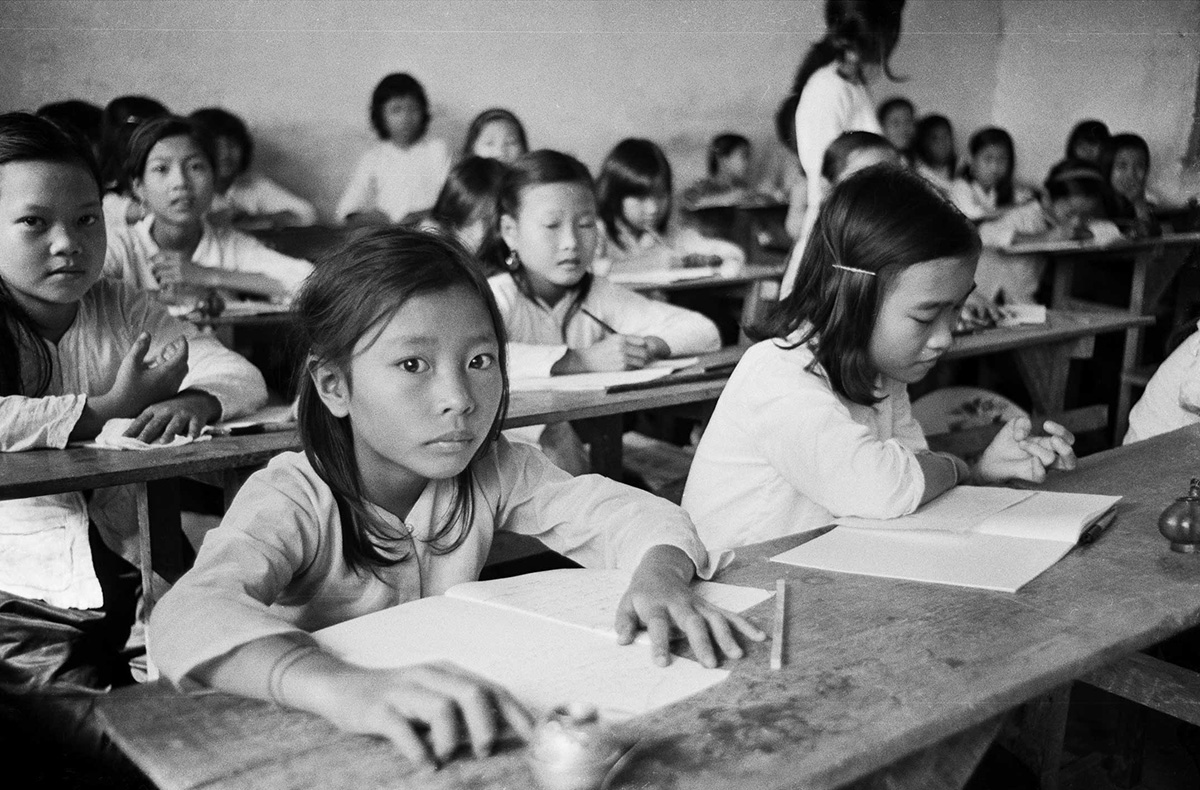
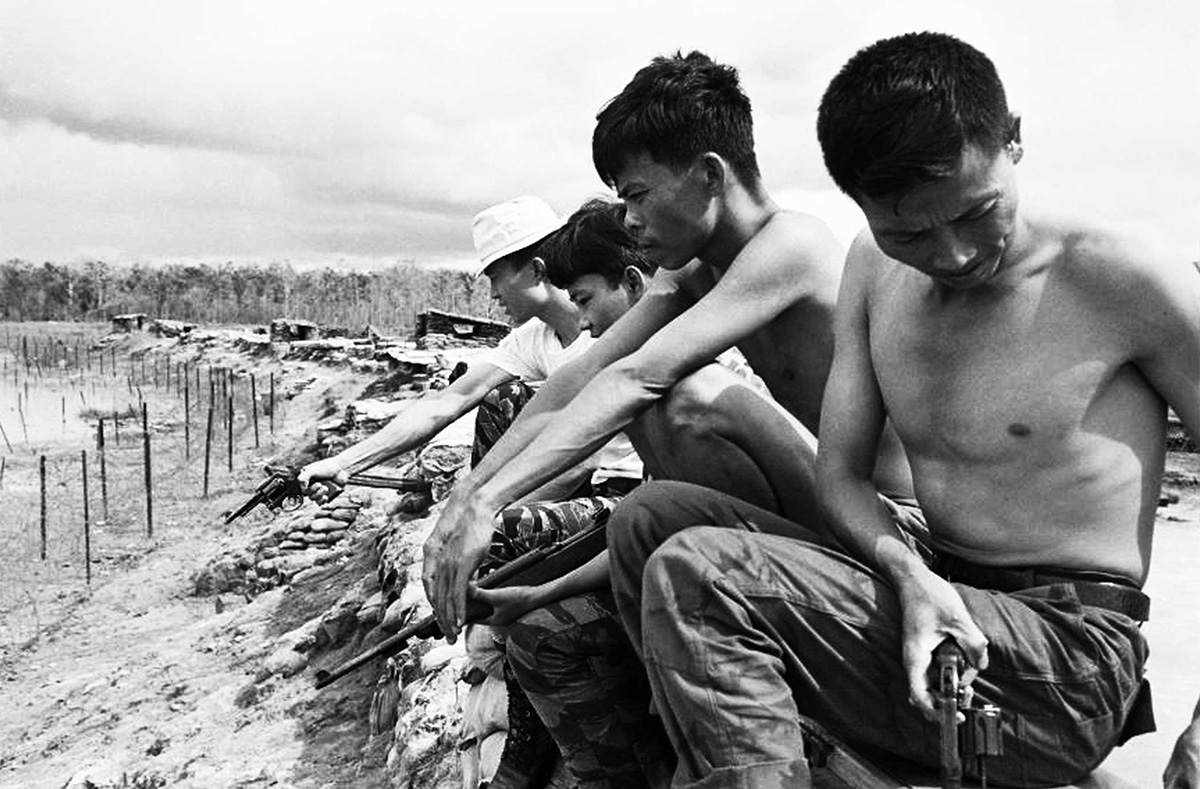
Images by Derek Maitland

I was born in England in 1943—my family emigrated to Australia in 1956 and, at age 18, I entered journalism straight from high school at ATN Channel 7 News in Sydney. Five years later I shipped out to Hong Kong, embarking upon an incredible 50-year global odyssey.

I remember the excitement that filled me when I first set eyes on the bustling Kowloon waterfront. “I’m 23 and I can now say with absolute joy that my life has just now truly begun,” I wrote at the time.

Photo: Derek Maitland Photo: Derek Maitland

But the British Crown Colony soon became my jumping off point for where and what I really wanted to be at that time—a war correspondent in Vietnam. I spent nearly two years there as a one-man bureau for the U.S. news feature service, Copley.

My role as a journalist became increasingly investigative and in all respects more hazardous as the U.S. military manpower build-up burgeoned through the half-million mark in 1967 and it became more and more apparent how far the Pentagon was willing to go to crush communism in Asia.

Photo: Derek Maitland Photo: Derek Maitland

Two major military operations that I covered reflected how deeply I was willing to go at that time: on one I tried to track a unit of French, Australian and U.S. mercenaries which was deploying military gas along the Cambodian border north of Tay Ninh. I was detained and held incommunicado by the U.S. Special Forces command, flown to a “Fighting A-Camp” at Prek Lok and put through a week of interrogation and weapon proficiency tests to see if I was an enemy agent.

In the second incident, British photographer Nik Wheeler and I found ourselves on the scene of one of the war’s most violent attacks on U.S. military personnel—a nine-hour ambush and fierce overnight battle near Dak To in the Central Highlands in which a hardened regiment of North Vietnamese troops wiped out nearly 80 troops of the 173rd Airborne Battalion, then attacked again as a rescue unit that we accompanied deep into the jungle was working to retrieve the bodies.

Photo: Derek Maitland Photo: Derek Maitland

In that incident I picked up a discarded M–16 carbine, somehow unlocked it and took my place lying among a perimeter of men facing off the attackers. I then suffered the worst fear I’ve ever in my life experienced— paralysed by gripping terror and PTSD that took me all of 15 years to fully recover from.

Two more combat incidents that I covered, one in the massive Tet Offensive of April 1968, convinced me my luck might be running out. I flew to London where I worked with BBCTV News, and wrote The Only War We’ve Got, my first novel and one of the earliest books that portrayed the insanity of the American military mission in Southeast Asia.

My war was over until a few years ago when I rediscovered these photos. They speak to my feelings about my time “in country”. I hope they speak to your understanding of the “American War”.

– Derek Maitland, September 2018, Canowindra, New South Wales, Australia.

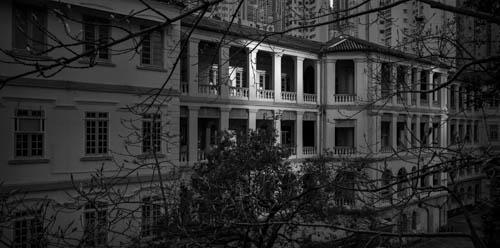
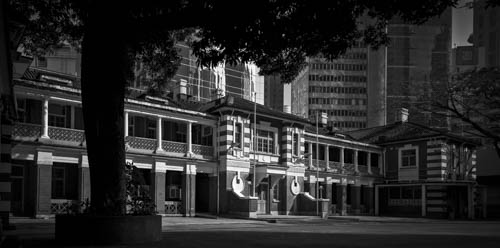
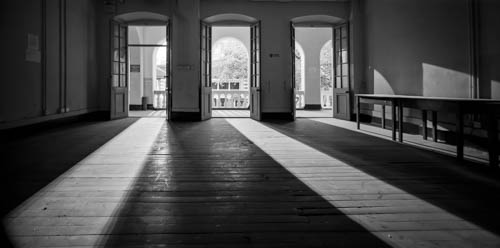
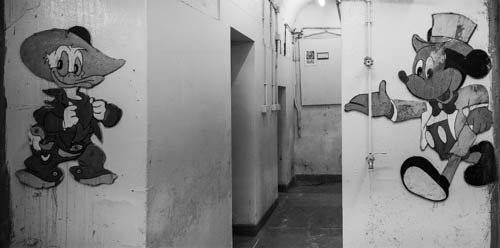
On The Wall: The Central Police Station Compound

Images by Leong Ka Tai

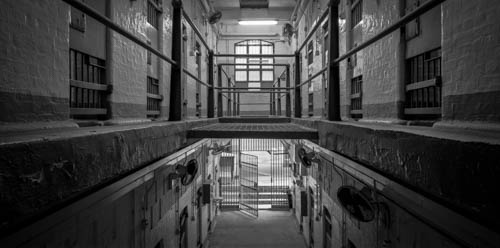
The Central Police Station, the Central Magistrates Court, and the Victoria Prison, built in the 19th Century, formed a complete system for law enforcement. The facilities were gradually replaced as the population grew and the buildings in the compound were declared heritage monuments in 1995. After the buildings were decommissioned in 2006, Leong Ka Tai photographed the compound. For his book of the same title as the exhibition, he also interviewed the policemen, correctional officers, and an inmate who spent their years there, thus compiling a record of the collective memory of the compound. The book reflects the feeling of working, living, and being incarcerated there.

Leong Ka Tai has been a professional photographer for over 30 years. He has published 11 books of his personal work and 10 more in collaboration with other photographers. He is a founding member and the chairman of the Hong Kong Institute of Professional Photographers (1992-4), and a founding member and chairman of the Hong Kong Photographic Culture Association. Visit his website at www.camera22.com

Photo: Leong Ka Tai Photo: Leong Ka Tai

Hong Kong Literary Festival: Feeding a hunger for words

There were some authors wandering around the FCC in early November, taking a break from appearing at this year’s Hong Kong International Literary Festival which has a new permanent home just a stone’s throw from the Club.

Writer Geoff Dyer - no, not that one - talked about his work at the FCC. Photo: Sarah Graham/FCC Writer Geoff Dyer – no, not that one – talked about his work at the FCC and also appeared at the Hong Kong Literary Festival. Photo: Sarah Graham/FCC

The 18th festival ran from 2 to 11 November at the recently opened Tai Kwun Centre, the old police and prison compound on Hollywood Road, Central.

One of the oldest and largest literary festivals in the Asia-Pacific region, the Festival doubled its programming and audience from 2015 to 2017 and was predicted to reach a projected 10,000 people this year.

FCC had two talks with visiting authors scheduled at the Club: British author Geoff Dyer answered questions about his vast experience as a travel writer at “Not a Reporter: A Lunch with Writer Geoff Dyer” on November 1; and British TV Channel 4’s Jonathan Miller talked about his new book, Duterte: Fire and Fury in the Philippines at a lunch on November 5.

At the time of going to press, the Club had also slotted the evening of November 8 for a “meet the authors” event, and was considering again issuing 20 temporary membership cards to authors who want to use the FCC facilities during their stay in Hong Kong, as it did last year.

The broad themes of the 2018 Festival were feminism, inspired by the #MeToo movement, LGBTQ+, and travel writing.

Memoirist and novelist Cheryl Strayed headlined this year’s Festival Gala Dinner at the China Club, where she spoke about female voices in literature. Psychotherapist Susie Orbach spoke about her seminal book Fat is a Feminist Issue – which celebrates its 40th anniversary this year – over lunch at Tai Kwun’s Old Bailey restaurant.

In “LGBTQ+ and Inclusivity in the Arts”, Australian poet Jesse Oliver and Canadian artist Ivan Coyote discussed the state of LGBTQ+ representation in today’s international literary scene.

Other highlights included Scottish novelist Irvine Welsh discussing Dead Men’s Trousers, his latest addition to the Trainspotting universe, and exiled author Ma Jian speaking about his latest novel, China Dream, a satirical portrait of Xi Jinping’s China.

Writers Dung Kai Cheung, Ng Mei Kwan, Tammy Ho Lai Ming and Mithu Storoni, among others, represented Hong Kong’s literary scene. The city has hundreds of book clubs and many literary and spoken word groups and the Festival partnered with Hong Kong Stories, Women in Publishing and the Peel Street Poets this year.

There was also a series of small workshops to help people who are starting out on writing careers or who want to see where their talents lie. These included “Start Your Own Podcast Workshop” with Jarrod Watt and Mercedes Hutton of the South China Morning Post, and “Why Editors Don’t Reply: Pitching Workshop” with former CNN Travel editor James Durston.

Festival director Philippa Milne said: “Over the last year the festival has undergone some important changes – an expanded board of directors, new branding and a new home. We are delighted to be holding all of our events, excluding the annual gala dinner, under one roof.

“Now on my fourth year at the festival’s helm, I’m encouraged by Hong Kong’s hunger for the written word. In these somewhat complicated times literature is more necessary than ever. Not only does it provide a gateway to cultural exchange, but it allows us to absorb the importance of empathy required to build better societies.”

Two FCC members honoured for their decades of service

SK Witcher and Florence de Changy receive prestigious honours. Morgan M. Davis tells their stories.

SK Witcher, a long-time FCC member and veteran journalist, was awarded the Missouri Honor Medal for Distinguished Service in Journalism on October 16. The honour has been given annually since 1930 by the University of Missouri’s School of Journalism.

SK Witcher at the 2017 SOPA Awards. SK Witcher at the 2017 SOPA Awards.

“I am thrilled to share this honour with legendary journalists like Christiane Amanpour, and past greats including broadcaster Walter Cronkite and even Sir Winston Churchill,” said Witcher. “I am gratified that Asia is firmly on the university’s radar and the faculty recognises the importance of encouraging journalistic excellence in the region.”

Witcher, who has been an FCC member since she first arrived in Hong Kong in 1977, has led a prestigious career as a reporter and editor around the world, for The Wall Street Journal, South China Morning Post, and The New York Times, in addition to being a tutor for graduate journalism students at Hong Kong Baptist University.

Now Witcher is taking a break from the grind of daily news to set up her own pan-Asian freelance consultancy for editing and journalism training. She also remains active with the Hong Kong-based Society of Publishers in Asia as the immediate past chair of the editorial committee and will continue to serve as a judge for the group’s annual awards.

Witcher is a graduate of the University of Missouri, and attributes her international journalism career to her Missouri start. She chose to attend the university, which has the oldest journalism school in the U.S., in part because of its option for master’s degree candidates to go abroad.

The timing was perfect for Witcher, as around the same time The Wall Street Journal made its first move into international publishing with an Asian edition based in Hong Kong. Witcher seized an opportunity to intern at the paper’s Asian start-up, and ended up working for the newspaper for 33 years.

Over her four decades working as a global reporter, Witcher covered a variety of stories including the Latin American debt crisis in the 1980s. Witcher, along with a team of reporters, was nominated for the Pulitzer Prize for their coverage of the crisis and its threat to banking systems around the world. Reporting on a gold rush in the highlands of Papua New Guinea and hitchhiking her way there was a particularly memorable experience for Witcher. “The gold-laced terrain was full of sinkholes that locals could best sense, so I ended up being carried like a notebook-toting Cleopatra across the fields perched on the forearm of a muscular guide, conducting interviews along the way,” she recalled.

“There had just been an incident that sparked a tribal war so all the prospectors were armed to the teeth with machetes and bows and arrows and hot tempers. But I got my story.”

FCC President Florence de Changy was awarded the honour of Knight of l’Ordre National du Mérite in July by the then consul general of France Eric Berti in recognition of her contributions to the French community and for her work as a journalist. The award is one of the highest French honours, given since 1963 to recognise exceptional contributions in any field.

De Changy, who has lived in Hong Kong since 2007 and been an FCC member for nearly as long, has worked as a correspondent at Le Monde for nearly 30 years, in addition to her work for Radio France, RFI, TV5 and France 24, spanning cities in Australia, New Zealand, Malaysia, and Taiwan. She has also been an active part of the French community in Hong Kong, working as chair of the executive committee of the French International School.

Over the years, de Changy has reported on stories globally, from the first-ever political meeting in Antarctica at the ministerial level, and writing about the ghosts there, to covering the 1998 tsunami in a remote part of Papua New Guinea.

She witnessed the end of Aung San Suu Kyi’s house arrest and got the first-hand tale of 1989’s Yellowbird Operation – which helped Chinese dissidents from Tiananmen Square escape arrest – 25 years later from the former French deputy consul in Hong Kong.

“What other jobs in the world give you access to almost anyone, anywhere, and make you learn new things every day?” asked de Changy. She added; “I hope I have not written my best story yet.”

Eric Berti, Florence de Changy, her husband Philippe Grelon, and their youngest son Côme Grelon after the ceremony, Eric Berti, Florence de Changy, her husband Philippe Grelon, and their youngest son Côme Grelon after the ceremony.


We measure site performance with cookies to improve performance.