Members Area Logout

Catching Up With Cartoonist Harry Harrison

Ed Peters swaps quips with Harry Harrison, who exhibited a collection of intriguing illustrations at the FCC in September.


For the past 20 years, Briton Harry Harrison’s cartoons have unfailingly been one of the best bits in the South China Morning Post. To celebrate the publication of Add Ink: Cartoon Chronicles of Hong Kong, and his September exhibit at the Main Bar, The Correspondent caught up with the 60-year-old Lamma stalwart who wields his pen – and wit – to such devastating effect.


Any regrets missing out on a glittering career in UK supermarkets?

Harry Harrison: Parts of Hong Kong supermarkets smell exactly the same as Key Markets, my first employer. I always have a misty “What if…” moment when I wander into such pockets. I could be an area manager with a company car and a nylon tie; instead, I’m trapped in this shorts-flip-flops-and-ink-stains maelstrom.


You met your future wife, Helena, in Tsim Sha Tsui in 1990. Did you two hit it off immediately?

HH: I was instantly drawn to Helena, but it took her several months to realise what an absolute catch I was. She bought me a chicken tikka sandwich because I was skint. I then walked her to The Peninsula where she had been invited to afternoon tea by an American fighter pilot. I walked dejectedly back to my hostel thinking “There is no God!”


Which of your cartoons generated the greatest outrage?

HH: I did a few about the Second Intifada in 2001 which drew accusations of anti-Semitism. I asked a Jewish woman I was working with if she found any of my cartoons objectionable. She replied: “Yes, that one you did taking the piss out of Cathay pilots. My dad’s a Cathay pilot!”


Former Chief Executive Tung Chee-hwa’s physiognomy lent itself to your art. How about Miss Popularity?

HH: Tung was a gift, particularly as I was just finding my feet. Carrie Lam’s features are as unremarkable as everything else about her, apart from her quirky approach to “helping” Hong Kong people, and her dead-eyed stare, of course.

Harry Harrison

You were sometimes confused with late sci-fi writer Harry Max Harrison – are his books any good?

HH: I’m not a fan of the genre, so haven’t read any, but we were occasionally in contact. He used to be an illustrator before he started writing and I mentioned this to him in an email. He replied that if I promised never to write any science fiction, he promised never to do any more illustration.


Apart from Carl Giles and Ronald Searle, do you have any other heroes?

HH: As far as art goes, Ralph Steadman, Gerald Scarfe and Kevin “Kal” Kallaugher spring to mind. In other fields, there are many, but I would have to single out Alan Partridge.


You’ve put in 20 years at the Post: any plans to skedaddle?

HH: None personally, but that’s probably not in my hands, the current climate being what it is. I’ve got a boat and some tinned food hidden in the bushes on Lamma.


Anything else you’d like to add?

HH: Buy my book.


Pick up Harry Harrison’s Add Ink: Cartoon Chronicles of Hong Kong at the FCC front desk.

Member Insights: How to Secure Your Virtual World

Simon Jankowski, a cybersecurity expert, shines a light on the internet’s dark side. By Morgan M Davis


As long as faxes and emails have existed, so too have phishing scams. By now, most people know better than to send their bank account details to a stranger asking for financial support. But scammers are always looking for new victims, as well as increasingly sophisticated ways to access personal information – be that for financial gain, trade secrets, intellectual property or espionage.

We’d all like to assume that we would never personally fall for a cybersecurity attack, however, our networks are extra vulnerable in a work-from-home world. FCC member Simon Jankowski, a security director at BT Group, a communications services company, works with customers around the world to improve security, risk and compliance standards.

Jankowski spoke with The Correspondent about recent cyberattack trends and how individuals can protect themselves online.


How did you begin your career in cybersecurity?

Simon Jankowski: I have been interested in computers from a young age, pulling them apart and figuring out how they work. My first experience with security was reading Underground: Tales of Hacking, Madness and Obsession on the Electronic Frontier by Suelette Dreyfus, which covers the exploits of international hackers in the 1980s and ‘90s.


What new risks have arisen during COVID-19?

SJ: Before COVID-19, a lot of organisations had built a perimeter around their networks. With COVID-19 and work from home, people are sitting outside the network, so there needs to be a change in how we think about security controls. We’ve also seen more cyberattacks on VPNs [Virtual Private Networks] since more companies and individuals have started using them during the pandemic.

Meanwhile, more traditional attacks are still taking place. For example, a large number of attacks still originate via email in the form of malicious links or phishing campaigns that try to convince people to give personal details or money.


What are some ways we can protect ourselves?

SJ: Both individuals and companies should use VPNs, as well as a good anti-virus application and email spam filter. VPNs are important because they encrypt the traffic between your device and the VPN provider, making it harder for people to intercept or redirect.

They can also grant access to resources within your company’s networks that wouldn’t be available otherwise. However, it is important to use a trusted service, such as the one provided by your company. Be sure to research the VPN company to see who owns it and if they collect information from their users.

The average person also needs to be careful about what emails they’re opening and links they’re clicking. It is also important to pay attention to networks before connecting. Is that free Wi-Fi really safe enough for you to access your work or bank accounts?


How do we know if a Wi-Fi network is safe?

SJ: Generally, unless you control the Wi-Fi or your company does, it is best to treat it as untrusted and use something like a VPN to protect the traffic running through it. While it is generally not necessary to avoid
Wi-Fi totally if precautions are taken, there are alternatives such as using a pocket Wi-Fi with a SIM card.

The next most important thing is to keep all of your devices updated across both the operating system and applications. Learn to encrypt any external media devices to protect data against theft or loss. This is especially important if your devices contain personal, identifiable information.

There are commercial and free applications to encrypt data. Microsoft Windows (BitLocker) and macOS (FileVault) have options built into them as well.


What can we learn from the cyberattacks we’ve seen in the headlines? 

SJ: Cyberattacks are taking place all the time. Within seconds of a new server going online, it is already being probed and attacked. This is a reflection of our growing societal dependence on technology. Since governments and businesses depend on these technologies, ill-intentioned people will try to use them to gain an advantage financially, professionally or politically.

Each attack reveals new methods and vulnerabilities. The lessons we learn from them can then be used to drive protection back into businesses. For example, ransomware has taught the importance of robust backup practices.


Where do you see the greatest vulnerability?

SJ: The most vulnerable targets are people. People make mistakes and can be tricked or manipulated. A large number of attacks still originate via email, where someone has replied with personal details or clicked on a link that allows a sophisticated attack to start.

It is important for organisations to invest in user education around cybersecurity. One of my greatest achievements was teaching my mum how to distinguish between a fake and a real email!


What are the red flags?

SJ: Look at the minute details. Does the website and sender’s email address match the company it claims to be from? Or is there a discrepancy? For example, “1BM” instead of “IBM”. In addition, such emails commonly have a sense of urgency, such as “your account will be charged US$1,000 unless you cancel now.”


Are governments and businesses doing enough to keep up?

SJ: These threats are emerging fast. It is essential to inform people about the potential threats. You will have noticed over the years that many organisations, such as banks, send notifications and warnings regarding fake emails or phone calls about their organisations in order to help protect their customers.

Globally, we are seeing regulations catch up with technology and threats, however, with the speed of cybercriminals, it’s challenging to keep pace.


SIMON’S TOOLKIT

Learn more and protect yourself with these resources.


KBKast

Cyber security experts explore information security on a strategic level in this podcast.
podcasts.apple.com:“KBKast”


Dark Reading

Security professionals post the latest news about cyber threats and technology trends.
darkreading.com


The Register

Your source for global tech initiatives, the latest gadgets, cutting-edge engineering.
theregister.com/security

FCC Recipe: Halloween Cookies

Every successful Hallow’s Eve needs a batch of “Dracula Dentures”. Here’s how to master these devilishly delicious oat cookies at home.


Ingredients

115g     Butter

160g    Brown sugar

80g     White sugar

2.5g     Salt

1           Egg

60g     Bread flour

180g   Cake flour (sieved)

2.5g    Baking soda (sieved)

50g     Chocolate chips

50g     Raisins

50g     Oats

14 pcs Small marshmallows 

1 jar    Raspberry coulis, compote or jam

4         Quartered almonds


Instructions

  1. Pre-heat oven to 180°C.
  2. Place butter and sugar into a mixing bowl and whip until creamy.
  3. Slowly add the eggs and mix well.
  4. Fold remaining ingredients into the mixture until combined.
  5. Scoop the mixture into 15 equally sized balls.
  6. Bake for 12 minutes.
  7. Remove cookies from oven and let cool for 10 minutes.
  8. Cut baked cookies in half. Turn over.
  9. Line marshmallows between the cookie halves to resemble teeth.
  10. Add a few drops of raspberry coulis along the edge of the marshmallows to imitate gums.
  11. Attach 2 quartered almonds on either side as incisors.
  12. Drizzle coulis for impact.

Raise a Glass to ‘The Hong Konger’

Fancy trying a new cocktail? One FCC member has devised an ode to Hong Kong in liquid form, served straight up in a Tom Collins glass.

A city as exceptional as Hong Kong deserves a cocktail all its own – especially given the city’s famed predilection for a good time. Enter Russell Goldman, a New York Times editor and FCC member who, on the cusp of his departure from Hong Kong, concocted a signature drink with the help of senior bartender, Jason Poon, as a quaffable homage to the city he’s called home for four years.

“The drink had to signify Hong Kong – its flavours and people – and be reproduced at virtually any bar in the world,” says Goldman. “After tinkering with recipes at the Main Bar [in February 2021], and much patience on Jason’s part, The Hong Konger was born.”

What’s in it? Start with a Hong Kong-style iced lemon tea, add a generous dram of whisky (this is the FCC, after all), and top with a splash of ginger beer. It’s robust, refreshing, spicy and satisfying. “The ingredients represent Hong Kong’s history,” he adds.

It’s Goldman’s hope that The Hong Konger will forever be associated with the FCC, much the way the Singapore Sling is associated with the Raffles Hotel in Singapore. “The FCC is sort of an oasis, in that it’s this [bastion] of free speech.

“And it’s fitting, now that we can hang out with people in small groups again, that we have something special like a new drink to mark that moment – so we should raise a glass and celebrate.”

The Hong Konger, which is available at the Main Bar, pairs particularly well with Indian food and great conversation – two of the FCC’s many attributes.

Meet Sally Cheung, FCC Head Seamstress

This enthusiastic team member looks after the club’s laundry, uniform repairs and loves to cook.


Tell us a little bit about what you do!

Sally Cheung: I learned how to sew in my home province of Sichuan before moving to Hong Kong 16 years ago. At the FCC, I am responsible for all of the linens and uniforms. I make sure everything from blazers, shirts and trousers to tablecloths, napkins and hand towels are brought to the laundry, and freshly restocked again for the next day.

I also inspect the uniforms daily to check if anything needs fixing. This is the main part of my job. I spend much of my day making alterations or repairing uniforms. It’s very important that staff members look their best – and I take pride in making sure their uniforms always look presentable and professional.


What brought you to the FCC?

SC: I joined the FCC about three years ago. At the time, I was playing mahjong too much, and I needed a full-time job to give me something else to focus on and feel productive. Prior to working here, I looked after my three daughters. I had part-time jobs here and there, but this is the first full-time role I’ve ever had.


What’s the most challenging part of your job?

SC: No task is too hard for me; I like a challenge. During COVID-19, when we have all been a little less active than usual, some staff members have put on a little weight. Fixing a stressed or busted seam is very challenging. Since I am the only one who does repairs, sometimes I also feel a lot of pressure because everyone depends on me. But I also love that sense of responsibility and I am thankful that I get to do what I love to do every day.


Can you share some of your favourite memories from your time at the FCC?

SC: My very first year working here, 2018-2019, I won ‘Best New Employee’ at the Staff Awards. I think it was because I am good at my job, have a positive attitude, and get along well with my other teammates. It really is like one big family. Even though much of my job is done alone, I still feel like I am part of a team.


Besides being a dab hand with a sewing machine, are there any other hobbies you enjoy?

SC: In my free time, I like to go shopping and hiking with my daughters. I really care about my health, so we like to do active things to stay on our feet.

I also love to cook Sichuanese dishes, like poached fish in chilli oil (shui zhu yu) or dried Sichuan beef, to share with my team. I have to warn anyone before they try my cooking though: I make very, very spicy food!

A Walk Down Memory Lane With FCC Music Director Allen Youngblood

Now that the FCC is a Type D venue, live music is back on the docket. We caught up with FCC Music Director Allen Youngblood for a walk down memory lane.

After a year without live music, you can once again experience some of the best sounds in the city at Bert’s. The FCC’s basement bar and bistro – named after the late Bert Okuley, the piano-playing former FCC President – is hosting a gig every other Saturday night.

It’s been a long time coming for Allen Youngblood, who oversees the club’s music programming. The FCC’s Music Director – who’s also a jazz pianist, composer, music teacher and event planner – has been with the club since 1997. “I wanted to stay through the handover,” he says. “My degree is in history so I didn’t want to read about history when I could see it for myself.”

At the time, Youngblood was playing gigs at the Main Bar and The Peninsula Hotel. One night, the late Hugh van Es offered him a job as the musical director, taking over from all-round entertainer Larry Allen who was returning to the United States. Since then, Youngblood has created one of the city’s best live music venues.

Over the years, Youngblood has performed alongside countless stars – Eddie Harris, Ernestine Anderson, Cash McCall, Eddie Clearwater, Martha and the Vandellas to name a few – and orchestrated large-scale FCC events. These include the club’s first-ever Charity Ball in 2002, two Jazz Festivals at the FCC, and a trip to Puerto Galera Jazz Festival, for which Youngblood and co-organiser Terry Duckham flew 75 club members to the Philippines. “Exactly 73 of those people behaved themselves. I won’t name the other two,” he laughs.

Bert’s is not just a jazz bar, though. The club strives to showcase a wide variety of music. “We’ve had Argentinian tango dancers, a German youth group, Mongolian a cappella, blues, Latin, and Grammy award winners like Ernie Watts and David Sanchez,” says Youngblood.

“We’ve also welcomed Jimmy Buffett – cool, really nice guy. The Beach Boys. Amazing. Blondie. Dennis Edwards and the Temptations. I’m telling you, there’s a lot of history down here.”

Youngblood is relieved to see live music returning to the city, but can’t wait to get back to full capacity. “Through these trials and tribulations, I really appreciate how the FCC has treated me,” he says. “Since 1997, I have met so many interesting, talented people. I love that a correspondents’ club features live music – and I hope it always does.”

‘Trading Places’ Pays Tribute to the Architectural Glories of China’s Former Treaty Ports

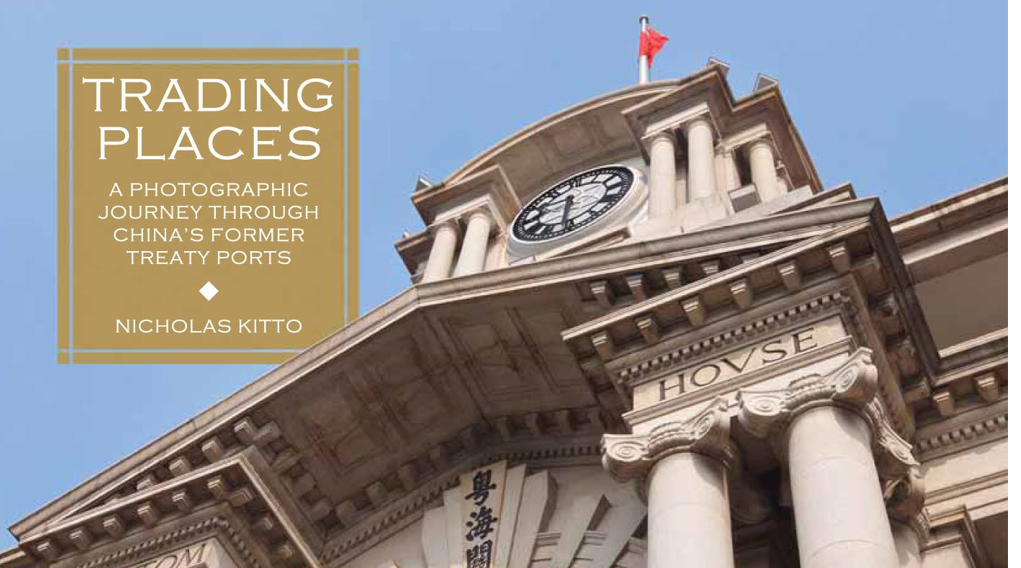
In an epic tribute to architecture, history and photography, FCC Member Nicholas Kittoturns his lens on China’s former treaty ports in his recently published tome, Trading Places. By Ed Peters

The sobriquet “Old China Hand” fits Nicholas Kitto like a glove. His family connections with the Middle Kingdom stretch back generations, and he has worked in Hong Kong, first as a professional accountant and more recently as a heritage photographer, since 1983.

So it’s more than fitting that his magnum opus – the 396-page coffee table book, Trading Places – pays tribute to the architectural glories of China’s former treaty ports, with a particular accent on the places once inhabited by his forebears.

“While I was on a business trip to Tianjin in 1996, I sought out the house where my father had lived on Racecourse Road as a child in the 1920s,” says Kitto.

“Eight years later we went back there together; it had been turned into a bar so we had a gin and tonic in what used to be the drawing room. By then, the germ of an idea had started to form in my mind.”

‘Trading Places’ was put together over a dozen years and granted Kitto many new insights into China past and present.

In 2008, accompanied by historian Robert Nield, Kitto set out to photograph the best and brightest pre-Revolution buildings in more than four-dozen ports and settlements. By very good luck, many had been renovated in the run-up to the Olympic Games in Beijing. Equally fortunately, rather than inciting indignation as sometimes is the case for foreign photographers on the mainland, his Canon 5D, associated paraphernalia and outwardly eccentric peregrinations during more than 50 visits excited curiosity and admiration in equal measure among all and sundry. In all, he amassed 4,400 “keeper” images, of which 750 appear in the book.

Shanghai, and what had been done to preserve the Bund, was a highlight,” says Kitto. “And of course Tianjin exercised an allure because of the family connection, likewise Yingkou – previously called Newchwang – where my grandparents Jack and Audrey Kitto were married 100 years ago this October.”

Trading Places rolled off the presses last year, to acclaim from both the public and reviewers. When asked if he had a second volume in mind, Kitto – who made it a matter of record that he took 2,784,010 steps in the course of research – groaned in mock pain. “Once was enough for this lifetime.”

Pick up a copy of  Trading Places at the FCC or online from blacksmithbooks.com.

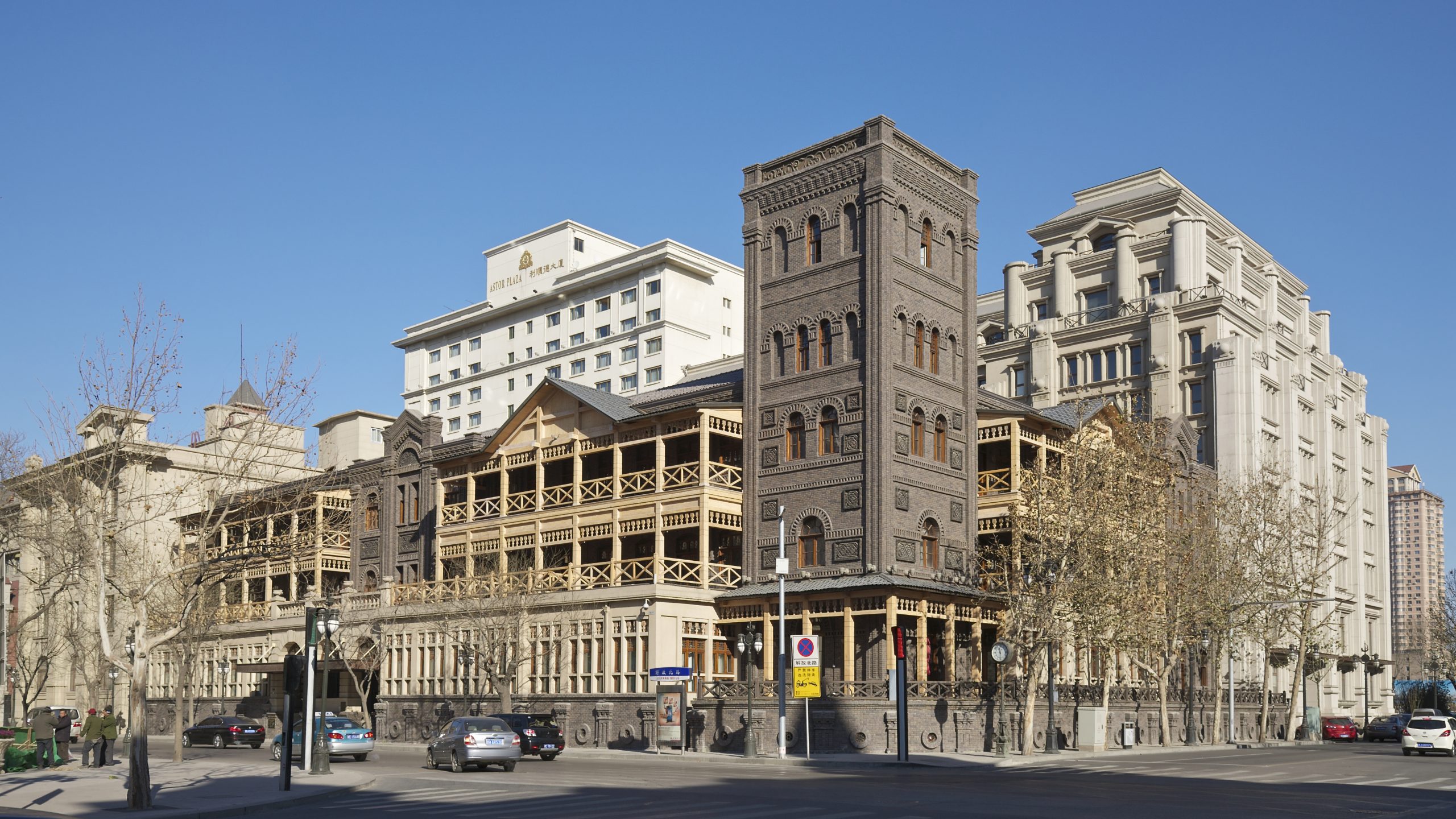
The Astor in Tianjin dates from 1863, and famously welcomed the Last Emperor, Pu Yi, in the 1920s after his exile from Beijing. Currently under the aegis of an international chain, the hotel was sensitively restored in 2010 when old brick walls, wooden trimmings, fittings, floors and doors were preserved down to the smallest detail.


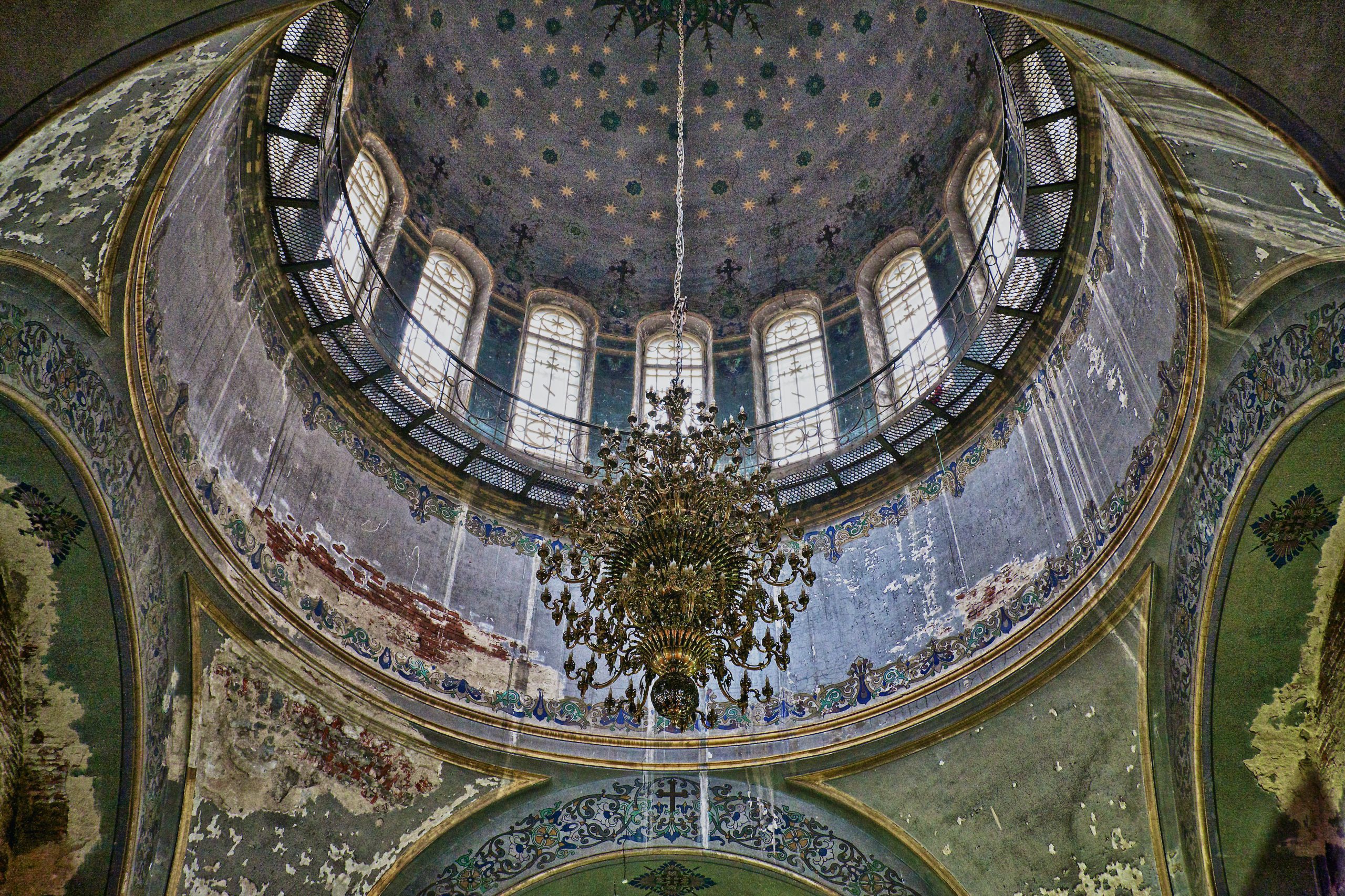
The intricate brickwork of St Sophia Cathedral in Harbin might well explain why it took so long to build (1923-32). Designed by the Russian architect, Koyasikov, it replaced a simpler church that dates to 1912.


The exterior has been elegantly restored but the interior has received no such attention.


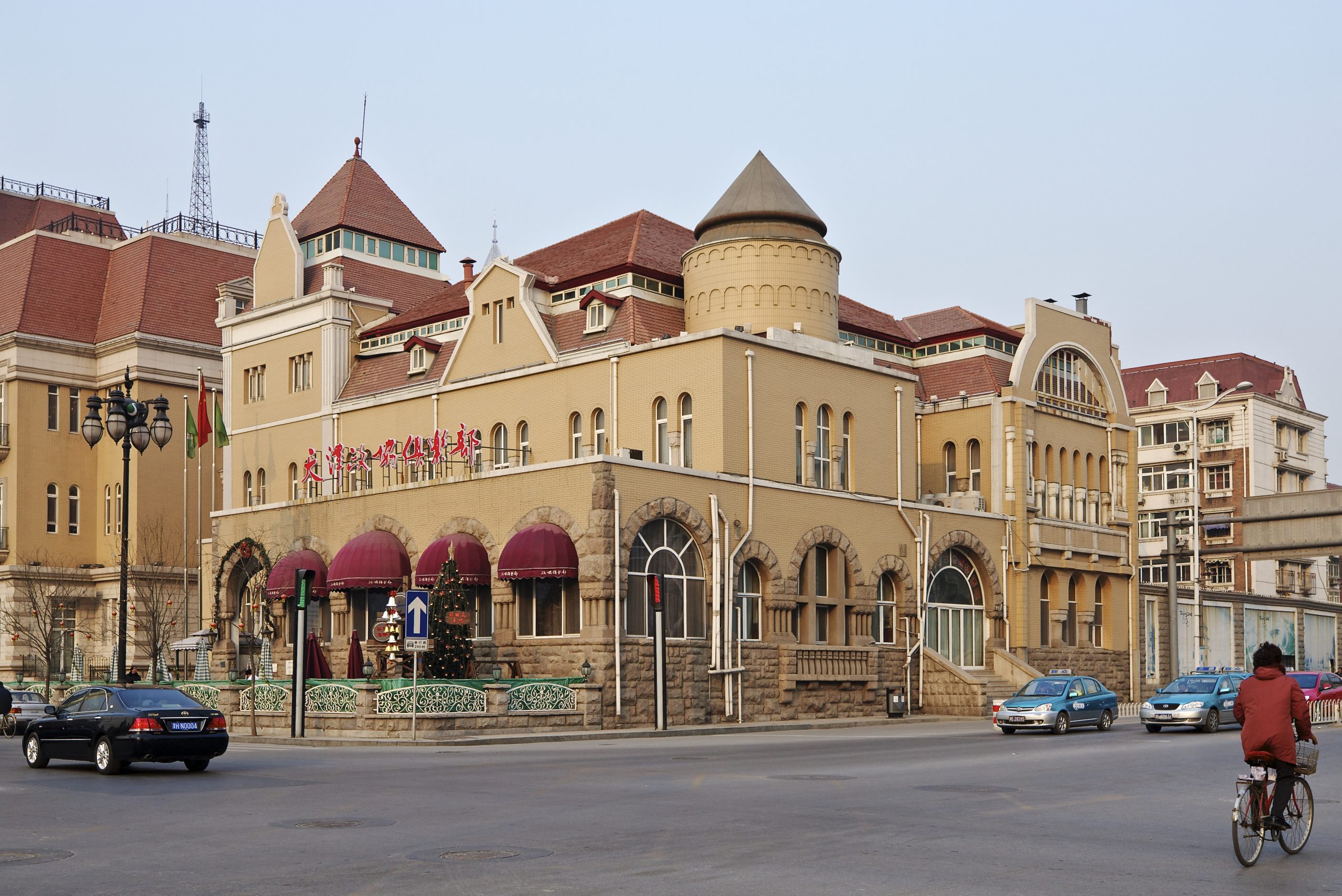
Clubs were the ‘sine qua non’ of treaty ports. The German Club Concordia (1907) in Tianjin was damaged during the 1976 earthquake, and only roughly patched-up.


Trade followed the flag and Customs followed trade. The Customs House at Wuhu, a hub for the rice and timber industries, was completed in 1919.


Kiessling restaurant is housed in what used to be the Victoria Café on Racecourse Road in Tianjin. As well as serving German food it also dispenses beer brewed on the premises.


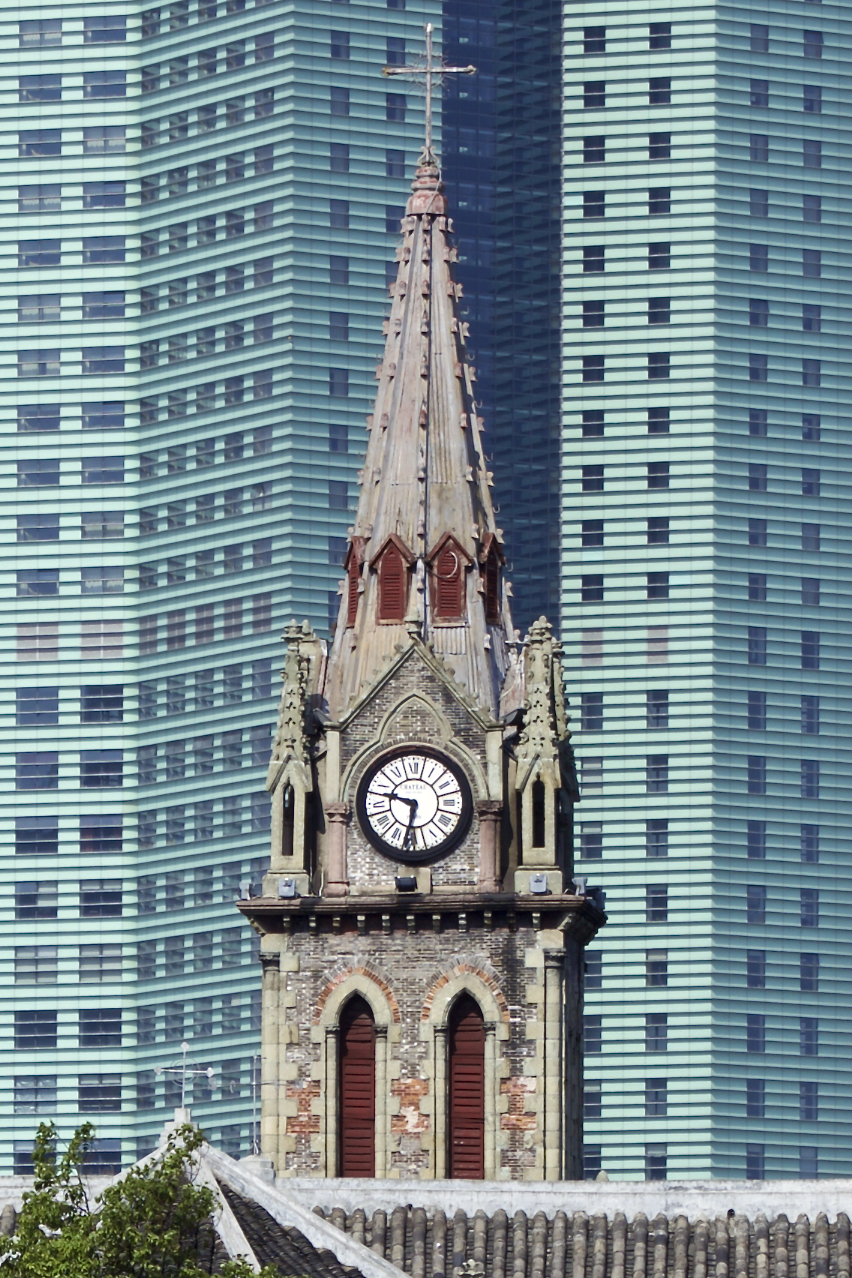
Inevitably, Ningbo’s Cathedral of the Sacred Heart (1872) is dwarfed – but not totally overshadowed – by skyscrapers.


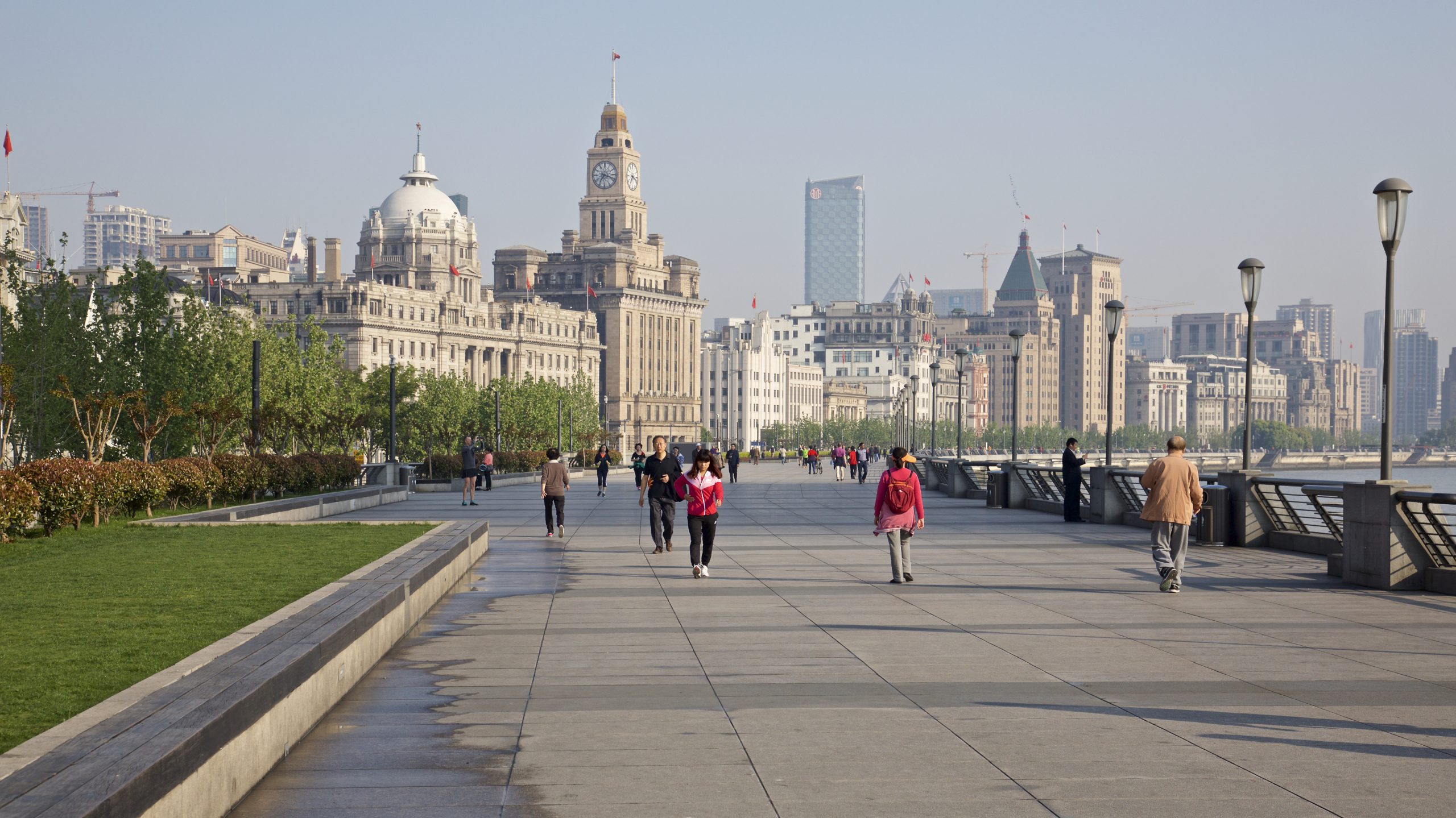
Shanghai’s Bund looks spectacular since its rejuvenation in 2012, when roads were diverted into tunnels beneath a broad pedestrian corniche. The major historic buildings were also restored, transforming the Bund into China’s most aesthetically pleasing metropolitan riverside vista.


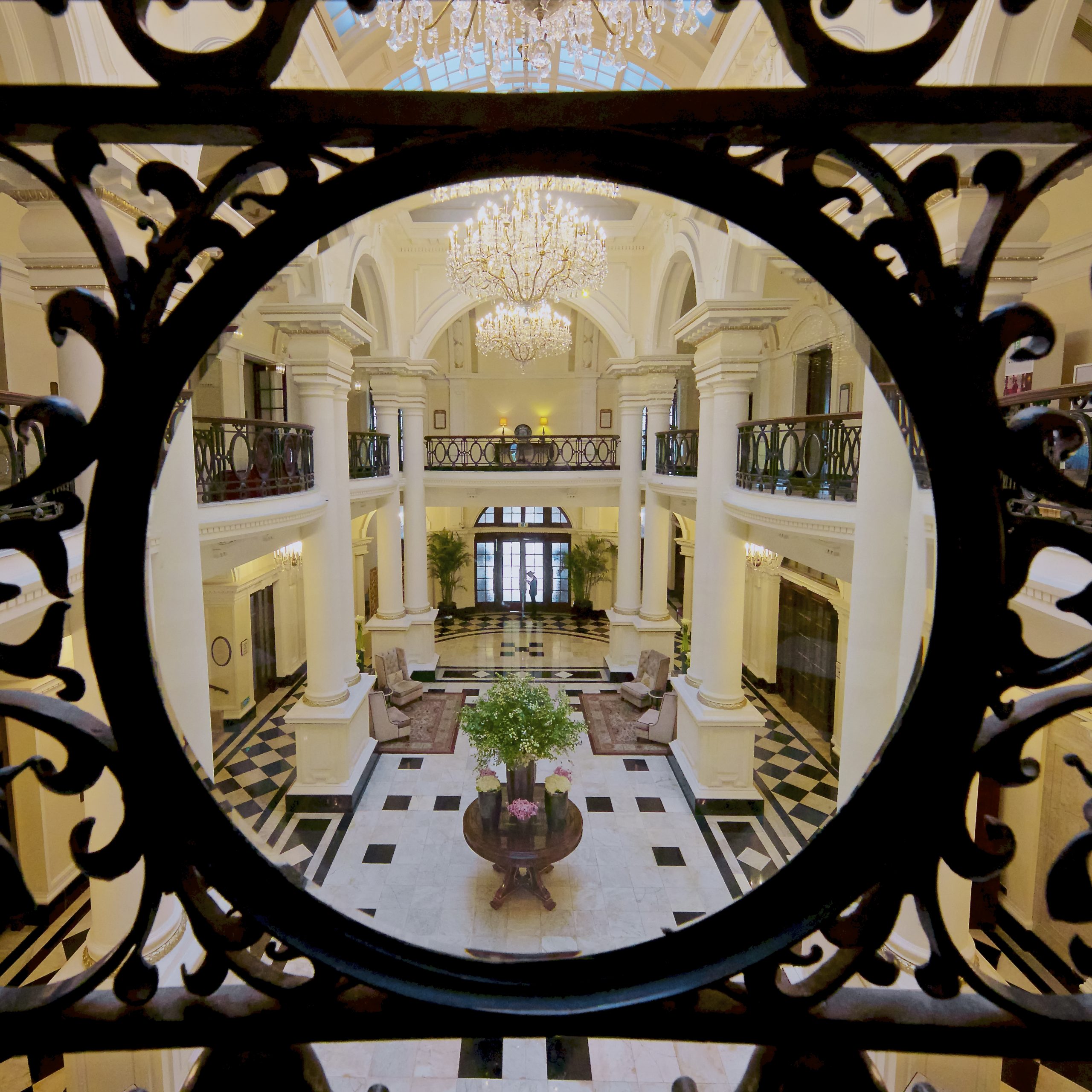
Interior of the Shanghai Club, looking down from the first floor towards the original entrance. This, the second iteration of the club, was opened in January 1910.


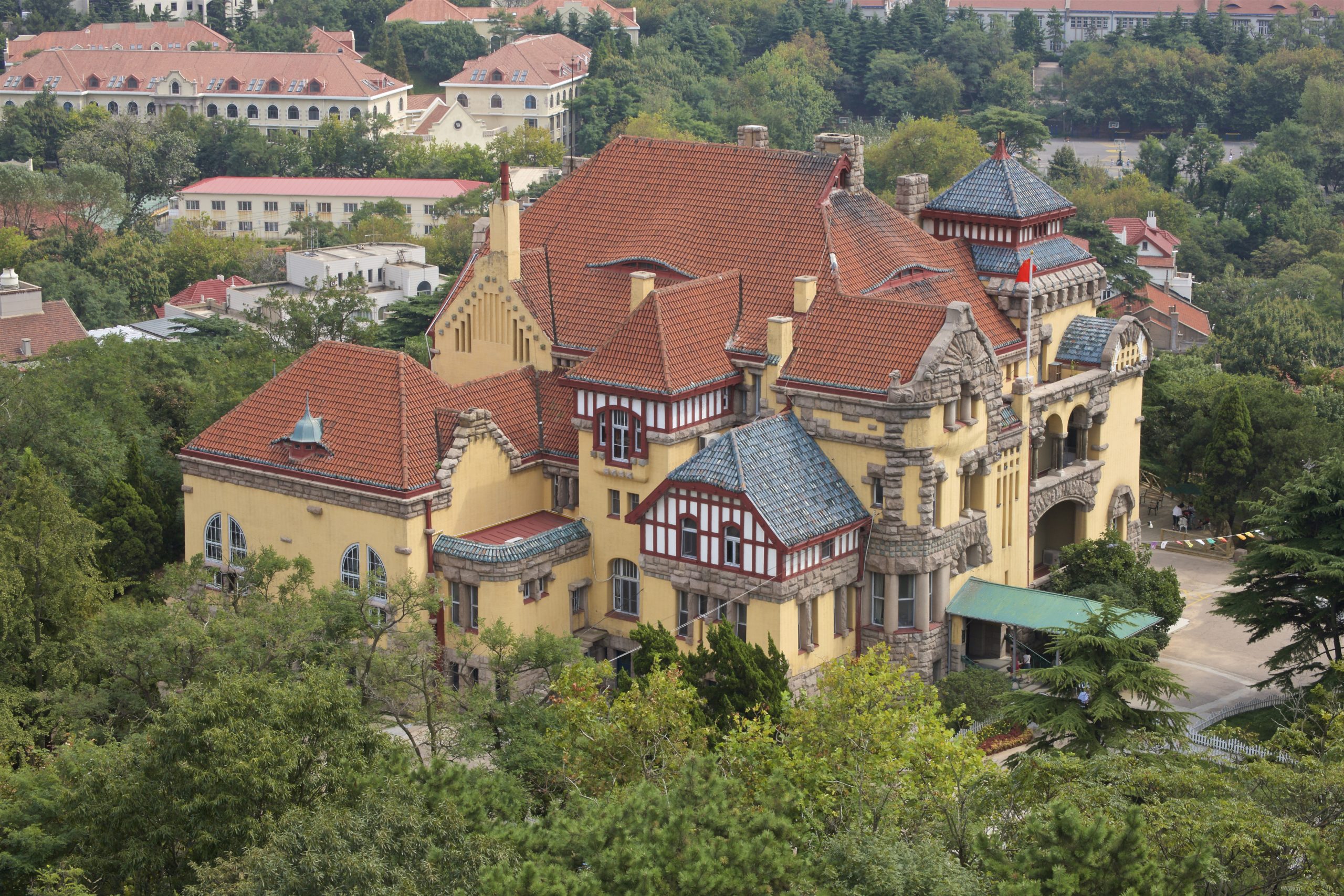
It could only be the Governor’s Mansion in the one-time German treaty port of Qingdao. Mao Zedong put up here from time to time.

On the Wall: Celebrating the Late Photojournalist Danish Siddiqui

The club’s Wall exhibit this October will be particularly poignant. Visit the FCC to appreciate “In the Moment: A Danish Siddiqui Retrospective”. The Taliban murdered Siddiqui, a 38-year-old, Pulitzer Prize-winning Reuters photojournalist, in July 2021 during an ambush in a town near the border with Pakistan.

After studying film at Jamia Millia Islamia University in India, the New Delhi native worked with the Hindustan Times and TV Today Network before joining Reuters in 2010. With Reuters, he covered everything from armed conflicts, natural disasters, COVID-19 challenges and political unrest all over Asia – including the 2019 Hong Kong protests.

“He was our eye. He gave voice and agency to thousands whose suffering might have been lost,” Farhat Basir Khan, a professor of mass communications at Jamia Millia Islamia University, said in a statement. “If a picture is worth a thousand words, his were worth millions.”

He was also on a Reuters team that won the 2018 Pulitzer Prize for Feature Photography for their coverage of Rohingya refugees fleeing persecution in Myanmar. “While I enjoy covering news stories – from business to politics to sports – what I enjoy most is capturing the human face of a breaking story,” Siddiqui said in a Reuters profile. “I shoot for the common man who wants to see and feel a story from a place where he can’t be present himself.”

Don’t miss this meaningful FCC exhibit, which will honour Siddiqui’s life and work by featuring a collection of his most memorable photographs.

From 1 to 31 October. Non-members are welcome from 10 am-12 pm and 3-5:30 pm daily.

Women in Journalism Confront Rising Tide of Violence

From perils in Afghanistan to incessant online abuse, female journalists navigate an increasingly dangerous profession. Emma Russell investigates.

When Kabul fell to the Taliban at the end of August, 28-year-old Zahra Joya knew she needed to flee her newsroom. “All the women were in the streets trying to get home because the Taliban were very near,” says the journalist, who sat in heavy traffic for four hours while trying to escape. “When I arrived at home it was nearly 5 pm and my whole family was worried about me – about the situation and the future of Afghanistan.”

Joya is from the oppressed Hazara community (which the Taliban has persecuted in the past) and has experienced discrimination due to her ethnicity and gender.

“I was almost always the only woman in the room,” she says. It’s the reason Joya established Rukhshana Media in 2020. Named after a teenager who was stoned to death for adultery in 2015, the women-run news platform strives to disrupt Afghanistan’s patriarchal media landscape and society.

Since its inception, Rukhshana Media’s reporters have vocally opposed the extremist Islamist group and published many sensitive articles, such as a feature on girls who have been banned from school in regional Taliban strongholds and a human interest piece on the life of a divorced woman. Rukhshana Media has also written about a female district governor, reproductive health, domestic violence and, since the takeover of Kabul, what it’s like to live in a city devoid of working women.

The country’s female journalists have long faced backlash on social media, but it’s physical violence towards women in media that scares them the most. “If I were not a journalist, I would have stayed in Afghanistan,” says Joya, who escaped to the UK and was in quarantine in Manchester during our phone interview on 3 September. “[But] I’m talking about the Taliban on my personal social media [as part of my job].”

“I received some comments on my personal Twitter account from Taliban militants that say ‘America is your God’, [and that] we should stop publishing propaganda.”


BY THE NUMBERS

73%
Of women in journalism have experienced online harassment

25%
Have received threats of physical violence

20%
Have been abused in real life following related online violence

Source: UNESCO
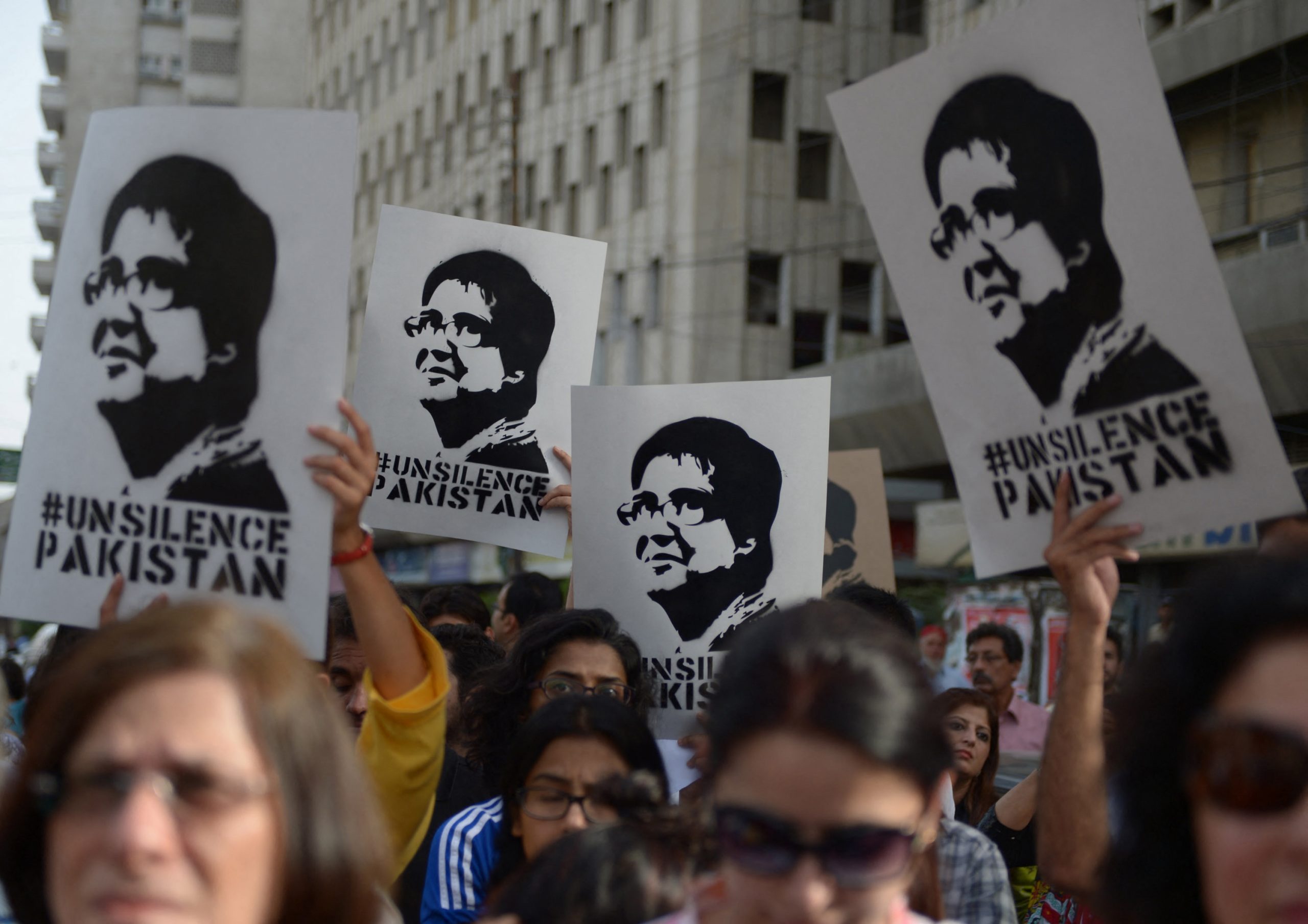


During a protest in Karachi in April 2015, Pakistani civil society activists hold images of assassinated rights campaigner, Sabeen Mahmud, who also ran a media and technology company. (Photo: AFP PHOTO / Rizwan Tabassum)

Joya says some of her interviews may have put in her in physical danger, too. For example, in 2018, Joya spoke with Taliban leader Abdul Salam Hanafi about women’s education and rights. “It is dangerous for myself and my family because [the Taliban militants] are still in Afghanistan. Maybe they follow [my family], I don’t know. It’s not clear yet.”

She has reason to worry. Female journalists have already been subject to targeted killings in Afghanistan. In December 2020, radio and television presenter Malalai Maiwand was gunned down outside a Jalalabad news station. A few months later, three more media workers, Mursal Wahidi, Sadia Sadat and Shahnaz Raofi were shot dead, too – and such violence against women is only expected to worsen with the Taliban’s return to power.

“All my female colleagues in the media are terrified. Most have managed to flee the city and are trying to find a way out of the province, but we are completely surrounded,” an anonymous 22-year-old journalist based in northern Afghanistan told The Guardian. “All of us have spoken out against the Taliban and angered them through our journalism.”

According to Reporters Without Borders (RSF) and the Centre for the Protection of Afghan Women Journalists (CPAWJ), only 39 female journalists were working in Kabul in early September. That’s down from 700 before the Taliban takeover, even though the militants have promised to protect women’s rights under Sharia (Islamic law).

Rukhshana Media still employs a handful of women, who stayed to document what’s happening on the ground. But it’s a dangerous choice. One female journalist, who decided to remain in Afghanistan and requested anonymity, said: “If we die, we die. If we don’t, we will have survivor’s guilt.”


SHOW SOLIDARITY

To support women who have been targeted online or offline, media companies can:

  • Offer training days, guidance and in-house policies
  • Invest in cybersecurity software to secure communications
  • Establish channels for reporting abuse
  • Create a company culture that encourages female journalists to report abuse
  • Implement audience moderation strategies, such as blocking abusive posts
  • Stand up for female reporters by issuing statements of solidarity
  • Provide support for journalists, particularly women, BIPOC and LGBTQI+ reporters
  • Ensure access to affordable mental healthcare
  • Provide legal assistance

Source: International Press Institute
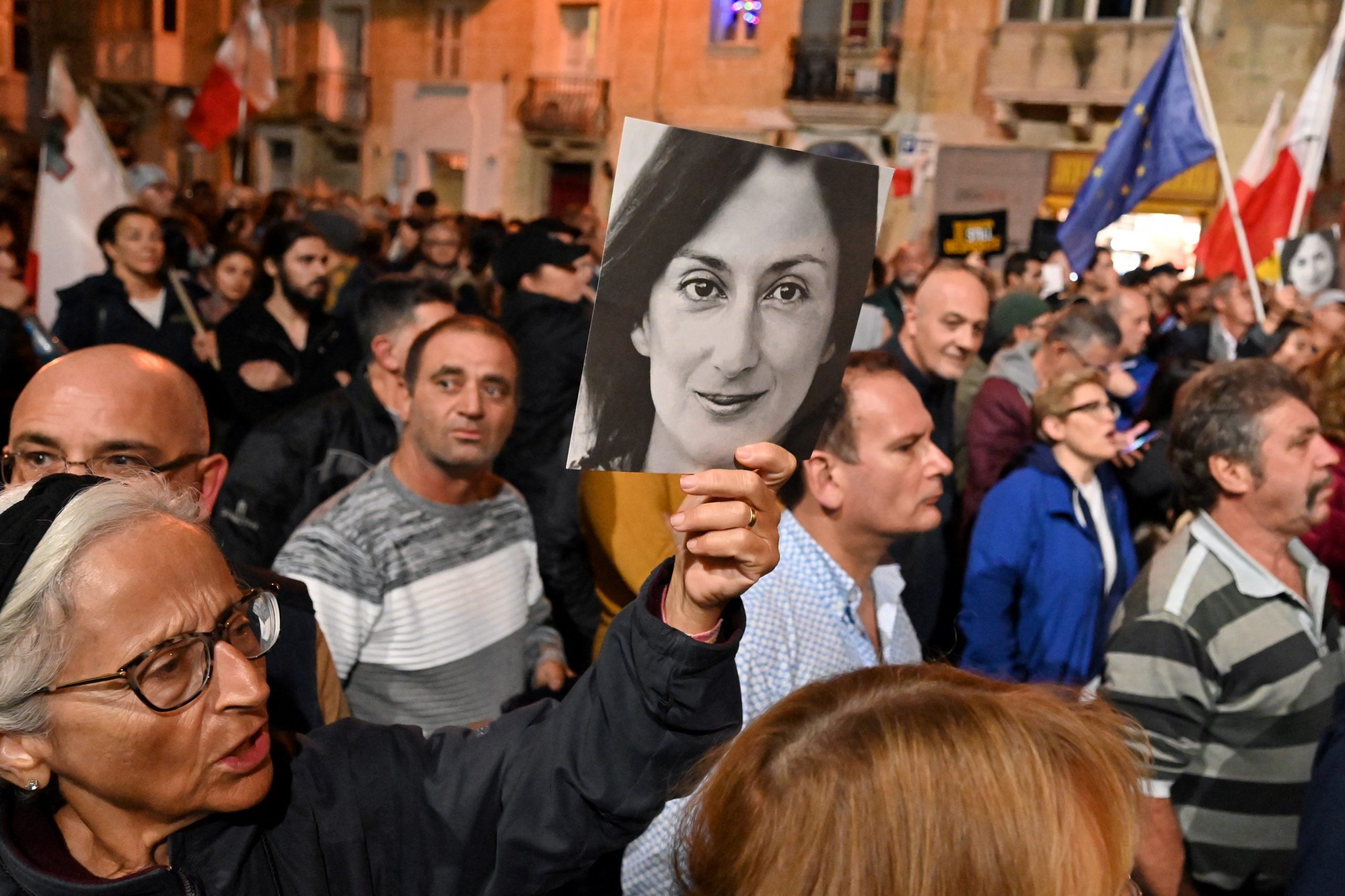


People hold placards and photos of murdered Maltese journalist Daphne Caruana Galizia during a protest in Valletta on 3 December 2019. (Photo: Andreas Solaro / AFP)

A global issue

Threats to women in journalism aren’t limited to Taliban rule in Afghanistan. In Pakistan, female reporters face two sorts of threats, says freelance journalist Sabahat Zakariya. The first comes from the establishment, an army state that silences anti-government sentiments; the second, from readers.

In the comments section of Zakariya’s online articles and videos, which cover women’s treatment and rights in Pakistan, the journalist has been called a host of derogatory names: “whore,” “bitch,” “bastard woman” and the dismissive label “auntie” (which in Pakistani culture implies a woman is old and unattractive).

“As if somehow my value lies purely in how youthful or conventionally attractive I am as a woman,” says the freelance broadcaster, who has reported for the BBC and UNICEF. Other commenters have made specific threats: one man posted that he “would like to put a gun up [her] ass and shoot it.”

Zakariya tries not to take the comments to heart. However, in a country that once ranked sixth-most dangerous in the world for women with cases of rape, sexual abuse, domestic violence and murder on the rise, it’s difficult to shrug them off entirely – particularly when those threats materialise in the real world.

“A friend of mine, Sabeen Mahmud, who was a activist, was killed because of her ideas and views,” says Zakariya, referring to the 2015 shooting of a prominent Pakistani female righs activist who founded a media-technology firm and a community space for open dialogue. “Did she think that some threats she received weren’t real? Maybe. So it’s really hard to say.”

In Egypt, too, female journalists have been attacked. In 2011, on the night former Egyptian President Hosni Mubarak’s dictatorship fell, CBS war correspondent Lara Logan was sexually assaulted in Cairo’s Tahrir Square.

According to an article she wrote for Women’s Media Centre, Logan said agents from the Mubarak regime who were “intent on discrediting the revolution” targeted her.

“Sexual violence is a way of denying women journalists access to the story in Egypt,” Logan told the New York Daily Post after the attack. “It’s not accidental. It’s by design.”

Even in countries with laws and cultural norms that seemingly protect women, female journalists still face risks. In 2017, Danish entrepreneur Peter Madsen murdered and dismembered Swedish journalist Kim Wall onboard his homemade submarine off the coast of Copenhagen. Prosecutors said Madsen deliberately targeted female journalists, inviting several women before Wall accepted.


DO YOUR PART

The FCC strives to provide a safe place for members to work, network, learn, attend events and socialise.

Complaints about gender, racial and ethnic slurs or derogatory sexual terms or any form of bullying or harassment will be taken seriously.

Any member found to be in breach of this policy is subject to disciplinary measures. Sexual harassment may also entail civil and criminal liabilities.
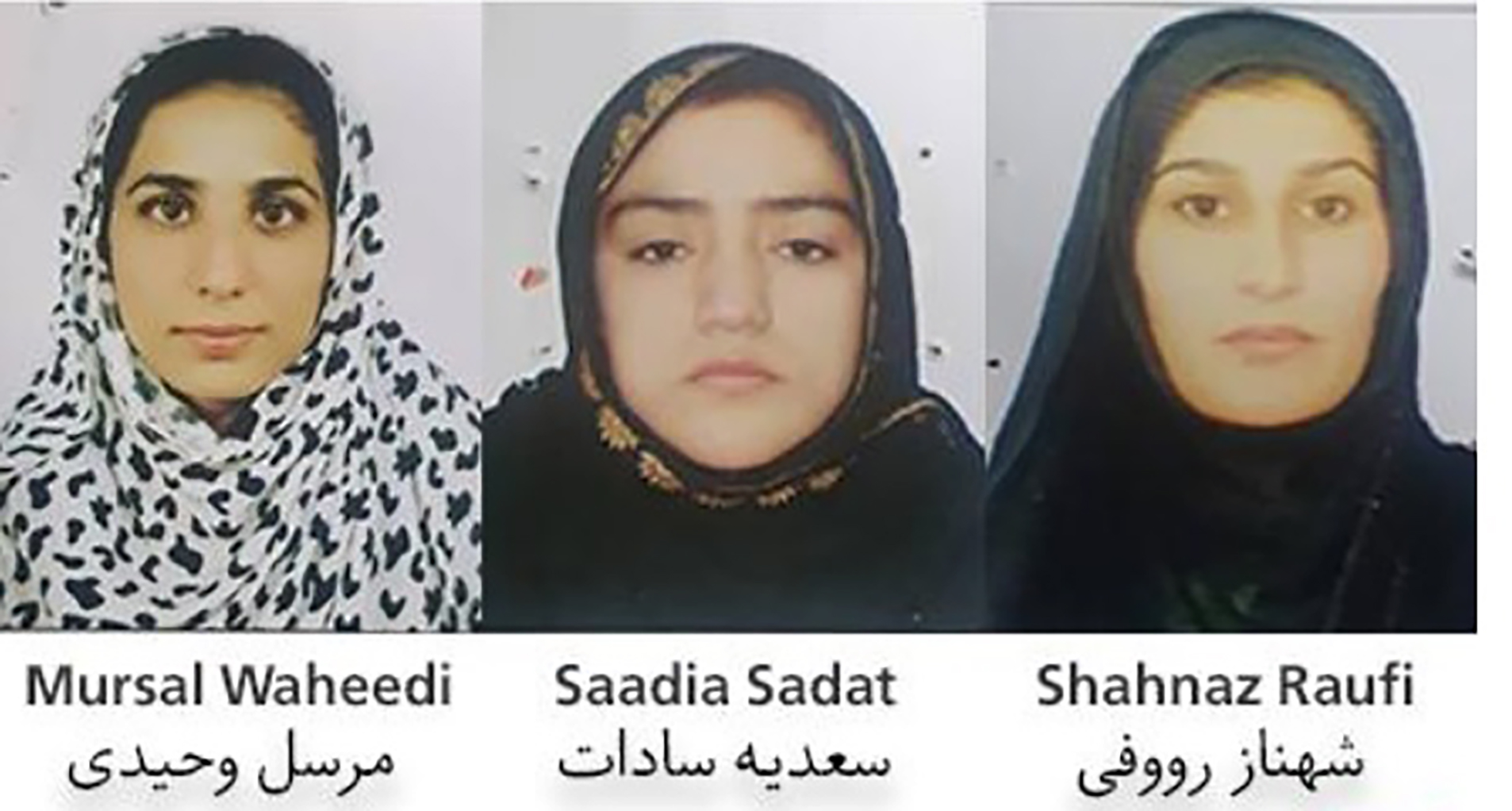


ISIS claimed responsibility for killing Enikass TV employees Mursal Wahidi, Saadia Sadat and Shahnaz Raofi (left to right) on 2 March 2021. (Photo: Enikass TV/Facebook)

Online harassment ‘worse than normal’

A UNESCO report, “The Chilling: Global Trends in Online Violence Against Women Journalists,” released earlier this year, found that nearly three-quarters of the 901 female journalists surveyed had experienced some form of online harassment.

This complements earlier findings by the Committee to Protect Journalists, which in 2017 found that journalists had received online threats before they were murdered in at least 40 percent of cases. This includes the deaths of Maltese investigative journalist Daphne Caruana Galizia and Indian journalist Gauri Lankesh.

A 2021 survey conducted by the International Center for Journalists found that 16 percent of women journalists said that online abuse was “much worse than normal” during the pandemic. Based on the report, a greater reliance on social media for newsgathering, live broadcasting and audience engagement drive the trend.

For example, New York Times journalist Farnaz Fassihi has faced online attacks from Iranian opposition groups and trolls in recent months. “They circulated a death threat video against me with my picture. They doxxed [discovered and disclosed] my home address and called for people to find and attack and rape me,” Fassihi told the Overseas Press Club of America in August 2021.

Zakariya, in Pakistan, blames the abuse on “anti-colonial drives or anti-imperialist sentiment.” There is a feeling, she says, that “feminism somehow symbolises a Western ideal, which has been imposed upon our culture.”
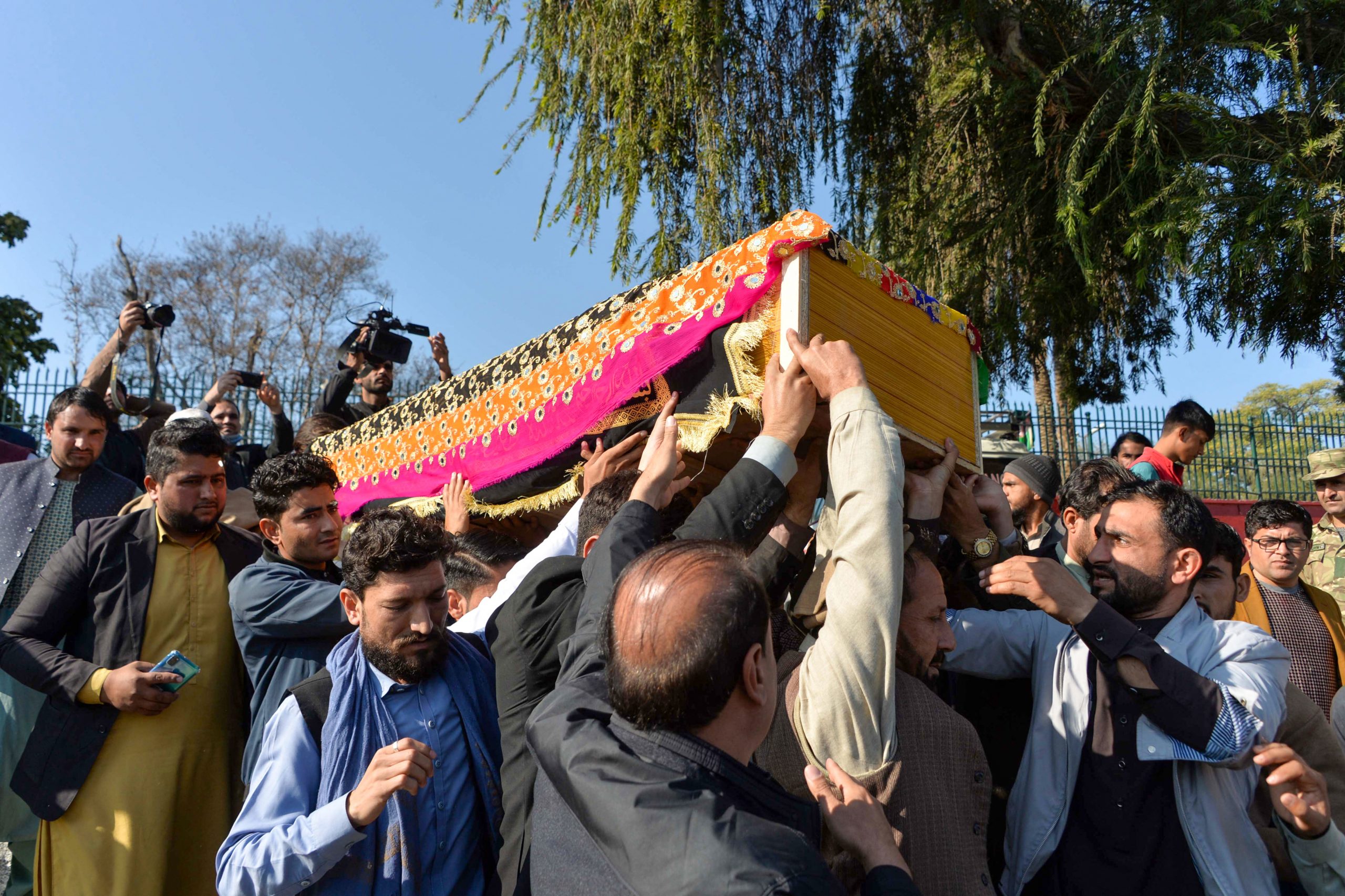
Mourners carry the coffin of female news anchor Malalai Maiwand Mourners carry the coffin of female news anchor Malalai Maiwand, who was shot dead in Afghanistan in December 2020. (Photo: Noorullah Shirzada / AFP)

The nature of the job is another factor. Today’s journalists are often expected, if not required, to use social channels like Twitter as part of their work. “I think Twitter is the worst of the social media platforms, just because of the quickened and masked flow [of abuse] that happens,” US journalist Jessica Valenti told Amnesty International. “The content feels pretty similar across the platforms but the sheer volume of it on Twitter is different.”

Rappler’s Maria Ressa, in the Philippines, says Facebook should do more to protect journalists. The platform considers journalists to be public figures, which is problematic, she says. According to Facebook’s policies, the platform protects private individuals from bullying and harassment, but not public figures.

“Online violence against women journalists is designed to belittle, humiliate, and shame; induce fear, silence and retreat; discredit [women] professionally, undermining accountability journalism and trust in facts; and chill their active participation (along with that of their sources, colleagues and audiences) in public debate,” reads the UNESCO report, which tallies 2.5 million social media posts directed at UK-based Guardian journalist Carole Cadwalladr and Manila-based Filipino-American journalist Ressa.

In response to an investigative series on government disinformation, Ressa received an estimated 90 hate messages per hour on Facebook. They amount to “an attack on democratic deliberation and media freedom”, says the UNESCO report. Such abuse not only impacts the public’s right to access information but also normalises abusive online discourse.
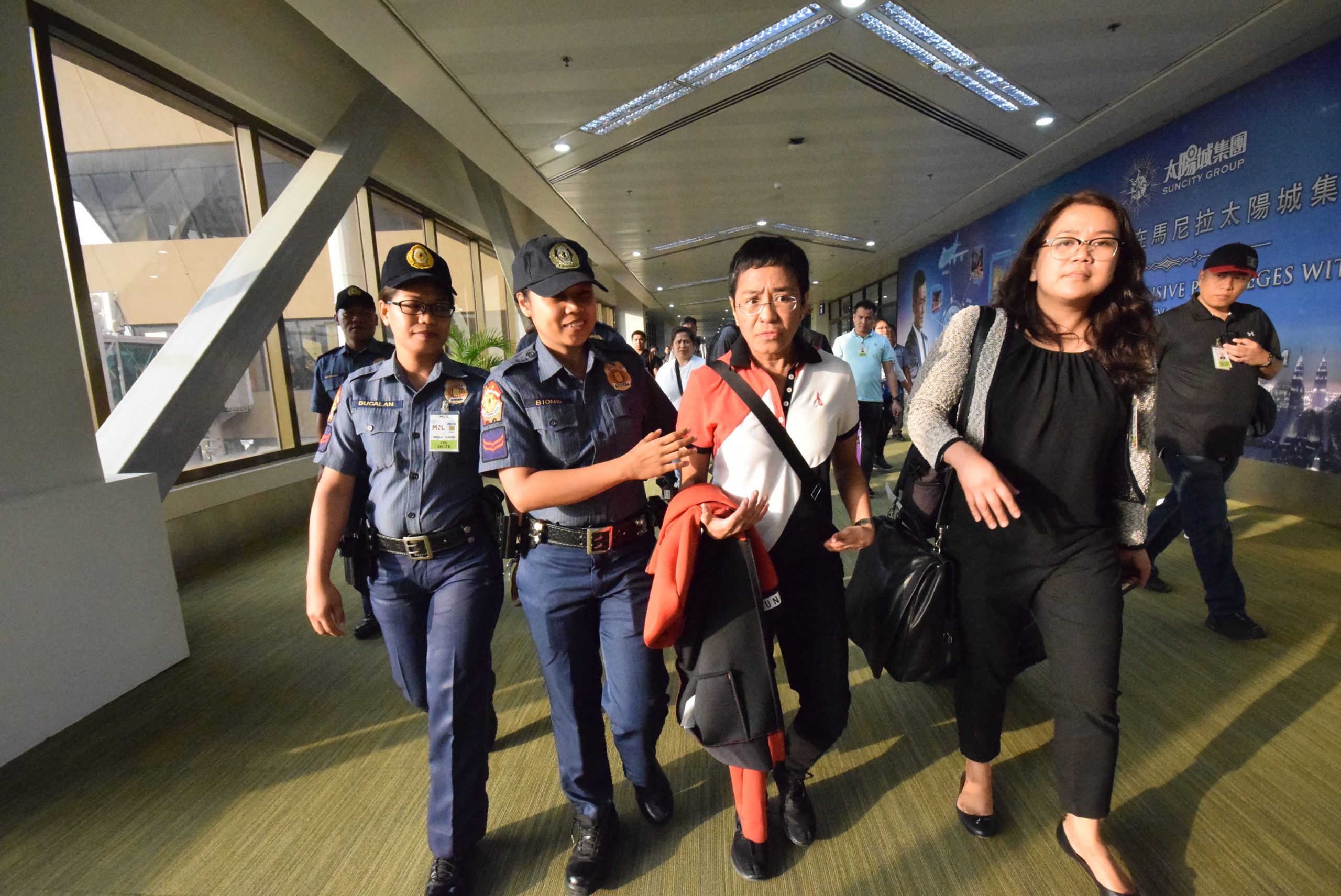
Police escort Philippine journalist Maria Ressa Police escort Philippine journalist Maria Ressa (second from right) through the airport in Manila on 29 March 2019. (Photo by STR / AFP)

Impacts on the industry

Whether online or offline, harassment and violence against female journalists directly impacts employment, productivity, mental health and safety. Of the women surveyed by UNESCO, 11 percent of victims of online violence missed work, 38 percent made themselves less visible both online and in public,
4 percent quit their jobs and 2 percent left journalism altogether.

And with newsrooms slashing budgets (the US has seen a 26 percent fall in employment since 2008, according to Pew Research Center), there’s even less support than usual.

“Even the most open-minded media organisations are still run by men who don’t fundamentally understand the misogynistic nature of these attacks,” one American reporter, who didn’t want to be named, told Vanity Fair. “I really feel like there’s a space here for some male allies to step up and call this what it is.”

She pointed to examples of times where a story had multiple bylines, yet only the female writer was harassed online. These campaigns of abuse impact women’s emotional and psychological wellbeing, even leading to post-traumatic stress disorder in some cases.

It can also drive some women to censor themselves or leave their jobs altogether. In the case of deeply patriarchal societies and political upheaval like Afghanistan, says Joya, the threat of physical violence was terrifying enough to flee the country.

It’s important that “we have seen women’s voices in this crisis,” says Joya, adding that Rukhshana Media has started publishing in English to make coverage more accessible. “But now that the Taliban have taken over, women have lost their freedom of expression, their right to work and education.”

“I’m very worried about journalists,” she continues. “They don’t have any safety.”

 

Emma Russell

Emma Russell is a Hong Kong-based freelance journalist specialising in features and profiles that have appeared in publications like VICE, i-D, The New Republic and HKFP. She has also worked at Vogue HK and Conde Nast Traveller.

From the President: In Praise of Journalism’s True Unsung Heroes

Dear FCC Members,

For this column, I would like to give a shout-out and a thank you to all the interpreters, fixers, drivers and office assistants around the world who regularly risk their lives to help foreign correspondents get the story. They rarely get the bylines and the glory, but these brave media workers are journalism’s true unsung heroes.

The last two weeks of August were filled with harrowing stories of international media outlets going to great lengths to get their local employees and their families out of Afghanistan following the Taliban takeover. Every report of an interpreter making it out safely with their family members has been a cause for cheer.

I covered the first decade of the Afghanistan war as a correspondent for The Washington Post, starting with the American bombing and the Taliban retreat from Kabul in 2001 and making multiple trips to the country until 2010. I remember all of the Afghan interpreters and drivers who supported me on every visit. 

They helped me navigate the country’s byzantine tribal politics, warned me when a highway was too dangerous to travel and accompanied me on trips from Kandahar in the south to Kunduz in the north. Most left Afghanistan a long time ago and I am eternally grateful to them all.

I also fondly remember my longtime interpreter and my driver from Somalia from when I was the Post’s Africa correspondent covering the 1990s US military intervention. They were always waiting for me at Mogadishu airport when I flew in from Nairobi; they waded into angry crowds with me to interview witnesses to the most recent military clash, and they dutifully went along with my boneheaded ideas to drive to faraway towns like Baidoa and Bardera in our battered white Toyota. They kept me safe, and I thank them.

Some of my former interpreters and drivers I came upon by chance. In Iraq, I found my interpreter through the Red Crescent Society in Basra at the start of the 2003 US-led invasion when I drove across the border from Kuwait; he stayed with me for the next few weeks. 

Flying into Casablanca in 2003 to cover a series of suicide bombings, I found a taxi driver who spoke good French and hired him on the spot for the next week. In Kinshasa, adrift without a fixer, I wandered onto the university campus, found the English Department and asked a professor for his best English-speaking student, who became my regular guide.

Many of the local hires I worked with were longtime Post employees, and they always showed dedication and loyalty, even though most had never set foot in the head office in Washington, DC.

In China, interpreters and fixers are called “news assistants”. They are journalists, although, under Chinese rules, they were not allowed to have bylines. I was lucky to have three of the absolute best in Beijing from late 2009 through 2013. They found scoops, accompanied me on trips and translated the Chinese papers and social media sites for me. And our longtime Post driver could somehow get me through Beijing’s notorious traffic jams in record time.

Some have gone on to become journalists in their own right. One star is the intrepid Atika Shubert. She started as my interpreter and fixer in Jakarta when she was just out of university. She later became The Washington Post stringer in Indonesia, writing stories when I was back in Hong Kong, and together we covered the Jakarta riots and the fall of the Suharto regime in 1998. She covered the independence vote and the militia rampage in East Timor for the Post, among many other stories, before joining CNN, where she is now a European correspondent.

Behind every good foreign correspondent, there’s an interpreter, a driver, a fixer or a news assistant. They rarely get the recognition they are due. Let’s take a moment to sing their praises.

Keith Richburg
Hong Kong
6 September 2021

We measure site performance with cookies to improve performance.