
How to be an ethical journalist in 2025 — an FCC panel discussion
By Hugo Novales
Newsrooms across the globe are facing increasing ethical challenges in their daily work.
AI-generated content, political pressure and bias, the dangers of reporting in conflict zones, internet and visa restrictions — all of these (and more) are just a few examples of the hurdles the average journalist must overcome in pursuit of fair and accurate reporting.
With all these challenges, how can a journalist maintain their professional integrity?
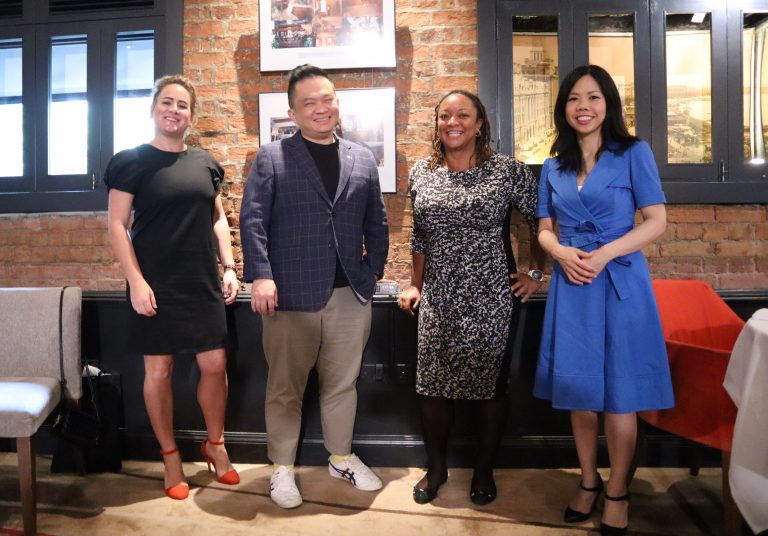
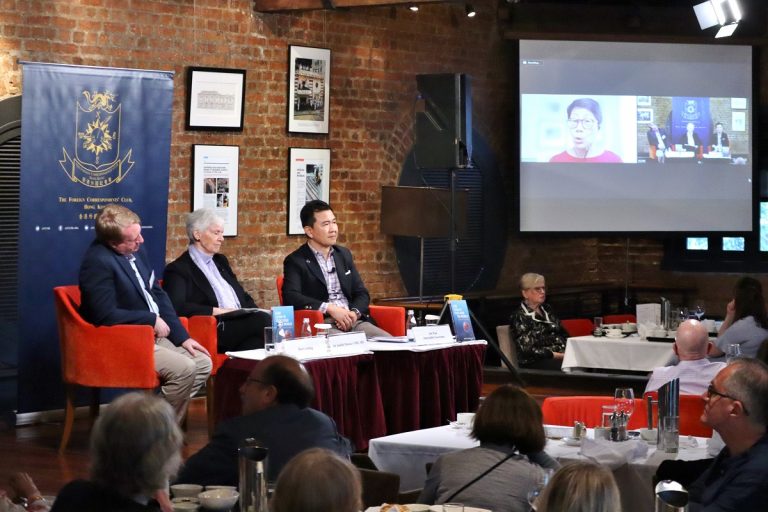
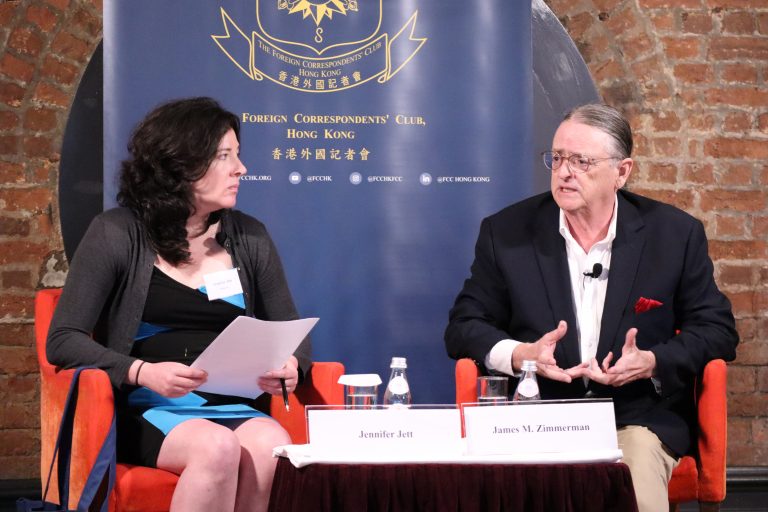
To answer this question, FCC Correspondent Governor Jennifer Jett hosted a fully-booked Club Lunch with two ethics experts: Selina Cheng, Chairperson of the Hong Kong Journalists Association (HKJA), and Eric Wishart, the Standards and Ethics Editor at AFP and author of the new book Journalism Ethics: 21 Essentials from Wars to Artificial Intelligence (2024).
The first topic the panel discussed was the idea of “good Hong Kong stories.”
John Lee, Chief Executive of the Hong Kong Special Administrative Region, has been promoting this idea of “good Hong Kong stories” as far back as July 2022. He included this concept in his Policy Address in October of the same year.
“Good Hong Kong stories” has been met with confusion and skepticism among Hong Kong newsrooms — most notably Hong Kong Free Press, which summarized its failed efforts to engage with the local government in a January 2024 feature story.

“One thing I hear is that journalists are supposed to tell good stories about Hong Kong. That’s not our job. We’re not propagandists. We should neither tell good nor bad. We should just tell what’s happening,” said Wishart, a former FCC President.
Cheng also said concepts like “good Hong Kong stories” and other top-down initiatives may conflict with the objective of journalism, especially the work of investigative journalists and other reporters working with sensitive information.
“Are you supposed to be a watchdog and speak for those who are voiceless, bring to the surface things that society didn’t know, or are you supposed to channel and agenda, promote values that are allowed?” she said.
Cheng was also asked about censorship and self-censorship in Hong Kong, and in particular how journalists should proceed with their daily work when the lines between what can and cannot be reported aren’t so clear.
First, Cheng explained the differences between censorship and self-censorship. She defined censorship as a situation where a news story doesn’t get published or is deleted after it’s published, while self-censorship is a choice by the individual journalist as to whether they should write about a specific topic out of concern for their job security or personal safety.

“If you want to live longer, you’ve got to play it safe,” she said, highlighting how self-censorship has become more common not just in Hong Kong, but in other regions across the world including the United States.
Cheng also gave broader advice to journalists and newsrooms who wish to maintain their audience amidst an ever-evolving social media landscape that sees not only newsrooms, but social media influencers, independent news companies, government-run media organizations, and other online entities all competing for attention from daily internet users.
The solution: maintain consistency with the quality of your work — and most importantly, your ethics code — in order to continuously deliver a product that your followers need.
“We already know that people are not just consuming information from news, they’re consuming from a whole host of other channels. If you’re not being relevant to your news readers, your consumers, they’re not going to like you anymore,” she advised.
The panel also discussed the proper methods for reporting on mental health and suicide, how to maintain objectivity despite having personal opinions, false balance, and other journalism-related topics.
To watch the full discussion, please visit the FCC’s YouTube channel: