
Up-close and personal with Tyler Brûlé, editorial director of Monocle
By Hugo Novales
What makes a good magazine? Is the glossy finish on the cover? The immaculately styled photoshoots and exclusive interviews? Tyler Brûlé, editorial director of Monocle magazine, may have the answer.
Since 2007, Monocle has been committed to perfecting the art of making a good magazine. Published 10 times a year, each issue of Monocle aims to be an all-in-one stop where readers can get updates on global affairs, business, culture, design, and more.
Monocle has since expanded its empire, offering shops and cafés in various locations across the world — including Hong Kong International Airport and Wan Chai.
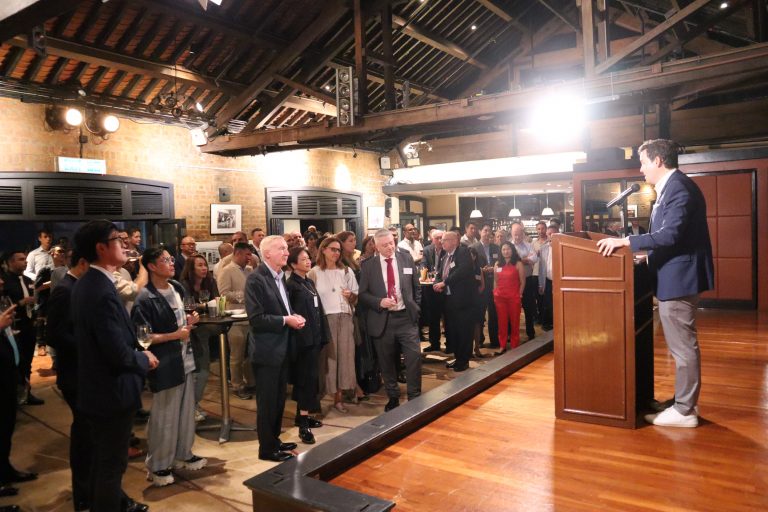
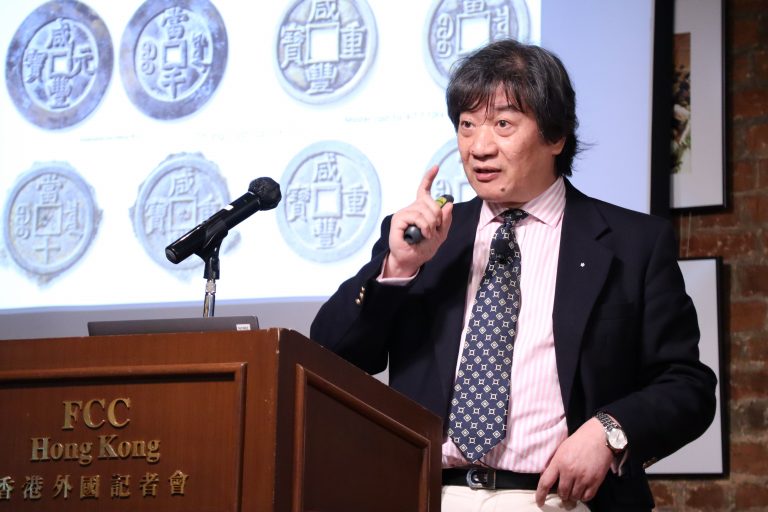
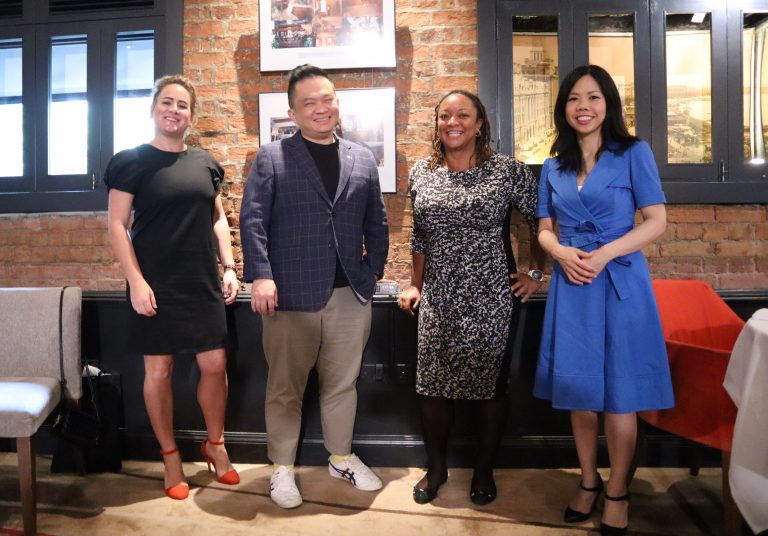
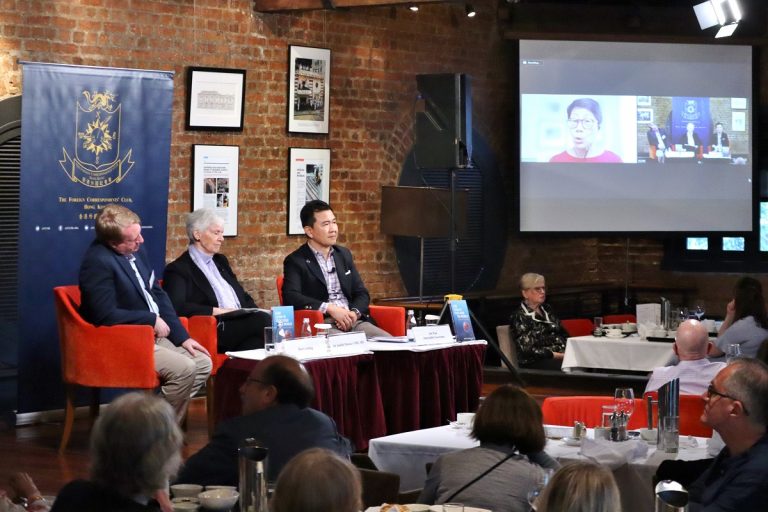
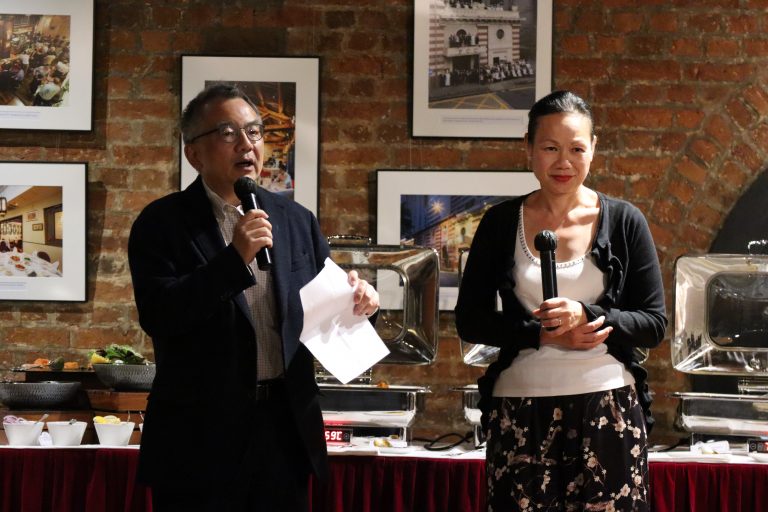
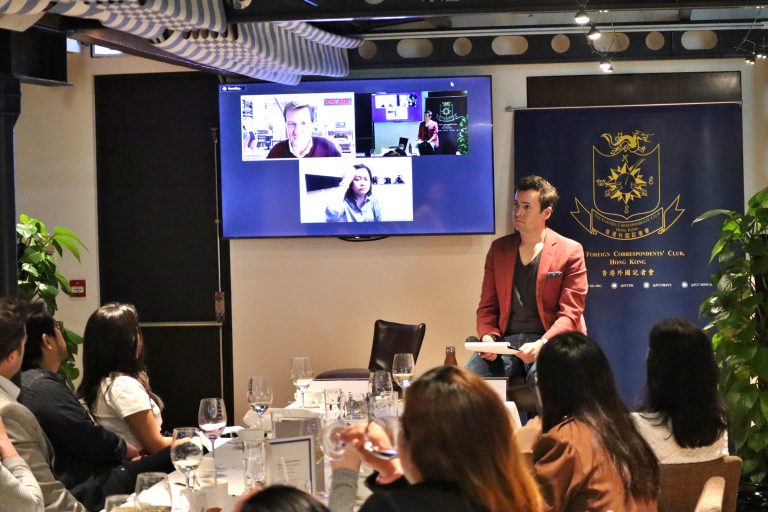
The FCC had the rare chance to have an intimate, wide-ranging conversation with Brûlé at a Club Lunch moderated by Correspondent Board Governor Lee Williamson, who kicked off the event with a quickfire barrage of hotseat questions.

Describe what you do in one sentence:
“Discover.”
What is Monocle?
“A global briefing on better living.”
What is a travel hack you swear by?
“Hotel laundry.”
What do you never go on a trip without?
“Full-charged credit card.”
Tell us something that would surprise most people about you:
“Messy.”
Hong Kong or Singapore?
“Oh God, set me up… Bangkok!”
Brûlé endured the hotseat effortlessly and was even applauded by the audience for his willingness to participate.
He was then asked how he created Monocle, and what inspired him to become a journalist, editor, and entrepreneur.
“I didn’t always want to be a journalist. I wanted to be a fighter pilot,” he said.

Inspired by fellow Canadians who had successful careers in American broadcasting, Brûlé later covered the war in Afghanistan for Focus, a German news magazine. While driving through Kabul in 1994, the UN-branded Nissan that he and his interpreter were traveling in was shot 39 times. Brûlé was hit twice while his interpreter was hit 4 times. Both survived.
It was while being treated in hospital that Brûlé began thinking about his future and what he would really like to accomplish with his career.
“Whatever I do next, I would like to set up my own organisation,” was what he thought then.
The idea for Monocle’s unique approach to print came from Brûlé’s observations at airport bookshops. He noticed how other travelers consumed print magazines: they’d first pick up the serious publications covering business and global affairs before switching to lighter, fun reads.
“Why don’t we just do both? Why don’t we just merge that idea and put all of that under one roof?” Brûlé said.
Monocle published its first issue in March 2007; this November saw Monocle produce its 188th issue. Monocle’s print empire also offers various books on design, city and travel guides, and more. What’s absent from Monocle is a large online presence, highlighting Brûlé’s commitment to print.
“Who has ever been to the launch of a website? You don’t go to a website signing, do you?” he said, while further elaborating that publications who choose to use social media stylistically conform to whichever platform they’re using and risk losing their unique identity.
Brûlé further dove into his philosophy behind designing a good magazine.
“I believe [that] magazines should be bookish, that they should be objects, and I think that’s more true than ever,” he said.
Given that this talk was hosted at the FCC, Williamson then took the opportunity to ask how Hong Kong can improve its ranking on Monocle’s Quality of Life Survey that’s published annually. This year, Paris took the top spot — scoring the highest in nightlife, housing, transportation, and other criteria.
To date, Hong Kong hasn’t made it onto Monocle’s top ten list. Brûlé explained Monocle’s judging method.
“There has to be minimum friction on every level,” he said, adding that, “Does a city allow you to have a maximum number of experiences a day?”
While dodging Williamson’s previous hotseat question about whether he liked Hong Kong or Singapore more, Brûlé affirmed that he was still a bigger fan of Hong Kong’s, citing the city’s “snap and excitement” that has, in his opinion, more character than Singapore.
This was his 7th time coming to Hong Kong in 2025 alone, and Brûlé praised the city for its muched-needed bounce back from the Covid era that resulted in travel and nightlife restrictions that dampened Hong Kong’s livelihood.
“Things are feeling better here,” Brûlé said, while offering advice that Hong Kong should be more vocal about its accomplishments and should aim to be more dynamic moving forward.
To watch the full discussion, please visit the FCC’s YouTube channel: