
Preserving Hong Kong’s heritage buildings: an FCC panel discussion
By Hugo Novales
For 43 years, the FCC has been a proud custodian of its Grade 1 historic building on Lower Albert Road. Formerly a dairy farm depot, the building has been repurposed into a hotspot for Hong Kong’s journalism community, as well as business leaders, lawyers, diplomats, and professionals across various industries.
In 2026, the FCC became part of the Built Heritage Alliance, a new organisation in Hong Kong dedicated to preserving the city’s cultural legacy. With brickwork dating back to the early 1900s and uniquely-crafted tiles, nearly every inch of the FCC has a story that could go unnoticed by the average person.
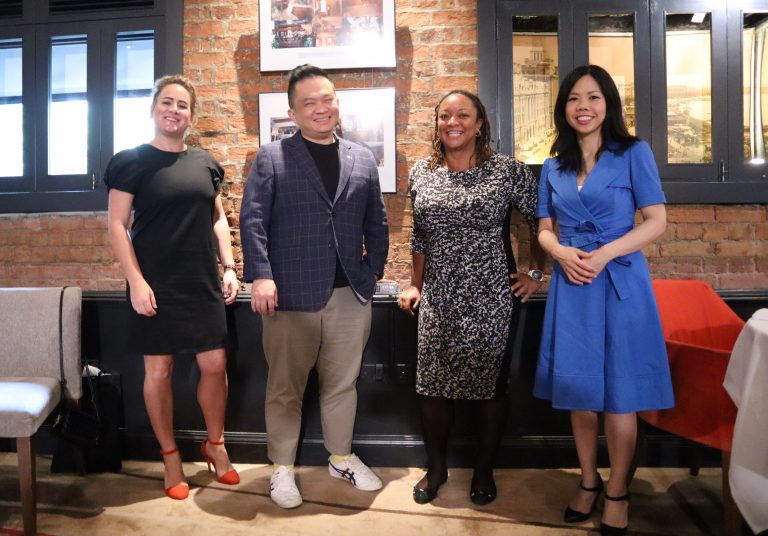
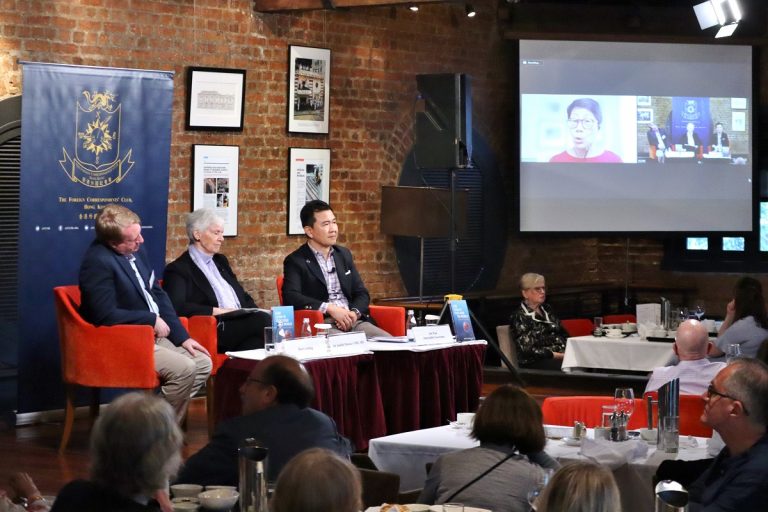
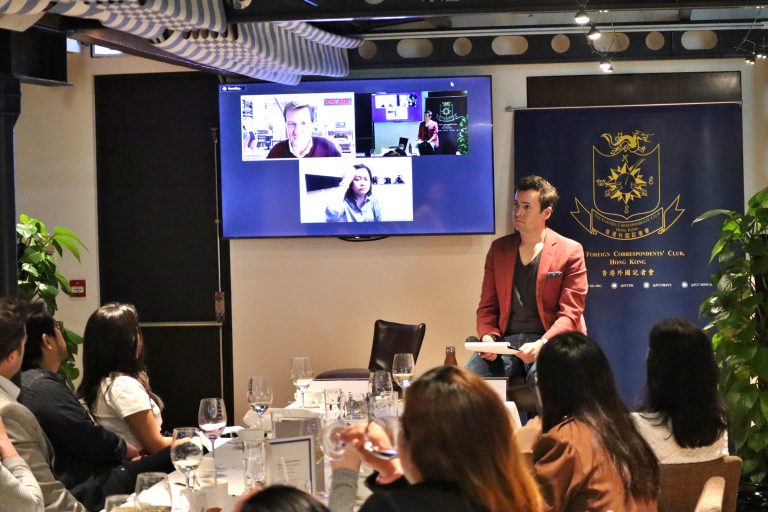
To learn more about the FCC’s clubhouse and how it stands within Hong Kong’s cultural framework, two heritage experts sat alongside Lee Williamson, a member of the Club’s Professional Committee, at a lunchtime talk in early June. The panel first broke down what the term “heritage conservation” actually means and the misconceptions that some may have about it.
“Heritage conservation is not about freezing the past, but it’s about managing the changes wisely. To manage it wisely, that’s how we can actually sustain our heritage and sustain it for the future generation,” said Winnie Yeung, an architectural conservationist who is a member of the BHA and the FCC’s Building Committee.

She explained how trying to preserve a historic site with the same features and uses from when it was first built would actually be unsustainable in modern times. Instead, finding a new purpose for an older building while investing in its upkeep is the most practical preservation effort for Hong Kong’s various heritage buildings.
Yeung referenced the Tai O Heritage Hotel, a former marine police station that can now host visitors in its various guestrooms and serve dishes showcasing Tai O’s unique culinary traditions.
Repurposing the Tai O Heritage Hotel in this manner, which also included involvement from the local community, are what Yeung believes maintains the “spirit of place” despite a heritage site now utilising itself in a new direction.
“The ‘spirit of place’ doesn’t have to be the original spirit of place. We’re not trying to turn [the FCC] into an old dairy farm depot again,” she said.
Talking more about the FCC’s own heritage preservation was Simpson Wong, the second panelist and author of The Allure of Old Hong Kong book series.
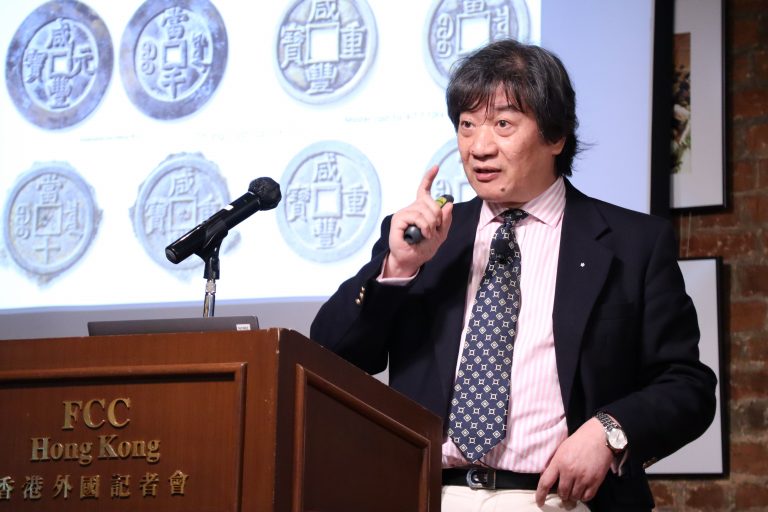
He gave a presentation on encaustic inlay tiles, the same kind of tiles that cover the floor of the FCC’s Main Bar and Lounge. They’re made using molten beeswax with patterns that are layered into a negative mould and can last over 100 years

Encaustic inlay tiles can be found in only three other locations in Hong Kong besides the FCC: the Governor’s Mountain Lodge (which was demolished in 1946), the Old Bacteriological Institute (now the Hong Kong Museum of Medical Science), and HKU’s Main Building. Wong pointed out the similar patterns on the tiles at HKU and the FCC and believes that they both likely came from the same source, which he plans to continue researching.
To make his presentation a bit more hands-on than the usual Club Lunch event, Wong also brought along 7 different tiles for audience members to pass around and inspect closely — likely a first-time experience for everyone in attendance.
With a comprehensive lesson in encaustic inlay tiles, Wong emphasised how important it is for people in Hong Kong to fully understand their own history.
“Understand more, know more. With the knowledge, you will appreciate the city we have and the heritage history we have,” he advised the audience, concluding the panel discussion.
To watch the full discussion, please visit the FCC’s YouTube channel: