
Can Hong Kong become a global arts hub? Leaders of M+ and Tai Kwun weigh in
By Hugo Novales
Within the last seven years, Hong Kong has revamped its arts and culture scene by opening three new institutions: the Hong Kong Palace Museum, M+, and Tai Kwun. Auction giants Christie’s, Phillips, and Sotheby’s have all established new Asia/APAC headquarters in the city within the past two years, with Phillips setting up office in the popular West Kowloon Cultural District.
If you were to step back in time about 20 years and ask Bernard Chan if Hong Kong would one day develop such a vibrant local arts scene, he might be doubtful.
“I never believed we were serious about it,” he said while reflecting on his past experiences in public life, including five years as Convenor of the Executive Council.

His impression back then was that Hong Kong would always be focused on its role as a financial hub, and that the arts would always be an afterthought. Now, Chan serves the city in a much different – and perhaps unexpected – role as the Chairman of M+.
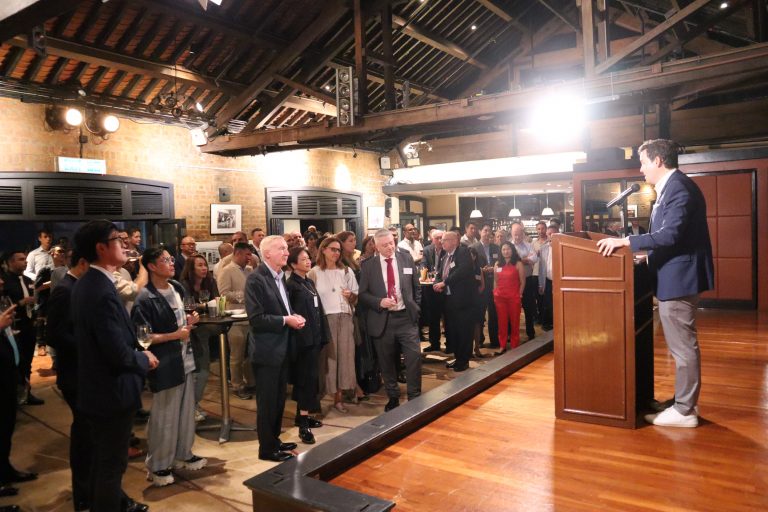
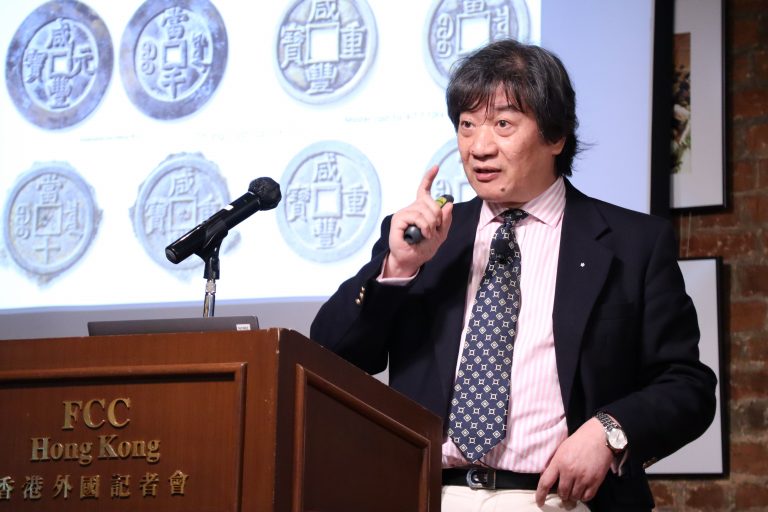
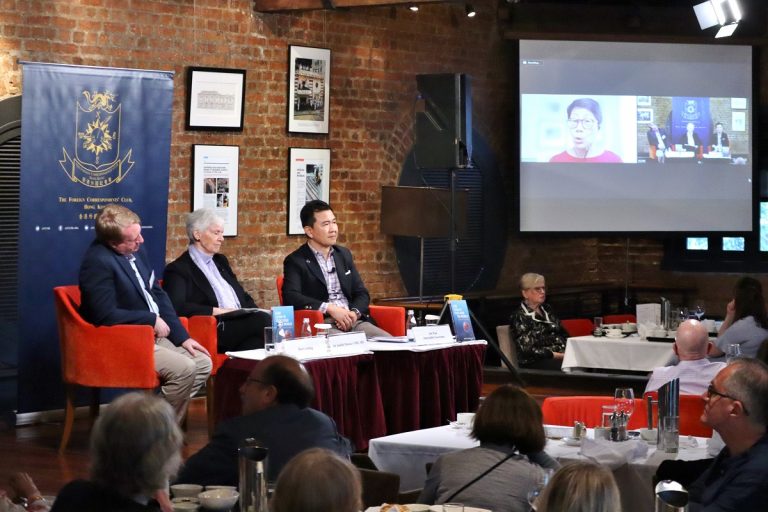
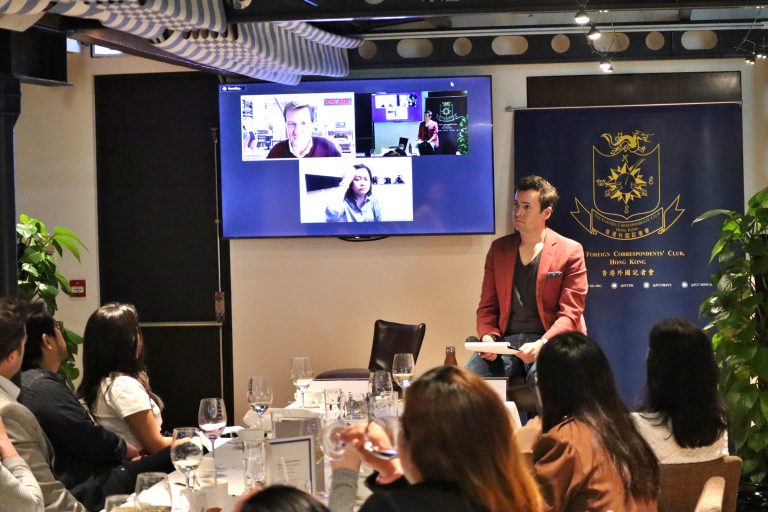
He shared his personal history in witnessing the rise of Hong Kong’s arts scene at an FCC Club Lunch along with Dr Pi Li, the Head of Art at Tai Kwun. Then-President Lee Williamson sat as the moderator of the discussion, and asked what it takes for a city like Hong Kong to be committed to the arts.
Chan explained that while the local government can lead policy-making and infrastructure plans, everyday citizens also need to be involved. Without their support, Hong Kong’s arts scene wouldn’t be able to go beyond a blueprint.
“Does everybody in Hong Kong agree to that? Because it’s all taxpayers’ money at the end of the day,” he said, adding that, “great things [are] ahead of us, but we still need to get the buy-in from everybody in the community.”
The discussion then shifted into how Hong Kong’s political atmosphere may affect its arts, culture and freedom of expression.
Beijing imposed the National Security Law (NSL) on Hong Kong at the end of June 2020, after over a year of city-wide protests against the local government stemming from public backlash against a proposed extradition bill. Hong Kong later enacted Article 23 of the Basic Law in the beginning of 2024 to “plug the gaps” that Beijing’s NSL did not cover. Both laws have resulted in considerable changes to Hong Kong society.
So how about the arts? Both panelists said that local art hasn’t been subject to increased scrutiny by the government. In fact, the duo agreed that audience opinion was what worried them more than being in violation of any kind of security law.
“We always say as people running the institution, ‘Who are the most dangerous enemies for cultural institutions in the 21st century?’ It’s the audience,” said Li.

Li then gave several examples to illustrate his point that the global art audience has been highly divided over the past two decades, specifically since 2008.
He cited incidents that took place at the Whitney Museum of American Art and The Guggenheim that saw specific works or entire exhibitions to be removed due to backlash from the general public. Whether it was due to racial tension, animal rights, or other social issues, these institutions eventually censored themselves to appease their audience.
Hong Kong, to Chan and Li, doesn’t have this problem – at least for now.
“Hong Kong is not the worst place in the world, and it’s not the best place in the world. We are like many museums in the world. We are really facing such a dynamic time, and the audience changes so fast,” said Li.
Chan also pointed out how social divisions are more prevalent in Western countries, like the US. He noted the various cultural divisions that dominate American headlines and how these societal debates haven’t made their way into Hong Kong life.
“Our issue here is simple. If you look at the US, my God, you’re divided on gender, race, you name it, ethnicity. Can you imagine? Is there absolute freedom there anymore?” he said.
To watch the full discussion, please visit the FCC’s YouTube channel: