Members Area Logout

The Impact of 2020 on the FCC’s Financial Standing

Last year proved challenging for any business relying on food and beverage revenue, and the FCC is no exception. Club Treasurer Tim Huxley reviews the balance sheet. 

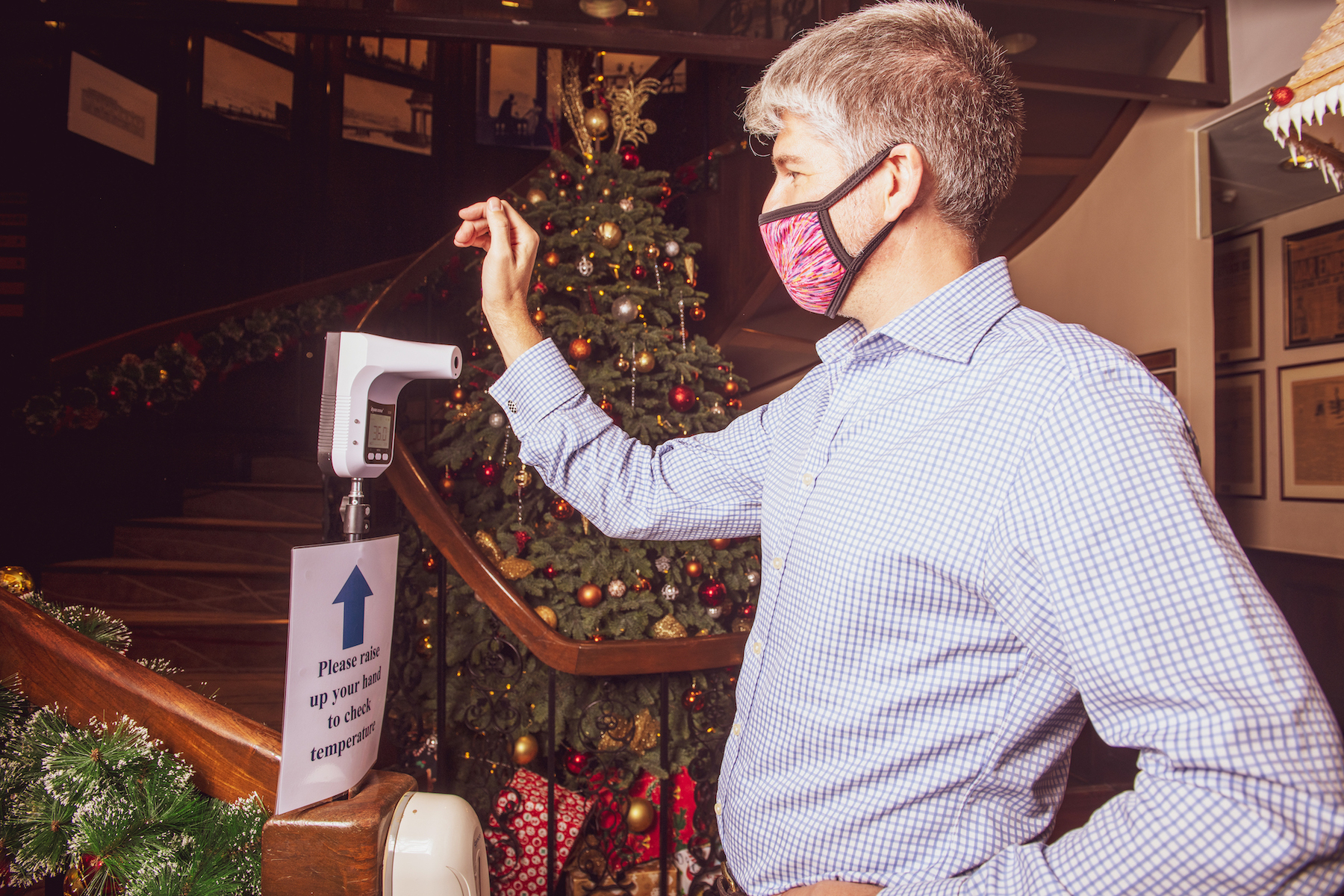
Member Matthew Marsh checks his temperature upon arrival Member Matthew Marsh checks his temperature upon arrival.

“How do the numbers look?” members often ask me at the bar. That’s hardly surprising, considering the many operating restrictions on bars and restaurants, including the FCC, over the past year. But thanks to the support of members and staff, we have so far weathered the storm.

As of the end of November 2020, we recorded a deficit of HK$472,000 for the first eight months of the 2020/21 financial year. If the current restrictions ease early in the new year, we are hopeful we can get back in the black before the end of the financial year in March 2021.

The loss of banqueting revenue in 2020 hit us hard; however, by maximising revenue in other areas of the club, we managed to navigate troubled waters relatively well. For instance, joining fees are another primary revenue source, and we welcomed a steady flow of new faces last year. Hopefully, the recently announced Member Referral Programme (which awards members HK$1,000 in F&B credits when they refer a successful applicant) will prove popular and further buoy revenues.

Throughout the pandemic, our staff’s job security and our members’ experience have remained top priorities. The government’s Employment Support Scheme, which provided a six-month subsidy to companies committed to staff retention, and other government incentives have enabled us to continue offering the quality of service members expect.

Despite the many obstacles in 2020, we have continuously fulfilled the obligations under our lease, which include meeting our rent obligations of HK$610,000 per month and preserving our listed building through careful refurbishments and ongoing maintenance. So far, we have not dipped into our reserves – this is vital, as we need to show a strong balance sheet for when our lease comes up for renewal in January 2023.

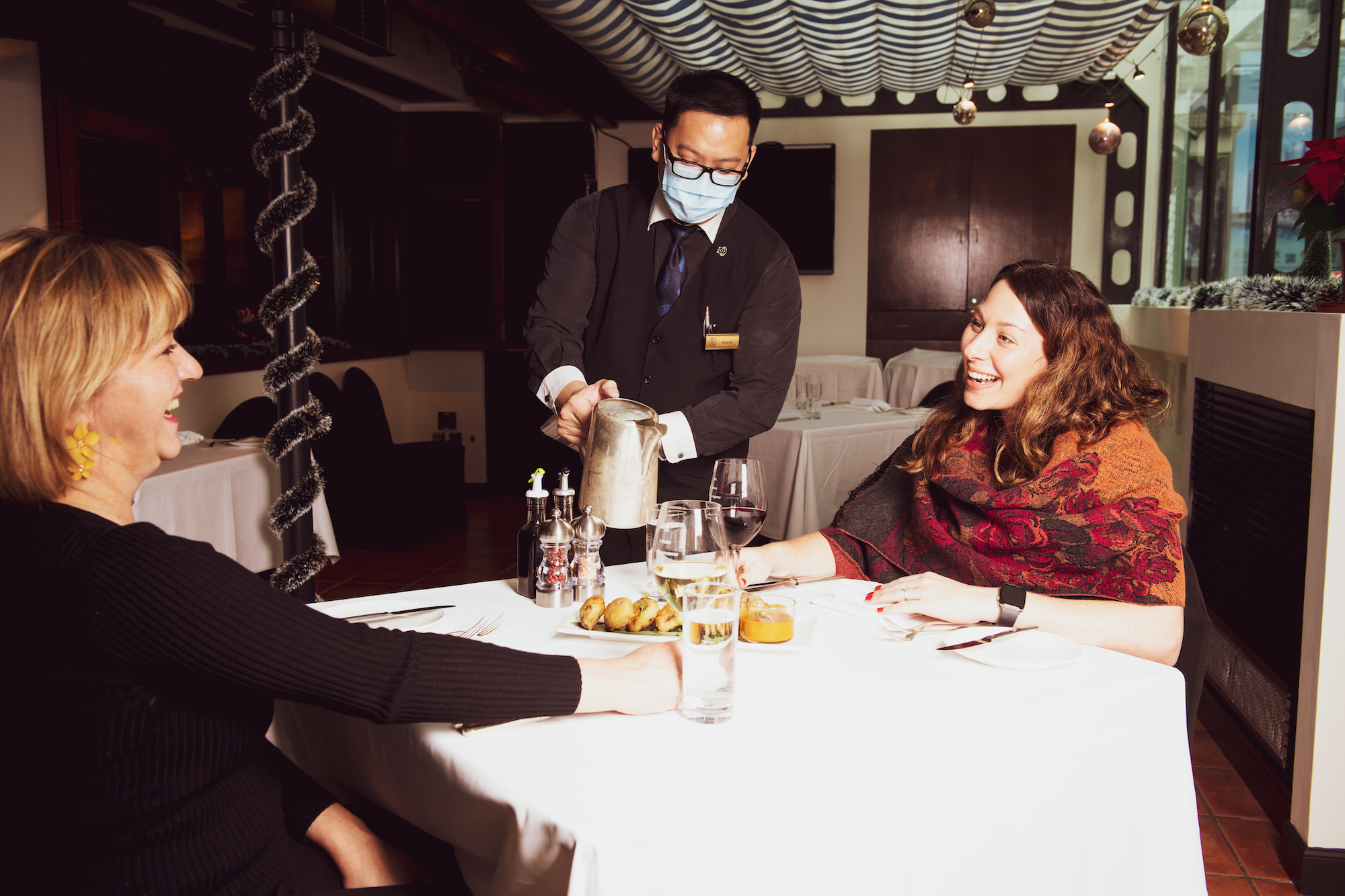
Members enjoy lunch amid dine-in restrictions. Members enjoy lunch amid dine-in restrictions.

If you would like to support the FCC during this challenging period, we encourage you to enjoy meals and drinks at the club, book events and banquets when possible, and refer friends and colleagues to apply for membership. Looking ahead to 2021, we are in a steady position and remain optimistic about a more prosperous year for the club.


How the FCC’s Wine Tasting Group Chooses Our House Wines

Every February, the FCC’s Wine Tasting Group kick-starts the process for choosing the next Correspondents’ and Publishers’ Choice wines, which will debut in July 2021. We caught up with group leader Joël Leduc to hear how it all works.

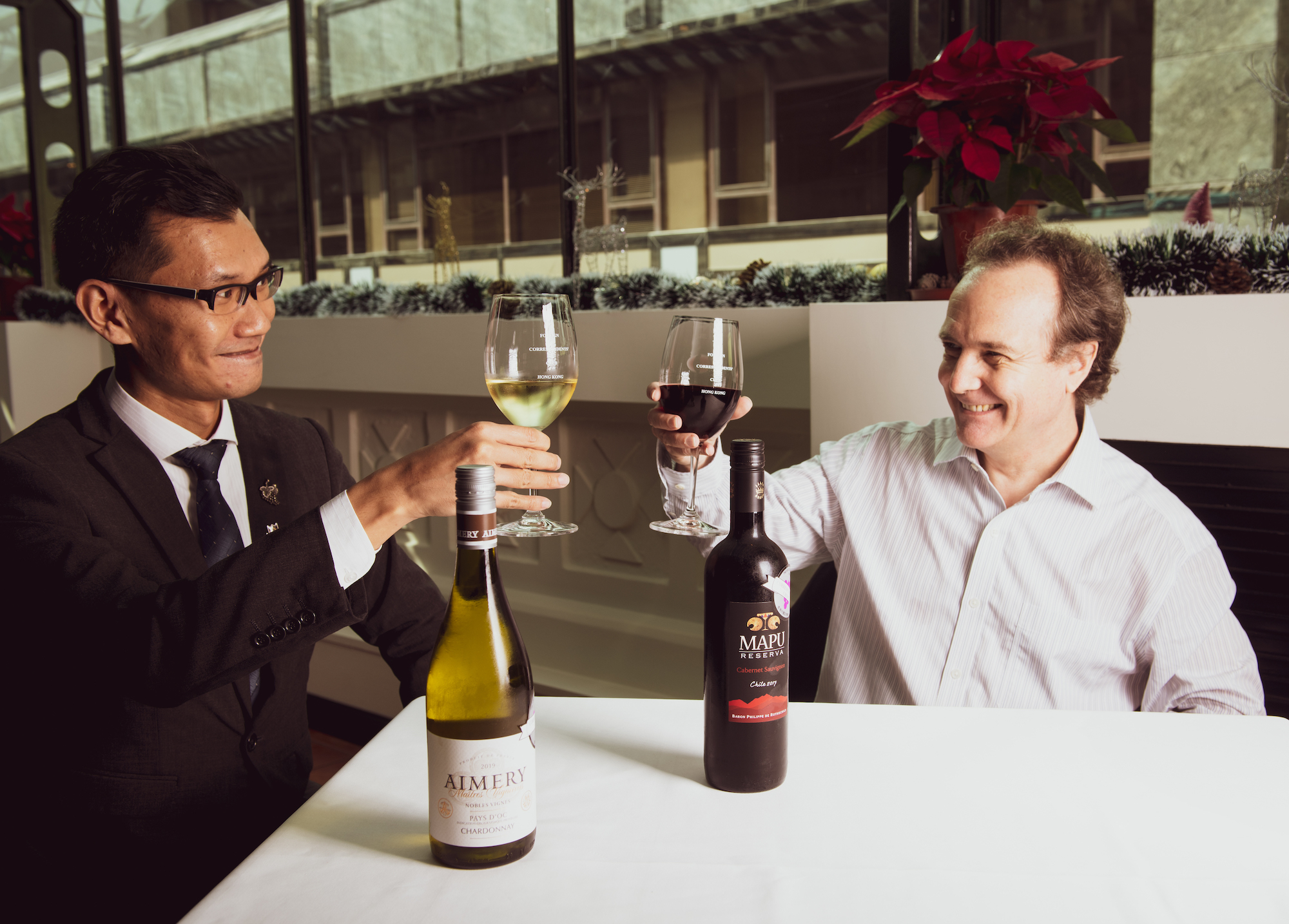
FCC Food & Beverage Manager Michael Chan (left) and Joël Leduc (right) toast to a great year of wine tasting. FCC Food & Beverage Manager Michael Chan (left) and Joël Leduc (right) toast to a great year of wine tasting.

Whenever we bring guests to the FCC, they are often pleasantly surprised by the wine prices. HK$34 for a glass of the Correspondents’ Choice Baron Philippe de Rothschild Mapu Reserva Cabernet Sauvignon? HK$54 for a Publishers’ Choice DeLoach Heritage Reserve Pinot Noir?

We can thank the FCC’s dedicated Wine Tasting Group for such consistently high-quality, low-priced house wines, which change every July. In February, group leaders Joël Leduc and FCC Food & Beverage Manager Michael Chan begin the lengthy selection process, starting with two Correspondents’ Choice wines: one white and one red.

“The Correspondents’ Choice is an entry-level, great-value wine that should be easy to drink with or without food,” says Leduc. “In France, we say it should ‘drink like milk.’ And once the bottle is finished, you’re ready for another one!”

First, the Wine Tasting Group shares an open bid with wine distributors that can satisfy the club’s high-volume needs and daily delivery schedule. “We are the biggest wine cellar in Hong Kong in terms of sales – we go through about 3,000 bottles a month,” says Leduc. “But we don’t have any space to store wines at the club, so we need to work with a distributor who can match our pace.”

Next, shortlisted distributors share their proposals – roughly 400 wine labels in total – which the group culls to 20 reds and 20 whites. “We cut down the initial list based on pricing, profile and stock – we always try to think about what our members will enjoy most,” explains Leduc. “If it were up to me, I’d just choose Burgundy all the time – all red, no whites! But this is about the members, not about our personal preferences.”

From there, the group hosts a wine social that’s open to all members, though there were some restrictions last year due to Covid-19 precautions. At the event, members rank their favourite – and least favourite – wines, then submit their feedback.

Wine Tasting

Wine Tasting Group members then meet to discuss the results and choose six wines: three whites and three reds.  “Once we’ve narrowed it down, we test those six wines at the club for a month-long trial to see what sells best,” says Leduc. “And at the end of that month, we see which one is the winner.”

If there is no clear winner, the group will meet once more to make the final decision, with each member casting one vote. And voilà! The Correspondents’ Choice wine is chosen for the rest of the year.

But the Wine Tasting Group’s work is not over yet. The following month, in March, they’ll repeat the process to select the Publishers’ Choice house wines – also one white, one red. “The Publishers’ Choice should also be of great value, but it is more upscale,” says Leduc. “So we tend to choose wines that go well with a variety of dishes and have a little more body, more robustness.”

The group is also responsible for selecting the FCC’s house Champagne and all of the Wine of the Month promotions throughout the year, which you can enjoy at the club or for takeaway.

“We are all volunteers who love wine and love the FCC,” says Leduc. “We have a great team, and we look forward to seeing new faces at our next wine socials.”

Interested in joining the Wine Tasting Group or a wine social? Check online for upcoming dates, pending Covid-19 restrictions.


Tasting Notes: FCC House Wines

FCC Food & Beverage Manager Michael Chan shares his expert impressions: 


Sparkling
Zardetto Prosecco di Treviso Extra Dry DOC
“A celebratory Italian prosecco, Zardetto has a light, straw-coloured tone. Expect a round, lively and persistent palate and a beautiful floral bouquet with complex citron aromas.”


Correspondents’ Choice, White
Sieur d’Arques Aimery Chardonnay 2019
“This French Chardonnay greets you with fragrant, lively fruit on the nose and balanced acidity. Enjoy it with grilled salmon, asparagus and greens with anchovy dressing.”


Correspondents’ Choice, Red
Rothschild Mapu Reserva Cabernet Sauvignon 2017
“In this Chilean cab sauv, expect a fruit-forward aroma mingled with black pepper and coffee. It’s well-balanced with gentle tannins, a long finish, good acidity and a ruby-red hue.”


Publishers’ Choice, White
Prinz von Hessen Trocken Hessenstein Riesling 2018
“Delicate and dazzling, this German Riesling is the definition of elegance and crispness. Tropical fruits caress the palate with hints of green apple and apricot. Riesling at its finest!”


Publishers’ Choice, Red
DeLoach Heritage Reserve Pinot Noir 2019
“On the nose, this medium-bodied red is a bouquet of red fruits – cherry, cranberry and strawberry. A touch of spice complements a fruity flavour for a balanced California pinot noir.”


A Sneak Peek at the FCC’s New Website

FCC New Website A first look at the FCC’s new homepage (click photo to enlarge).

The FCC’s new website will be launching in the coming months. Here’s what you can look forward to:


1. New Services

With a new member’s corner, you can log in, manage your account, sign up for events, book tables, and more.


2. Intuitive Design

A clean, modern and responsive new design that’s compatible with mobile.


3. Enhanced Security

We’ve heightened security to keep your personal information safe and sound.


4. Better Performance

Faster loading speeds provide a more enjoyable user experience.


Obituary: Remembering Deb Price

By Finbarr Bermingham

Deborah Price, a trailblazing columnist, award-winning journalist and mentor to generations of young reporters, has died at the age of 62 following a short illness. Known to friends and colleagues simply as Deb, the award-winning journalist and editor managed the South China Morning Post’s markets coverage. An effervescent fixture in the newsroom, her early morning quips and energy will be missed by all.

She arrived at the Post in 2018 at the peak of a storied career. Price had started out covering local politics and court cases for the Northern Virginia Sun in 1982. Two years later, she took a job with The Washington Post, where Price’s go get ’em attitude took her to the role of assistant editor for national and business news.

But it was during her 22-year run at the Detroit News, from 1989 to 2011, that she sprang to national prominence. In 1992, she became America’s first nationally syndicated columnist on gay life, writing the first of 900 columns over 18 years. Price aimed, in her own words, to “bridge a gap between the gay and heterosexual communities, to get an open and honest dialogue started.”

This mission continued over two well-received books – And Say Hi To Joyce: The Life and Chronicles of a Lesbian Couple and Courting Justice: Gay Men And Lesbians v. The Supreme Court – co-authored with her wife, Joyce Murdoch.

After Detroit News, Price studied business and investment in China as a Nieman Fellow at Harvard University from 2010 to 2011. Following a journalism teaching job at the Harvard Summer School and a stint covering the 2012 election for Agence-France Presse, the next chapter of Price’s career took her to Asia.

Price moved to Hong Kong in 2013 to work as The Wall Street Journal’s Southeast Asia editor, where she led coverage of global stories including Malaysia Airlines Flight 370 and the Thai coup of 2014. In 2015, she won a SOPA award for a feature about a foreign domestic worker’s fight for justice in Hong Kong.

After leading the English-language newsroom of independent financial publication Caixin Global in Beijing, Price landed at the Post in 2018 as a senior editor on the business desk where she focused on Hong Kong and mainland China stocks. Patient and determined to impart her vast experience, Price coached junior reporters – running through stories line by line – and her encouraging voice became a familiar part of the newsroom hubbub.

Reporters recall her excitement during reporting visits in Chinese cities, thrilled by even the most pedestrian of events – a testament to Price’s passion for learning and journalistic curiosity, traits which never waned. She also studied Mandarin, with the goal of being able to read half the characters in any Chinese newspaper within three years.

In mid-August, Price acquired permanent residency in Hong Kong, where she and Joyce planned to retire. Days after the good news, Price fell ill while preparing for an interview at the Hong Kong Stock Exchange. She sadly never recovered, dying of an autoimmune lung disease on 20 November 2020. The outpouring of messages since Price’s passing shows how groundbreaking her writing was, and just how many she touched and inspired. 

Price is survived by her wife, Joyce Murdoch, and will be sorely missed by countless more.


We Also Remember

Thomas D Gorman
Long-time FCC member Thomas D Gorman died on 11 September 2020 at the age of 69 after a long battle with cancer. A native of the Chicago area, he made Hong Kong his home for 45 years. Prior to his retirement, Gorman was editor-in-chief of Fortune China. A former chairman of the American Chamber of Commerce and of the Hong Kong International School, Gorman is survived by his wife, Jenny, and daughter, Listen.

Meet John Ma, FCC Bar Manager

With more than 30 years of bartending experience, John Ma makes you feel right at home at the FCC.

John Ma

Tell us about your career!
John Ma: My first bartending job was about 30 years ago. I worked at a really local bar in Tsim Sha Tsui, where I learned how to make classic cocktails like gin and tonics, martinis, Negronis, and boulevardiers.

When did you join the FCC?
JM: A long time ago, in 1992. I almost always work the late shift – and I love it. I actually left the FCC for about two years to go work at a yacht club, but it wasn’t for me. It was too quiet, too calm, too empty… I really missed the FCC atmosphere and all of the members.

How has the FCC changed over time?
JM: We have seen many members come and go. Staff, too. It changes all the time, but I love meeting and talking with our new members. Often, we become very good friends. Of course, when members move away, it can be hard – I really miss them.

What do you love so much about the FCC bar?
JM: The bar is an important place for the community, for friends, for relaxing. I love the energy here – it is a special place.

What’s new at the bar?
JM: We are always working on new cocktails, experimenting with techniques, and adding wines and beers to the menu. We just bought a smoking machine, which we’re using to create new cocktails downstairs at Bert’s. We also introduced beautiful rocks to serve with our premium Scotch and whisky.

So which drinks should we try on our next visit?
JM: Our new smoky cocktails downstairs! For wine drinkers, our House Champagne is well-balanced and delicious. I would also suggest our Headline beer, an FCC signature. And for a cocktail, I’d say our espresso martini. That’s a good choice if you need extra energy after a long week.

What’s your go-to drink on a night off?
JM: A classic gin martini with a lemon twist – it is very elegant and refreshing. In general, I am obsessed with gin. My favourite type is Bombay, because it has a distinct aroma of spice and citrus.

What’s a fun fact about you?
JM: My first job was as a barber. I still have all of my tools. But don’t ask me for a haircut now! It has been way too long… I really loved working with hair, but it was too hard on my hands. That’s when I became a bartender. It was a perfect fit: Just like being a barber, I get to make new friends, create new things, and make people happy.

How Headline Pilsner Became the FCC’s New Signature Beer

Amid the many challenges the club faced last year, one stood out: Choosing the FCC’s new signature beer, Headline Pilsner. Richard Macauley, who was instrumental in bringing the beer to life, spills the story.

Headline Pilsner FCC Bar A pint of Headline Pilsner being poured at the FCC’s Main Bar.

Beer is the single-most popular drink at the FCC’s Main Bar – which sold upwards of 4,000 draughts and bottles a month pre-pandemic – so it felt only natural to introduce an exclusive FCC beer. Early last year, the F&B Committee set to work, pouring ourselves into Hong Kong’s craft brew scene to find the perfect beer for FCC members.

We quickly identified its ideal brewing partner: Young Master Brewery. Founded in 2013, Young Master is one of Hong Kong’s most successful craft breweries, standing out from the pack with its creativity, consistency and commitment to the city.

We knew the FCC’s signature beer had to be refreshing, flavourful and versatile, plus pair well with the club’s food. And as tempting as it was to experiment with more avant-garde brews, we ultimately selected a beer that would speak to the majority of FCC members.

After tasting dozens of beers, we narrowed it down to a pale ale or a Pilsner, essentially a classic Czech style of pale lager. During one of the tasting sessions, Young Master introduced us to a contemporary take on a Pilsner that ticked all of our boxes: a bold yet approachable flavour, crisp and clean finish, mild and tangy hops, and an all-weather quality that stands up in winter and summer.

As a final touch, we needed a catchy name fitting of a correspondents’ club. Enter Headline Pilsner – a beer so good, you’ll never need to read the full beer menu again. Since its launch, Headline has been one of the club’s top-selling draught beers, which is a testament to its easy-drinking style and compatibility with everything from spicy Indian curries to salads, Asian noodles or simply some peanuts and crisps.

If you haven’t tried a pint of Headline yet, there’s plenty of time to change that. Next time you’re at the Club, sip a draught with your favourite meal or just savour it solo. And take pleasure, if you like, that you’ll not only enjoy a great pint but that you’ll also be supporting one of Hong Kong’s best young businesses.

Introducing the FCC’s New Members: November 2020

The Membership Committee is always impressed by the diversity, experience and talents of FCC applicants. Join us in welcoming our latest batch of new members.

Howard Chang
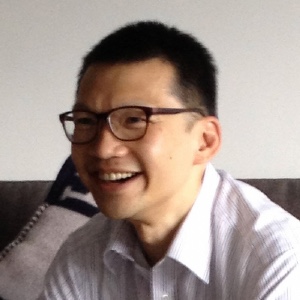
I am a Hong Kong native currently working as a tax director at a technology firm. Most people think taxes are painful, but I actually find the topic very enjoyable, especially when it comes to participating in policy work, such as representing industry groups in front of LegCo, or OECD tax policy working groups. Recently, I have taken the opportunity to try new indoor activities, like online learning and some serious cooking — well beyond mere sustenance! I look forward to being part of the FCC community and meeting new people!


Dr. Francis Neoton Cheung
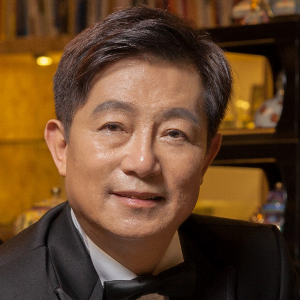
I am an urban designer and development consultant by profession, a property developer in my own time, the convenor of urban development think tank Doctoral Exchange, and a champion of the Marine Enclave developments. Born and bred in Hong Kong, I studied at Queen’s College, then graduated with distinctions from the University of Hong Kong. I have served on the HKSAR’s first Election Committee, as well as the Land and Building Advisory Committee and the Town Planning Appeal Board. In my free time, I am a contemporary porcelain artist and I like hiking, reading and playing mahjong.


Yoon Kueen Chong
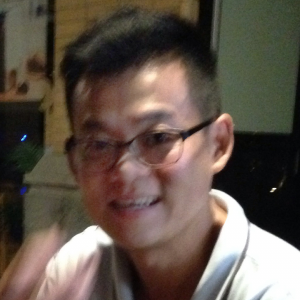
Apa khabar? That’s “How are you?” in Bahasa. I am Y. K., a Malaysian with two lovely daughters who has lived in Hong Kong for over a decade. I work in international real estate and am now the Managing Director of Artana Asia Limited. Besides work, I enjoy reading, bowling, golfing, boating, and travelling – my ability to speak and write in five languages has made many journeys extra memorable. The FCC was the first club I visited when I landed in Hong Kong, and I’m grateful to become a member today.


Kevin Ding
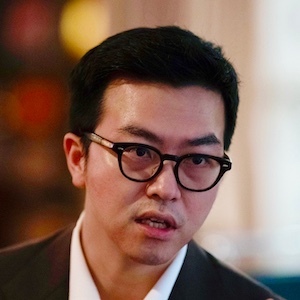
I was born in Wuhan, but I grew up in Shenzhen where my height and exceptionally large feet drew the attention of national swimming coaches. I almost made a career of it, but I prefer drinking red wine to spending hours underwater. After moving to Hong Kong 15 years ago, I earned a finance degree and two master’s degrees in economics and international relations. I’m now working for Hang Lung Properties Limited. But the truth is, I still prefer the wine. I’m happy to discuss/debate the latest seasonal Beaujolais, or maybe even some politics.


Peter Paul de Groote
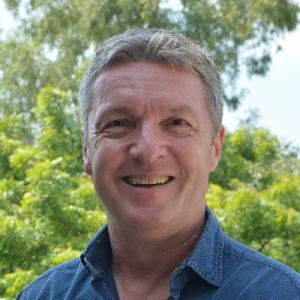
I arrived in Hong Kong last May, and to say that it has been interesting so far would be an understatement. Before Hong Kong, I spent 26 years with Médecins Sans Frontières and have lived and worked in many places, from Zaire and Ethiopia to Myanmar, South Sudan, Nepal, India, and a few more. Currently, I’m the director of the Kadoorie Charitable Foundation. The combination of dynamic city life and the outdoors makes Hong Kong ideal for me. Mingling with the wonderful (and sometimes eccentric) FCC crowd only adds to the experience.


Susan Latimer
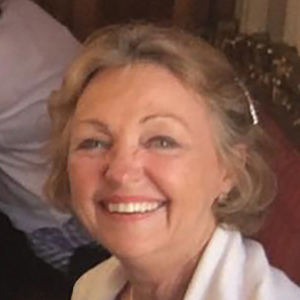
I was born in South Africa and moved to Hong Kong in 2001. I derive enormous pleasure from running my business, Jetfresh Foods. We import and distribute microgreens and edible flowers to restaurants and hotels in Hong Kong and Macao. I like to keep busy and have a broad range of interests and creative pursuits. In the summer, I enjoy travelling to new places and always go back to visit my daughters in South Africa. I love to soak up the rural, untamed beauty of the Eastern Cape coastline, where we have a family home.


Billie Lau

I’ve covered banking and finance for more than 25 years, and I am currently working as the deputy news editor of the Business section at Apple Daily. Amid Hong Kong’s darkest hour, I am honoured to be a member of the Foreign Correspondents’ Club.


Fran Lebowitz

I’m Fran Lebowitz — no, not that Fran Lebowitz! Funnily enough, however, I too, was in the book business in New York City, where I once worked as a literary agent and editor at Writers House and William Morris Agency. I’ve lived in Asia for years but there was a time at the start of 2020, a time of flying, of congregation, when I thought I would resume life in New York. Alas, that has not been the case. After a stint in Singapore, I am now in Hong Kong, and keen to be part of the conversation at the FCC.


Tiffany Liang
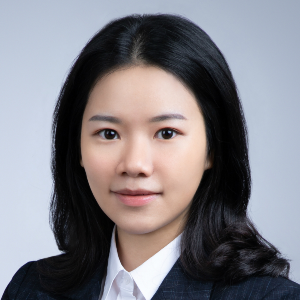
I am a freelance reporter at The Washington Post, focusing on social issues in Hong Kong. Born and raised in mainland China, I came to Hong Kong three years ago to pursue a master’s degree in international journalism. I cover public affairs and international insights, as well as human-interest stories in mainland China and Hong Kong. Currently, I am also exploring financial journalism. Outside of work, I love hiking, art exhibitions and trying new restaurants. I am really excited to become an FCC member! 


Natasha Marks

I’m an architect at Aedas Architects, and I moved to Hong Kong in September 2019 with my husband Richard. I am British but I lived in Kuwait for a couple of years when I was young and spent a year in Hong Kong during university. I recently started my own practice here called NK3 Ltd, which specialises in commercial architecture. I’ve travelled extensively in Africa and the Middle East both for work and pleasure, and when not at my desk, I can usually be found hiking or paddle-boarding in Stanley with my dogs.


Rahul Mehta

I am a solicitor at Slaughter and May. I came to Hong Kong in 2016, supposedly on a two-year secondment from the corporate law firm I was working for in London at the time. But, as is tradition, I am still here almost five years on! Off-duty, I’m partial to a game of squash or golf, a hike, a beer or a decent bottle of wine, and wish I understood the intricacies of mahjong. As amusing exploits go, I once accidentally won a Russian verse-speaking competition. Do ask me about it at the bar sometime…


Win Pang
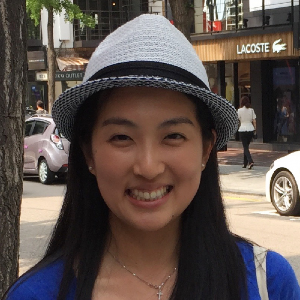
Hello! I was born and raised in Hong Kong, though my family is Indonesian-Chinese, from an island named Belitung. I love my job in equity sales at UBS AG, because it allows me to meet great people and stay up-to-date with global news. Aside from work, I liked to travel and hang out with friends pre-pandemic. Now I enjoy reading, meditation, jogging, yoga, watching NBA games and the occasional Zoom chat. I am also taking psychotherapy classes and a children’s coding course, taught by my 8-year-old niece, who taught herself to code during the lockdown.


Benjamin Qiu
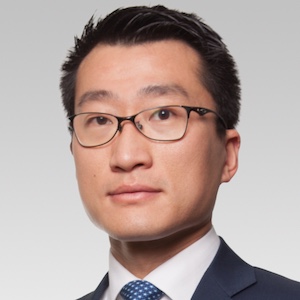
As a capital market and intellectual property lawyer, I often split my time working and travelling between Asian cities. In my free time, I also volunteer on the Board of the Shanghai FCC. I studied and worked in Silicon Valley prior to returning to Asia, and I grew up in Beijing where, to my knowledge, I was the first kid to have a skateboard! 


Bill Rigby

I’m the Spot Enterprise Editor at Reuters. I moved to Hong Kong last December to edit some of the longer-form stories Reuters produces in the Asia region, ranging from local unrest to street protests in Thailand. I grew up in Manchester, England, went to university in London and started my career at Reuters there in the late 1990s. I spent the last 20 years working for the agency in New York and Seattle, writing and editing news about finance, markets, aerospace and technology. When I’m not working, I like to ride my bicycle up and down the Peak.


Neville Sarony
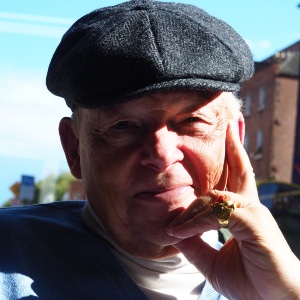
I’m an Anglo-Irish, ex-Gurkha, ex-Foreign Service member who has been a practicing barrister in Hong Kong since 1986. Before that, in the 1960s, I practiced in London and Kathmandu. A Queen’s Counsel, I’m a specialist in professional negligence and complex crime, author of the Max Devlin novels (including the forthcoming The Chakrata Incident), and a contributor to online news platforms EJ Insight and Asia Times. Besides that, I am also a political satirist, jazz pianist and singer, an after-dinner speaker, and sometimes an actor. Joining the FCC is a high quantum of solace for me.

Why Fact-Checking Is More Crucial Than Ever

By Marianna Cerini

With misinformation on the rise, AFP Fact Check’s Cat Barton says fact-checking is fast becoming an essential public service. 

Cat Barton has been with Agence France-Presse (AFP) for more than a decade. Her career has taken her across Asia, from Dhaka to Hanoi to Hong Kong, where she now heads up AFP Fact Check, the international news agency’s content verification operation. 

Fact-checking is more crucial than ever. Not only has the pandemic fuelled an ‘infodemic’ of fake news, but social media companies are also struggling to vet an onslaught of deceptive and divisive content from politicians and hate groups. It’s an uphill battle, but Barton and her team are working hard to combat deliberately incorrect, doctored, or otherwise misleading information.

Cat Barton Cat Barton reporting in Bangladesh in 2009. PHOTO: Cat Barton

How did you get into fact-checking? 

Cat Barton: I moved to Hong Kong to work on the Asia-Pacific editing desk, when AFP started this new programme called AFP Fact Check, back in 2018. Interested, I got involved early on. We started fact-checking reports from four countries: India, Pakistan, Indonesia, and the Philippines. 

Every day, a handful of reporters would look for deliberately misleading online information and find ways to debunk it. The department has grown rapidly since then. Today, we cover 12 countries in Asia, have more than a dozen reporters on the fact-checking team, and publish in multiple languages. AFP sees fact-checking as a key pillar of a news agency’s role in the 21st century, because misinformation is pervasive in the digital media landscape. 


What surprised you the most about misinformation? 

CB: At first, I was really surprised by how misinformation is exactly the same in different languages. The same message just crops up across local markets with a few clever tweaks – maybe the name of a city has been changed, or the name of the health minister – but it’s still shared with the same images, the same claims, the same editing, and wording taken out of context, the same memes, and graphics. We often have situations where our fact-checker in Jakarta, for instance, would say, ‘Hey, you know that misinformation from Buenos Aires? We just found it here too.’


What’s one of your top fake news-busting moments? 

CB: One of my all-time favourites was during the 2019 Indian general election. Rahul Gandhi, an Indian politician who was the opposition leader at the time, gave a funny speech about how Prime Minister Narendra Modi had been promising to gift farmers fields on the moon. 

However, online purveyors of misinformation edited the video of Gandhi’s speech to make it look like he was the one who was making those promises. It was such a simple, clever piece of misinformation because they made it seem so plausible. It would have fooled most people. That was very satisfying to unpick and debunk. 


What’s been your focus so far this year? 

CB: My team has done some amazing work debunking coronavirus misinformation. As an example: Early on in Hong Kong, when people were panicking about face mask shortages, a suggestion began circulating online that, if you steamed your face mask, you could reuse it up to five times. We did a deep dive into the subject. 

We broke down the videos making that claim, talked to experts and Hong Kong health authorities, and discovered where the original message originated. We demonstrated with real forensic accuracy that the whole thing was misconstrued on Weibo, then amplified by a Hong Kong politician on Facebook. 


Why is fact-checking so important right now? 

CB: The media industry has been upended over the last decade or so. We’re no longer the gatekeepers of information – anyone with an internet connection and a Facebook account can freely publish whatever they please. As a consequence, misinformation has swelled. Across the countries we work in, we see different motivations – political or financial – and it’s so important that we push back. Otherwise, it can be hard for the general public to discern the truth. That’s all the more important in places like India, for instance, where the literacy rate is quite low. 


It’s a lot of responsibility. Does it take a toll on you?

CB: Fact-checking is obviously a difficult task. It can feel dispiriting when you’re fact-checking pernicious misinformation that’s designed to confuse or mislead people, or that could have real, serious repercussions. But AFP sees it as an important public service, so we are very proud of the work we do. 


Looking ahead, how do you expect the role of fact checkers to evolve? 

CB: As an organisation, we have always ensured that the information we publish is correct. But that’s no longer enough. Now, it’s part of our mission to actively find inaccurate misinformation and correct it. We’re now using a good chunk of our journalistic resources to debunk misinformation, and I think that’s going to become even more essential as the media landscape evolves. 

Looking forward, I also think traditional and legacy media will work more closely with tech companies to combat misinformation. We anticipate misinformation to continue to proliferate online and become more sophisticated and hard to detect, for example, the use of ‘deep fakes’ [sophisticated fake videos or audio that replicate a person’s likeness using special effects and artificial intelligence]. 

Learn more about AFP Fact Check: factcheck.afp.com

Cat’s Toolkit

Stockpile your fact-checking arsenal with these free online resources:

TinEye
Helpful for reverse-image searches. Also a great way for photographers and creatives to catch copyright infringement. bit.ly/3kZkmbu 

InVID/WeVerify
Verifies videos. Can breakdown videos into keyframes for reverse image search. Also useful for checking metadata. bit.ly/319trXj 

Carbon Dating The Web
Used to verify the date a webpage was created to confirm or debunk the legitimacy of a source. carbondate.cs.odu.edu 

WolframAlpha
A weather-checking resource. You can prove a video wasn’t taken at the time it claims if the weather doesn’t match. Wolframalpha.com

YouTube DataViewer
Provides the upload time of a YouTube video. Used to verify if an incident happened at the time or place claimed. citizenevidence.amnestyusa.org

‘100 Filipinos’ Puts Outstanding Filipinos in Focus

FCC member Noel de Guzman’s new book celebrates illustrious Filipinos, from Jollibee’s founder to fashion moguls and tech wunderkinds.

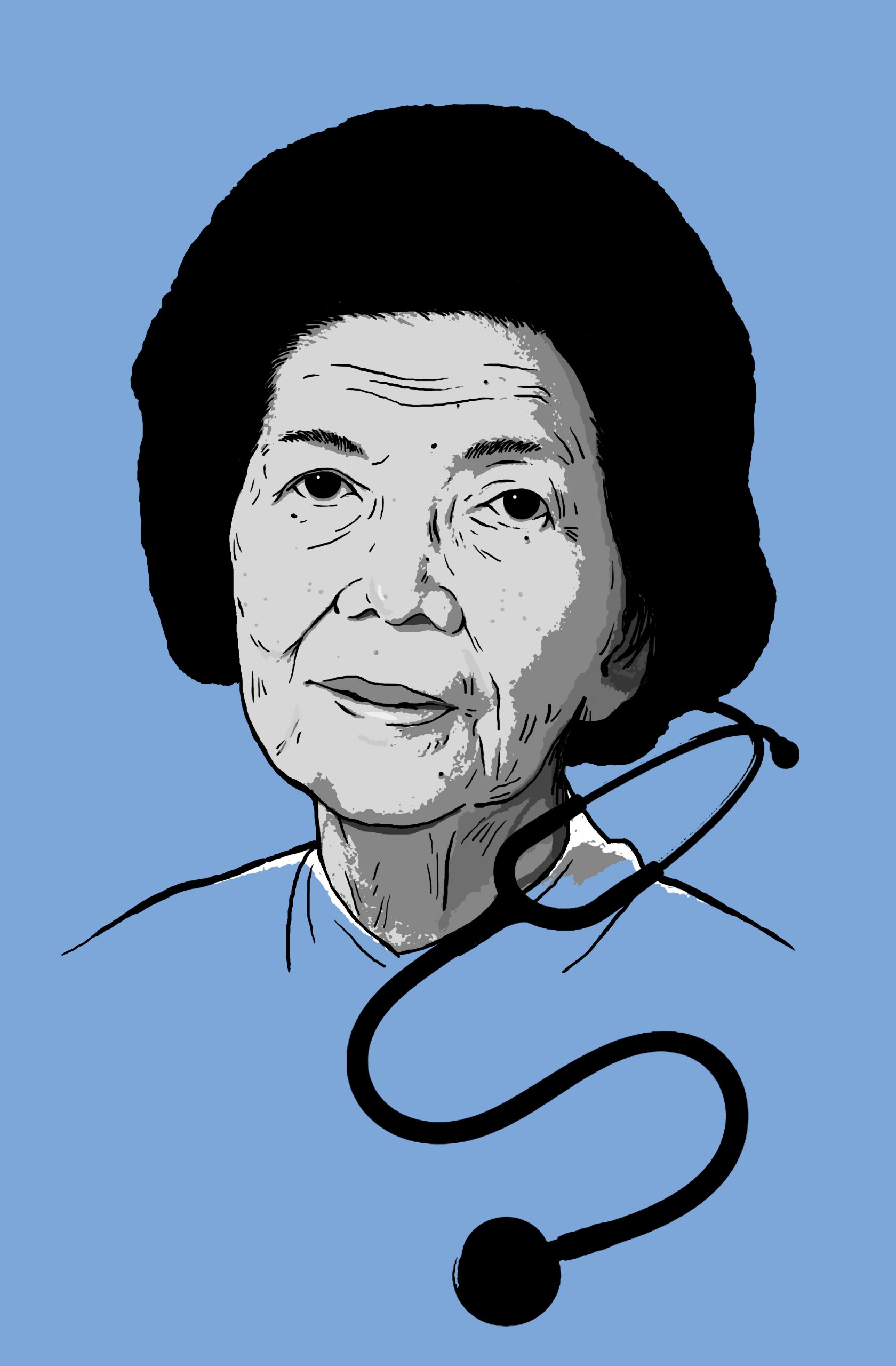
In 2018, graphic designer and illustrator Noel de Guzman stumbled upon a Google doodle of Fe del Mundo, the first Filipino woman admitted to Harvard Medical School and the first person to establish a paediatric hospital in the Philippines. 

Fe del Mundo Fe del Mundo, the mother of Philippine pediatrics.

But this was the first time de Guzman, a native Filipino, had heard of her. “When I learned about del Mundo, I was in awe. At the same time, I felt a little ashamed for not knowing who she was, so that inspired me to research more notable people from the Philippines,” says de Guzman. Determined to learn more about his country’s history, de Guzman began compiling information on a Google spreadsheet, amassing research on more than 500 notable personalities. 

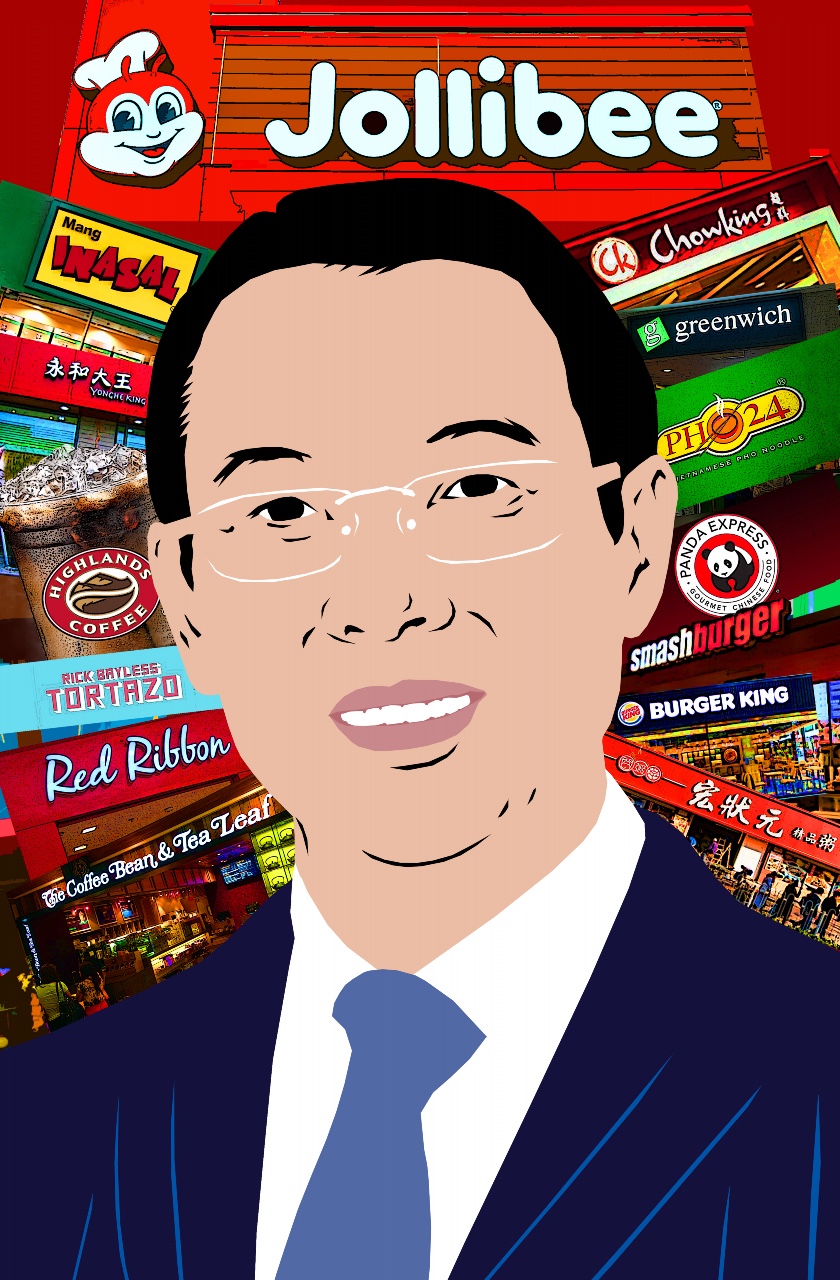
Tony Tan Caktiong, the face of Jollibee.

Fast forward two years later, and de Guzman has transformed that research into a new book, 100 Filipinos: A Collection of Biographies of Remarkable Men and Women of the Philippines. The 212-page compilation highlights inspiring success stories, from the inventor of banana ketchup to a “computer genius who rocked Silicon Valley” and the first Filipino fashion mogul. An accomplished illustrator, de Guzman pairs each profile with colourful portraits, making this book a joy to read. 

Dado Banatao, the rock star of Silicon Valley.

“We should learn from the people who really matter – people who are leaders, pioneers, and mavericks,” says de Guzman. “This book is my contribution to the country. It aims to inspire and educate. I hope one day, the book will be in every Filipino home.” 

Order your copy here: 100filipinos.com

A New Biography of Hong Kong’s Controversial Eighth Governor, John Pope Hennessy

Jonathan Sharp dives into ‘A Stormy Petrel: The Life and Times of John Pope Hennessy,’ by FCC member P. Kevin MacKeown.

Anyone wishing to divert their attention away from the actions of the Government House incumbent would do well to dip into a fascinating new book about a past – and equally controversial – holder of the city’s highest office. 

A Stormy Petrel: The Life and Times of John Pope Hennessy chronicles the remarkable life of Hong Kong’s eighth governor who, as author P. Kevin MacKeown puts it, “seldom evoked indifference.” That’s putting it mildly. An Irish Catholic born in 1834, Pope Hennessy courted controversy almost everywhere he went throughout his career, which was mostly spent running Britain’s smaller colonies. 

Initially, the need to shore up shaky finances (a suggested alternative title to MacKeown’s book was A Mick on the Make, an informal way of saying “an Irishman intent on personal gain”) drove his career choice, because he could earn more overseas than at home. 

On the personal front, he also raised eyebrows by marrying a Eurasian, Kitty, in a match almost unheard of among UK’s colonial administrators. He made a veritable Cook’s tour of the more far-flung of Britain’s colonies, starting as governor of Labuan, off Borneo, then taking in West Africa, the Caribbean and the Indian Ocean as well as Hong Kong, where he served as Governor from 1877 to 1882. 

John Pope Hennessy

Though he was liberal-leaning man of considerable charm, Pope Hennessy had a volatile temperament and High Dudgeon in High Places Jonathan Sharp dives into ‘A Stormy Petrel: The Life and Times of John Pope Hennessy,’ by FCC member P. Kevin MacKeown. was widely accused of inefficiency. Still, he had ideas and policies ahead of his time, including the advancement of the local populations he governed. He inevitably ran up against conservative vested interests among his fellow colonials and his reform record is short. 

A particularly hostile adversary in Hong Kong was Jardine’s William Keswick (another family name inseparable from the city’s history), who opposed most of his lenient policies. Especially egregious, according to his detractors, was Pope Hennessy’s efforts to install – perish the thought! – a Chinese representative, Ng Choy, in the Legislative Council. An incident perhaps most remembered about Pope Hennessy’s tenure had a whiff of scandal about it. Suspecting that lawyer Thomas Hayllar was having an affair with his wife Kitty, Pope Hennessy struck Hayllar with an umbrella near Mountain Lodge, the governor’s Peak summer home. Hayllar had the weapon mounted with a plaque inscribed “A Memento of the Battle of Mountain Lodge.” 

As the author concedes, readers may be baffled by the myriad emotions aroused by Pope Hennessy, and MacKeown lists no fewer than 236 adjectives, for and against, to describe him. One that is missing could perhaps apply to both Hennessy, as well as the present resident of Government House. That word is “polarising”. 

Pick up a copy at the FCC.

We measure site performance with cookies to improve performance.