Members Area Logout

Goodbye Gilbert: The FCC bids farewell to its very memorable general manager

General Manager Gilbert Cheng is retiring in August and for many the club will never be quite the same. Sue Brattle went along for a chat.
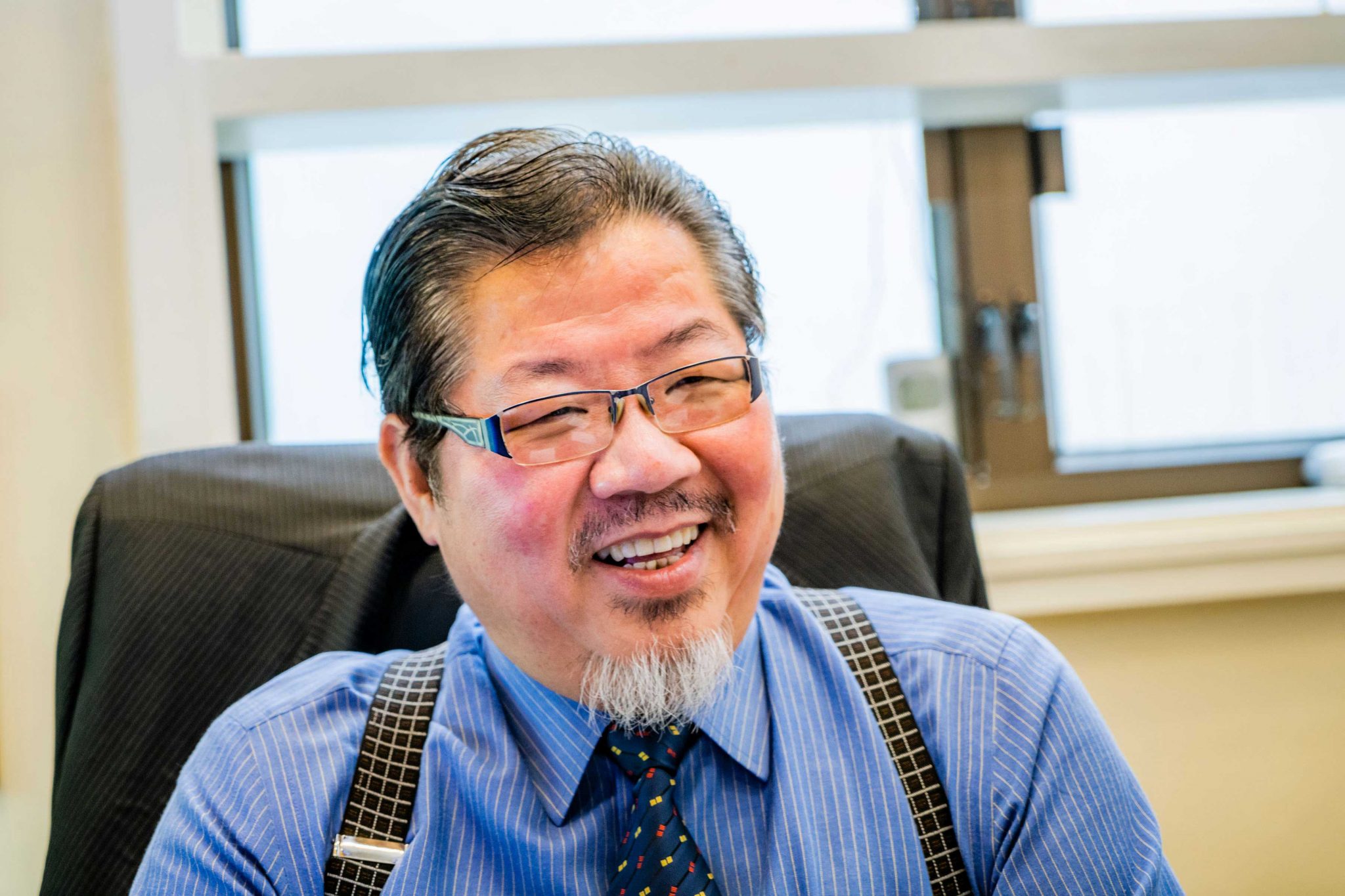
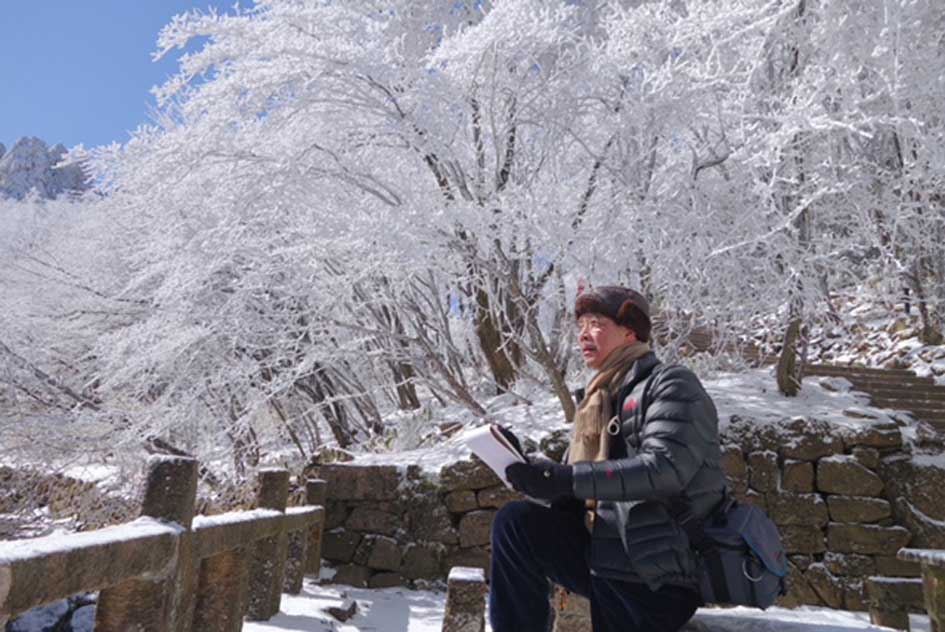
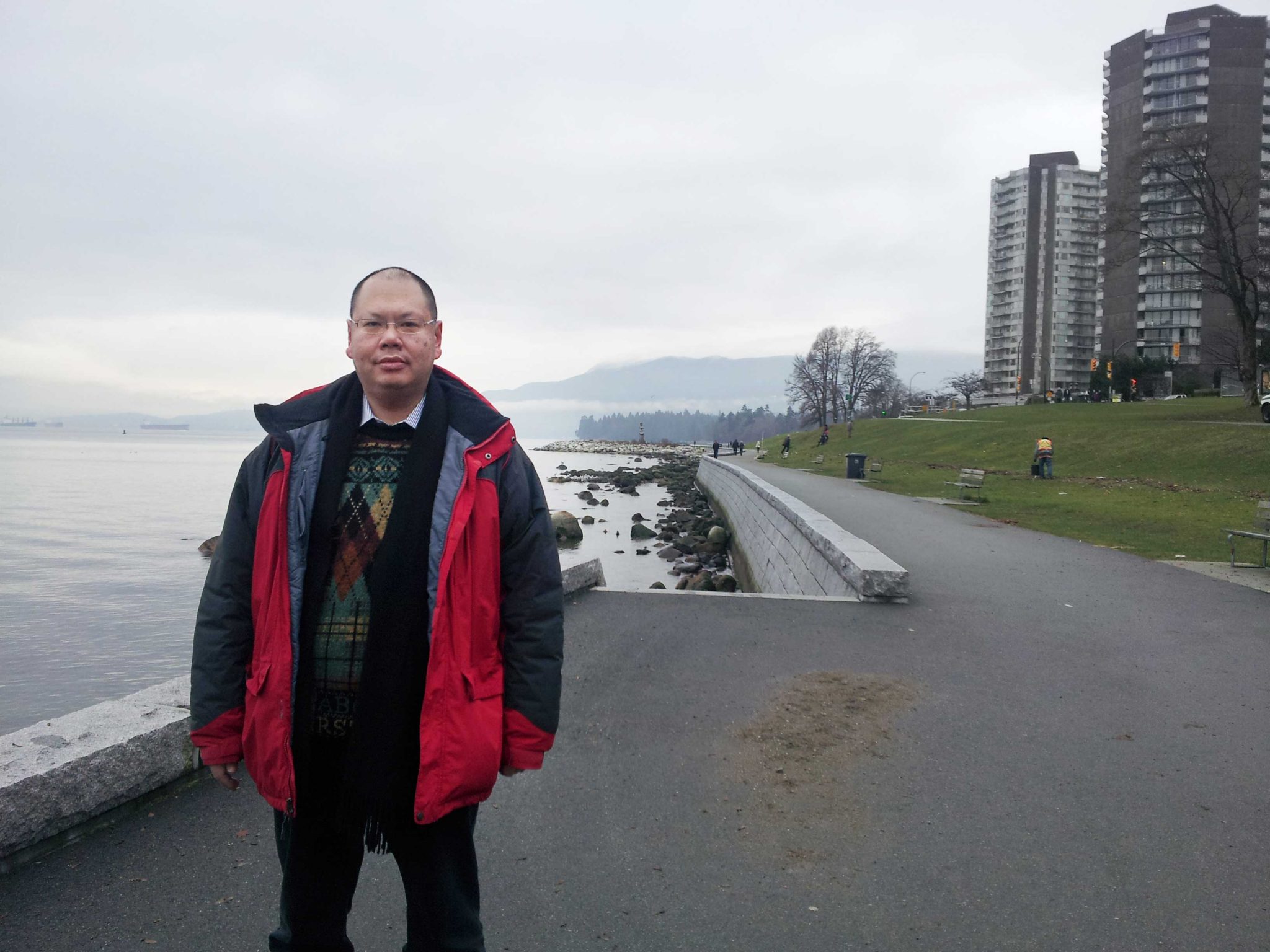
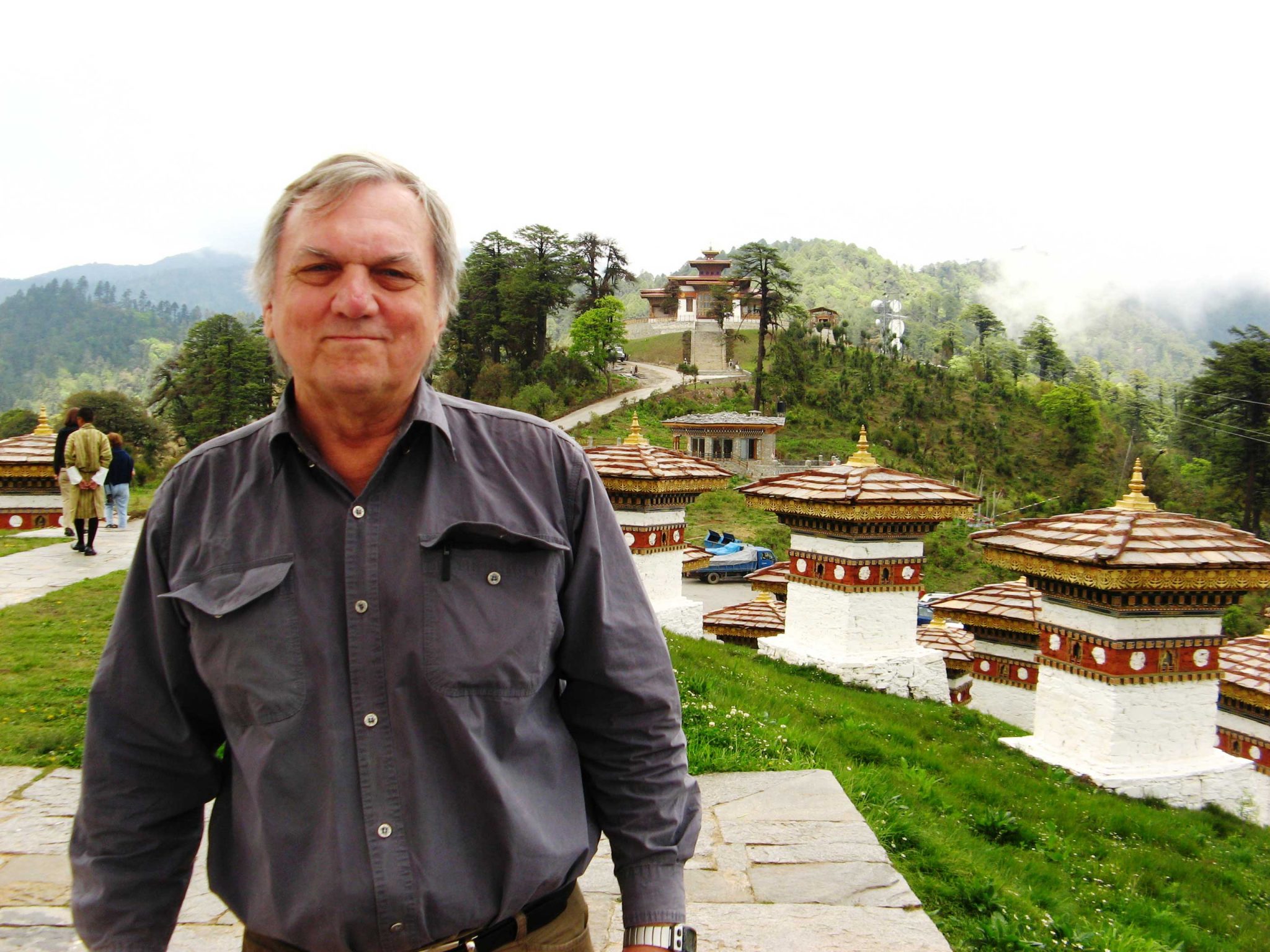
Gilbert Cheng. Photo: carstenschael.com Gilbert Cheng. Photo: carstenschael.com

The FCC will lose its memory this summer as it says goodbye to General Manager Gilbert “Tiger” Cheng, who is retiring after working at the club for 46 years.

For a man whose recall of names, faces, places and even membership numbers is legendary, getting information out of Gilbert isn’t easy. The blend of modesty and discretion that has made him such a great asset at the club all these years means he is uncomfortable when the spotlight is turned on him.

However, his trademark broad grin and explosive laugh soon shone through as he chatted about his childhood in Kowloon Tong and I innocently asked him whether he was a born-and-bred Hongkonger. “I am absolutely a Hong Kong boy,” he said. “School in Oxford Road, Kowloon Tong, a Boy Scout leader and influenced by my teacher, Tiger Wong.”

The young Gilbert aspired to be a policeman until someone pointed out that perhaps his personality wouldn’t suit the job. He tried his hand at several jobs before a neighbourhood friend, Mr Teddy Lai, introduced him to the FCC in 1972.

“Mr Lai had become the floor manager at the FCC in 1969. I started as a busboy as a summer job and never thought I would stay for decades. It was difficult to get a good job; everyone wanted to work in European hotels, but there weren’t so many of them then. My first bar manager and trainer was Papa Liao who made sure that I was taught housekeeping, stock control, purchasing, and so on. I also spent hours in a local supermarket to learn what things like tomato ketchup were – and to know that ketchup is different from sauce!

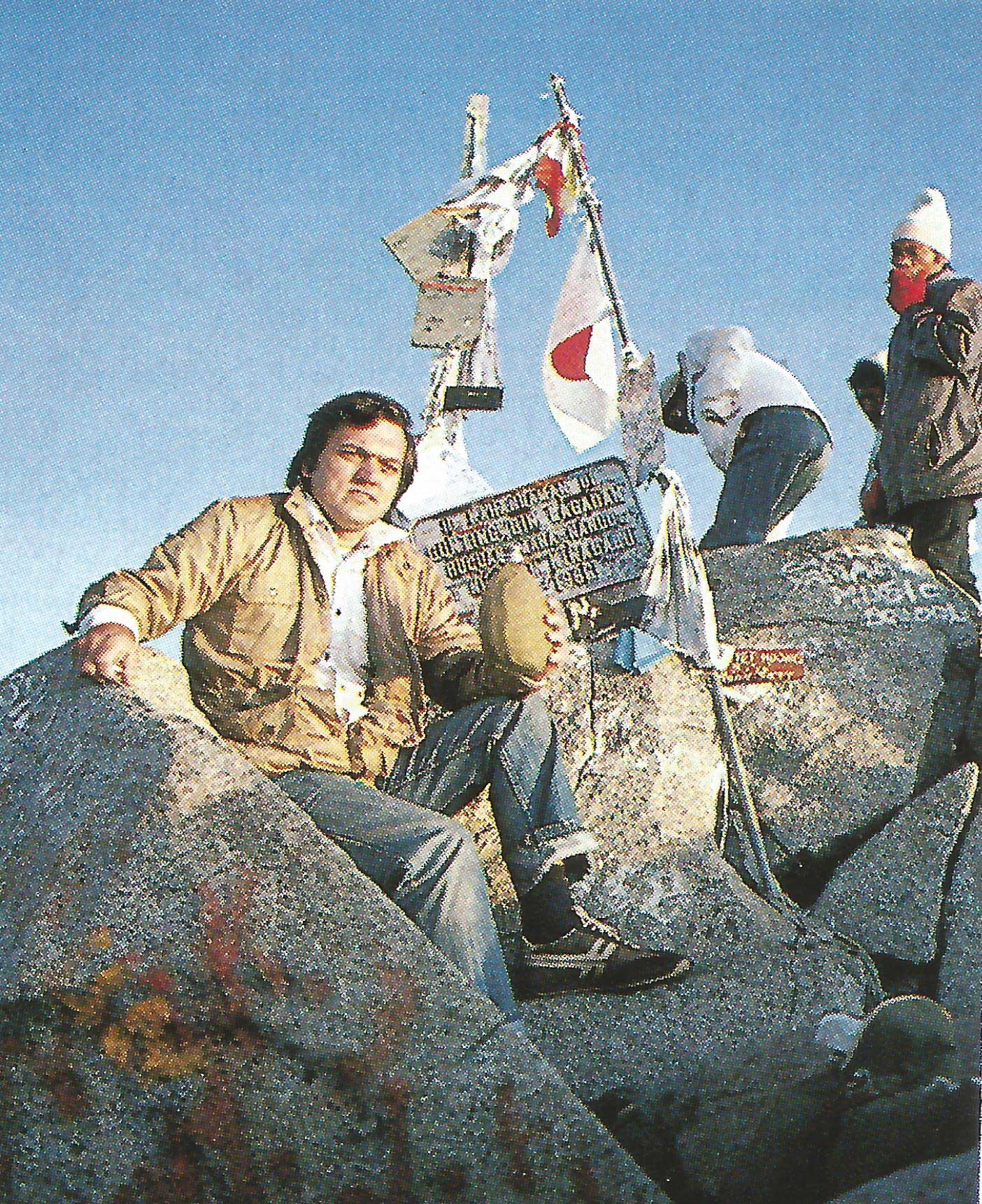
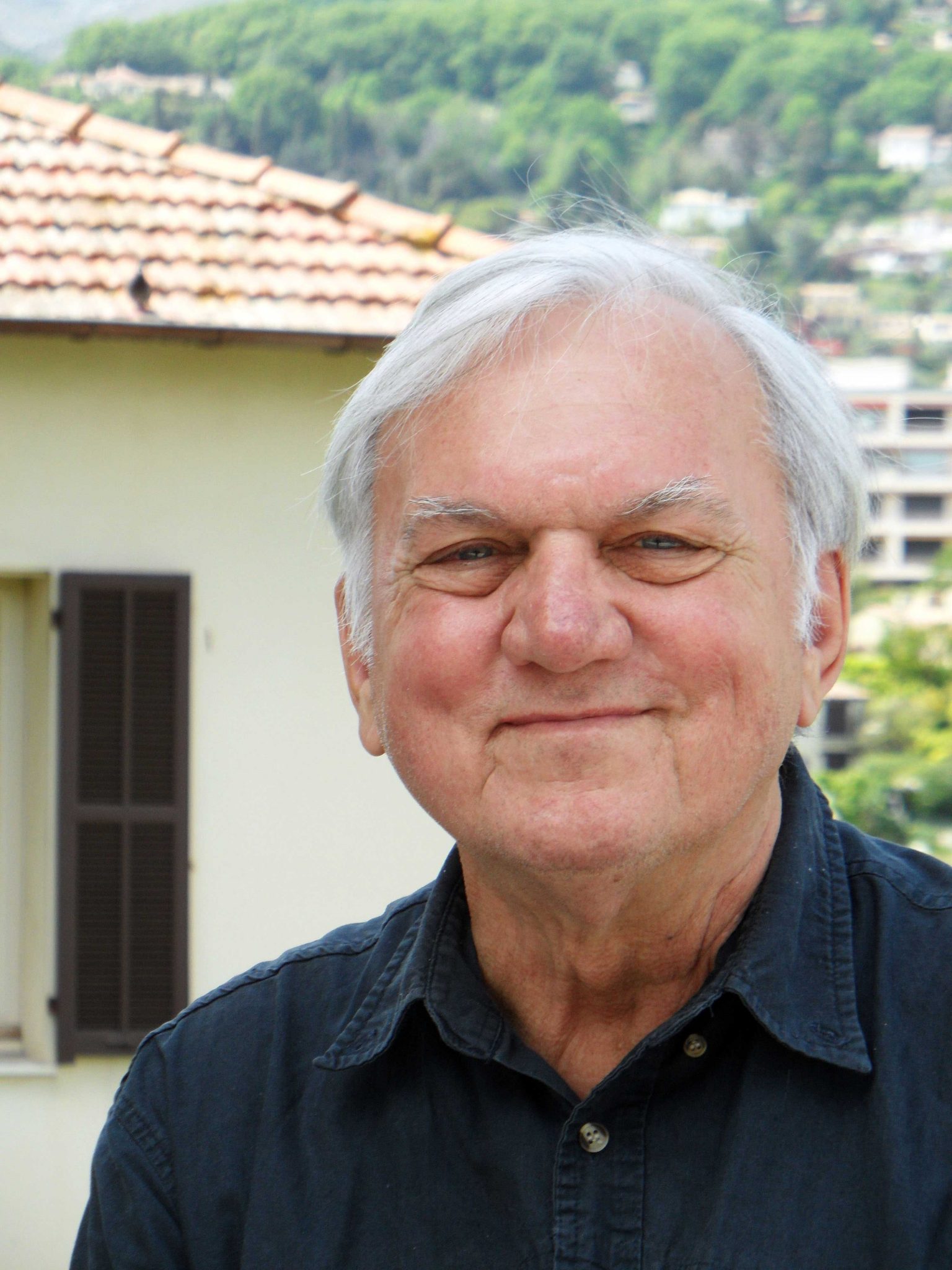
[sliderpro id=”4″]

“My first 10 years were a happy time. It was a happy atmosphere, more like a big family. Senior staff and club members taught me everything. I also spent two years studying at night school, one year full-time at Caritas College of Careers, and four years part-time at Poly U.”

Gilbert moved from busboy to waiter, bartender, restaurant manager and kept moving upwards “just working hard” as presidents came and went. In fact, climbing the career ladder to become General Manager in 2000 rates as one of his best memories.

A simple question – Who gave you the best career advice ever? – triggered a long list of colleagues, friends and FCC members. “They all brightened my career goals and broadened my mind.”

Going back to his phenomenal memory, Gilbert said: “That came from the years when I was serving people in person; I knew their names and membership numbers because I was interacting with them. In recent years, I have spent most of my time in the back rooms.” Also the club has grown, with membership doubling since 2000 and a workforce now of 96 full-time and 10 casual staff.

He recalled wild Friday nights at the FCC, when the default was to call 999 to break up a fight. “When I was a bartender there could be 200 men around the bar, four or five deep. Members used to drink more.” However, if you like gossip, Gilbert is not the man for you. “I never ask members personal questions, I don’t ask what they do or where they live,” he said.

As for his favourite moment looking back, Gilbert listed “the extraordinary excitement and emotions of the 1997 Handover Party led by [then club manager] Bob Sanders”. He added: “That week, journalists from practically all over the world descended upon the FCC.” And his worst moment? “The thought of having to leave my job at the FCC, which has been my life for the last 46 years.”

However, this summer sees the start of a new chapter in Gilbert’s life. He is contemplating going back to “school” – “just to keep the brain working”. What would he say to his successor? “Trust the Board to make the right decisions as they only want what is best for the club and, most of all, treat and respect the FCC as your home. Every day is a new day; enjoy and have fun while giving your best.”

Gilbert gets talking about work

“The FCC team was one of the best in town, hardworking, loyal, friendly and willing to learn. However, the labour market is changing and shifting. People don’t mind quitting their job now. They are not wrong; the world has changed and young people can’t pay their rent on the wages they earn. This is a social problem and it creates the current job-hopping and labour shortages. You can see ‘job vacancy’ stickers everywhere. However, at the FCC we still have members of staff who have a good spirit and good sense of teamwork; they are sincere and accept challenges. If you work at a club like the FCC you have to learn its culture. I was so lucky to have had the chance to work with them and learn from them.”

Tiger Tributes

When The Correspondent asked for tributes to Gilbert Cheng, they came pouring in. So here are a few quotes.
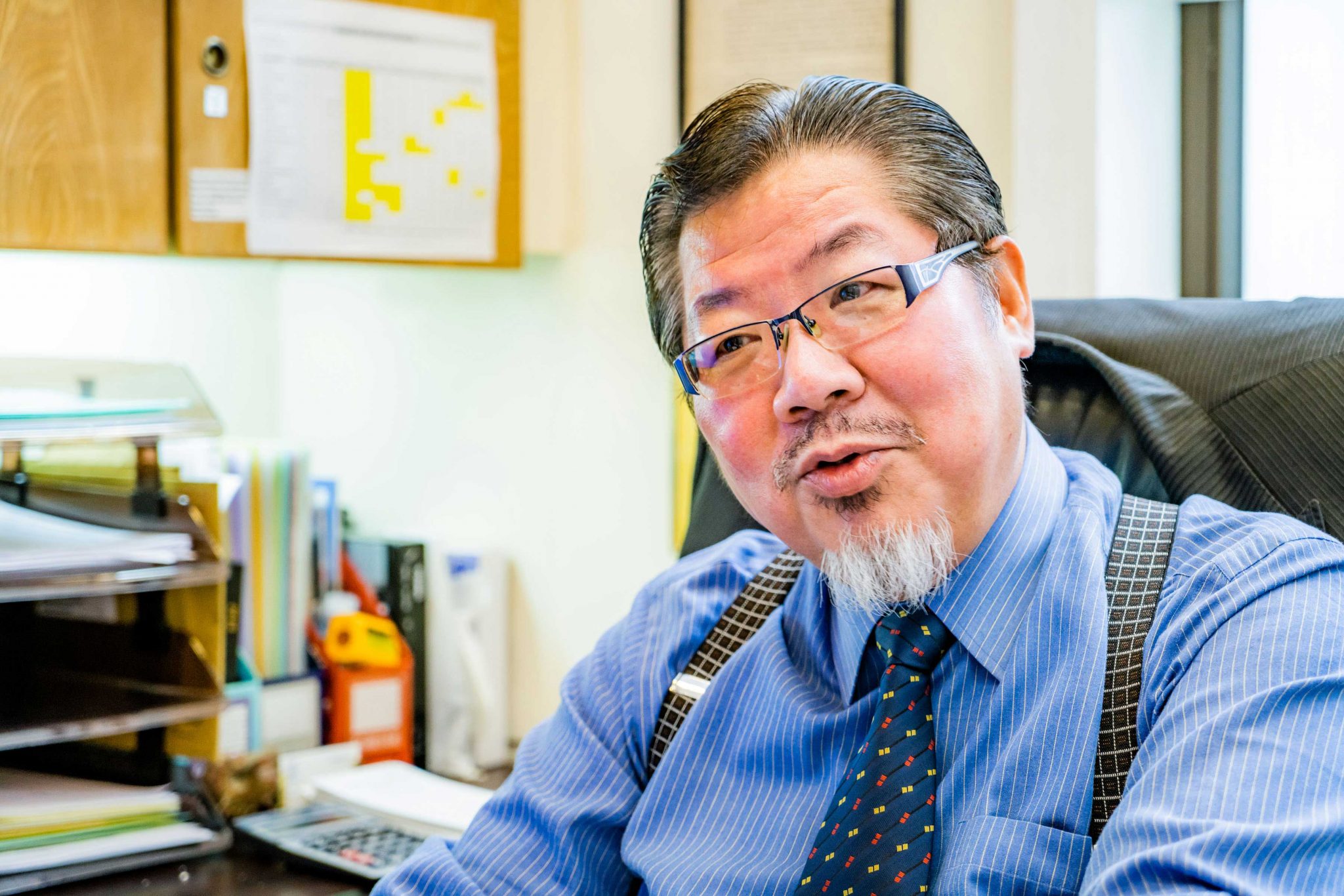
Gilbert Cheng: Photo: carstenschael.com

Gilbert has been an essential part of the Club for decades, pre- and post-handover. His bonhomie and his talent as a team leader will be equally missed by members and staff.

FCC President Florence de Changy


Gilbert will forever guide our way as he has all the years at the Club. We have ensured it. His voice, after all, is enshrined in an audio file link on the “Contact Us” page on our FCC website, where he tells Hong Kong taxi drivers where the correspondent expat sitting in their backseat is trying to tell them to go. It was the one brilliant thing we did updating the FCC website. One click of the blue box “Click here to hear location in Chinese” — and the dulcet tones of Gilbert Cheng will lead one and all to FCC. Forever.

Angie Lau, member since 2011


Over the more than 50 years I have been a member, we have recruited a large number of people to attend to various operations of the Club. Among them, only Gilbert can claim the distinction of reaching the pinnacle of his career—starting as a junior waiter and finishing as general manager. That is something which both he and the Club can be proud of. There is an adage in my native tongue, Malayalam: “A performer should retire after the best performance”. Gilbert has long been the best performer as our manager. Gilbert, like his mentor Mr Liao, is a Club legend, too good to let go easily.

Viswa Nathan


When things got tough, the Tiger side of Gilbert’s personality came through. One of the most memorable times was the controversial decision taken by the board while I was president: Redo the main bar.

Gilbert felt that the bar should run across the width of the room rather than its location along the left wall. A small but vocal portion of the membership threatened to “come with baseball bats” to defend their bar staying put.

That is when Tiger showed his stripes: Renovation works started a week earlier than announced, with the old bar gone one Sunday before anyone could protest. To ease the pain, Gilbert diplomatically distributed souvenir slices of wood from the old bar.

Former President Tom Crampton


I first met Gilbert on his third night at Sutherland House where the Club had set up after moving out of the Hilton Hotel. He had a mass of jet-black hair and a broad ready smile as he worked under the watchful eye of Papa Liao, the FCC’s bar manager from Chongqing days. Liao Chien-Ping, famed for his phenomenal memory of members’ names, likes and dislikes, was not to be disappointed. Gilbert proved a worthy protégé and had apparently done his research on members. Unasked, he poured me a glass of my favourite ginger beer. My respect for him has increased over the years and not too many are aware of the Good Samaritan in our midst: Gilbert is known to have helped out not a few who found themselves in difficult straits.

CP Ho (Member 00025)


Tiger quickly became Gilbert as he stepped into the shoes of the General Manager in 2000. He was the first local GM of the Club. The Club was experiencing a downturn and difficult decisions had to be made – increasing the subscription – as well as a successful membership drive was launched. With the improved finances, Gilbert then had the foresight to propose and complete a plan to purchase the Club’s Accounts Office in Universal Trade Centre – a sorely needed office space that turned out to be a tremendous investment! His tireless work in managing the Club, accepting the sometimes-questionable decisions of governors stoically, and improving the quality of the F&B outlets have now led to a demand for membership with a waiting list of over 3 years. We will miss Tiger’s smiles and laughter, as well as his growls.

Steve Ushiyama


As treasurer of the FCC for five years there were a number of occasions on which I found myself biting my nails about some decision I had made, realising that I had probably got it wrong, that there was no obvious way out of my dilemma and no way to avoid looking a fool or worse. But there was a remedy. I would go to Gilbert’s office, close the door, and say, “Gilbert, I’ve got a problem. Help!” And he always did. Invariably he came up with a way out. Thank you, Gilbert. I shall miss his presence in the Club, his cheery greetings to me at the Club table in the morning, his great knowledge of the Club’s affairs, his thorough organisation of its operations, his wide acquaintance with the members, his ways of diffusing tensions and his evident joy in his work.

Jake van der Kamp


The late Hugh Van Es and I were at the bar at the FCC on Gilbert’s first day of work, 46 years ago, and we watched him grow with the Club and advance up the FCC management ladder. Hugh was one of several Board members who recommended Gilbert as GM. The regulars were his family and there’s nothing he wouldn’t do for them. Gilbert instilled through example a great sense of care and loyalty among the staff. A feeble member needed assistance to get home? You needed something fixed at home? You needed assistance in some other personal matter? Ask Gilbert, and he will find something or someone to help. When Hugh was in a coma, Gilbert visited him every night and the day he died, I saw him tearfully and reverently hanging up his portrait at the Main Bar.

Annie Van Es


I had the privilege to work with Mr Cheng for 15 years. He is no ordinary general manger, in a way that he gave not only guidelines to achieve tasks at work, but also tutorials on becoming a responsible person in the family, as well as a better person as a whole. In the 1990s, while handwriting chits were commonly used in the F&B industry, he saw the trend of data digitization hence introduced computerized Point of Sales (POS) system to the FCC. It made the FCC the first private club in HK adopting POS. I witnessed numerous occasions when he took the lead to care about the members. He offered comfort when it was required; he cheered up members when they were at downturns; he quietly encouraged members by preparing their favourite dishes or drinks in advance. Mr Cheng, no one will argue that your retirement marks a loss of a dear friend and a remarkable leader. I wish you happy retirement and all the best when you turn your book of life to another chapter.

Hoi Lo Chan, ex-Office Manager


One Saturday in 1997 I was enjoying a liquid lunch at a somewhat quiet main bar when an elderly couple came into the Club. I saw Gilbert checking out the couple, and you could tell he was thinking to himself he might know them. After a few minutes, he walked over and said, “Ah, Mr. and Mrs. Smith, it’s been a long time, how are you?” The couple looked somewhat stunned; as I overheard in their conversation, it had been something like 20 years since they had been at the club. Gilbert promptly ordered the couple’s favourite drinks that he had remembered for 20 years. The Club will never be the same without him.

Matt Driskill, 2004-2005 President


All of us know Gilbert is a tough and smart guy, who has high expectations of daily operations and service standards. Every morning when he arrived at the office, he had already checked up various markets from Kowloon, Central and Wanchai. One of his habits was to walk around the Club a dozen times daily, from the roof to the members’ facilities, kitchens and linen room. Even though some say he has a quick temper, Gilbert is the most considerate person I have ever known. He could remember the birthdays of most staff including every little detail of our family circumstances. He always went extra mile to help out, never asked for anything in return. I am still impressed that he attended the funerals of my grandparents within his busy schedule. Not one boss has ever cared about my family like that. This does mark the end of an era. I sincerely wish Gilbert a happy retirement and do always come back to the FCC. We will miss you lots!

Rosalia Ho, ex-Office Manager


When fresh out of Vietnam, I joined the FCC at Sutherland House in the 1970s, and Gilbert was already there. A quiet presence, just setting out on his path to make the Club a better place: an essential home for hundreds of reporters either covering war or Mao across the border. With the move to Ice House Street, it seemed to me, the biggest challenge of an FCC general manager was dealing with the many over-the-top personalities that either drank at the Club, served on the board, or both. I won’t embarrass any of my esteemed colleagues by naming names, but Gilbert was always effective in diffusing the most cantankerous among us. Although a relative old timer, I never called Gilbert “Tiger” – but that nickname certainly made clear the tenacity and dedication that Gilbert devoted to the Club over 46 years. I have not returned to the Club often in recent years as I am usually travelling. But when I have, Gilbert was always there with the kind of greeting that always made me feel very much at home. So General Manager Cheng – wherever your next adventure takes you, you must know that we will miss you and your dedicated service. We wish you well.

Jim Laurie, President 2001-2002


In the next issue, we meet Gilbert’s successor, Didier Saugy. If you have a question you’d like to ask him, send it to the Editor at [email protected]

 

Introducing… FCC new members July 2018

The latest group of members to join the FCC is, as always, an interesting bunch. The membership committee meets regularly to go through applications and is always impressed by the diversity of people who want to join the Club.

Alan Yu

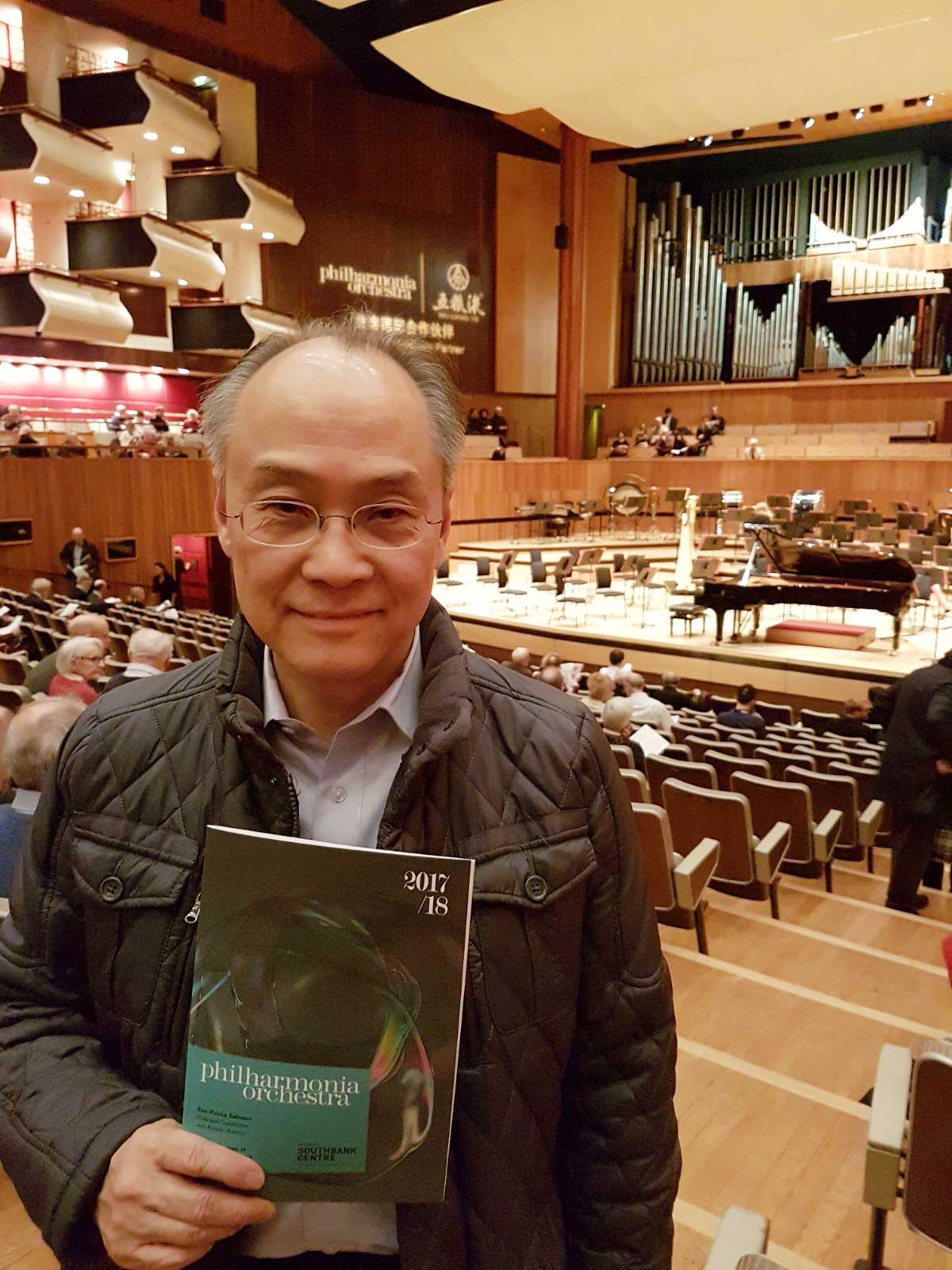
A genuine jack of all trades, I have built a career in advertising, marketing and general management across several industries, including consumer finance, healthcare, pharmaceuticals and agriculture. From humble beginnings as a student of philosophy and relief announcer for RTHK Radio 4, I progressed to become “king of napkins” as Asian head of women’s sanitary protection for a US multinational. I’ve come down to earth of late, managing, among other things, vineyards with total area equivalent to 80% of Hong Kong Island. In the last few years I have also been a concert reviewer for the website Bachtrack (www.bachtrack.com). My peripatetic occupation has taken me to concerts by famous orchestras at equally renowned concert halls around the world.


Alice Truong

I like to tell people that I moved to Hong Kong a few days after the US elections in 2016. My intention wasn’t to escape Trump’s America, but the timing just worked out that way. This is the second time around these parts for me, having worked as a reporter at the Wall Street Journal covering Hong Kong real estate from 2010 to 2011. In between, I was in San Francisco, reporting on technology before joining the Fast Company and then Quartz, where I still work. I’m a ham radio operator (licensed by the other FCC, the Federal Communications Commission), student of Morse, SCUBA enthusiast, and avid boat watcher.


Christina Lau

Made in HK, an ordinary Chinese girl, we migrated to Sweden when I was 10 as my parents wanted a better life and future. Equipped with Cantonese and English as my mother tongue, I learned Swedish and French, the former for mere survival and the latter for pure pleasure so by the time I had finished my studies, I embarked onto the school of life ready to communicate and connect with all sorts of walks of life. Having slipped onto a banana skin into the world of luxury retail and worked for more than 20 years for several leading European brands where my passion for art, entrepreneurship and team building flourished, I have recently added a new skill, Bio-resonance (complementary healthcare to traditional medicine), onto my profile. So, FCC is the obvious choice, a club where you can relax, meet, eat, aspire and be inspired. Thank you for welcoming me as a new member!


Dr Victoria Elegant

I was born and brought up in Hong Kong and remember visiting the FCC as a child when it was in the Hilton at the bottom of Garden Road. My father, a past president, and brother are both journalists and absent members. I followed a different path and studied medicine. I practised for many years, including in Hong Kong several times, before moving into research and development for the biotechnology industry. I moved back to Hong Kong, for the 8th time, last year. I have 3 adult children, 2 labradors, I ski, and have taken up sailing again recently. I am involved in a number of women’s leadership initiatives and charities to support women and children’s access to education and health. I am looking forward to contributing to the FCC.


Harry Harding

I began as a university professor, teaching mainly at Stanford, and then became a foreign policy analyst at the Brookings Institution in Washington. I’ve been a university administrator, holding two deanships. Now I’m a university professor again, most recently at the Hong Kong University of Science and Technology and the University of Hong Kong. The common denominator in all this is my interest in China and U.S.-China relations. I’ve never been a journalist, but I’ve been a source for some and have admired the work of even more.


Philip Law

I was born in Hong Kong in the early days of the Baby Boomer period. I received my education in Hong Kong and then started my career in the “rag” trade in the 1970s and am still working in the same field now. I started my own business, Union Apparel International, 20 years ago and have customers from all over the world, which has opened my eyes a lot. I have travelled quite a bit for work and play to different places. However, I believe there’s no place like home – Hong Kong!


Sharon Lam

I am currently at Reuters Breakingviews as the Asia Editorial Assistant. Before choosing to pursue my (relatively short!) career in journalism, I worked for Mirae Asset in product development and marketing, as well as HSBC Private Bank. I’ve also had a brief stint working in the startup space and Forbes Asia. I graduated from Tufts University with a bachelor’s in international relations and political science, where I wrote for The Tufts Daily and edited for Hemispheres, an international relations journal. I’ve lived in Vancouver, Boston, and Madrid, but ultimately consider Hong Kong to be my home.


Ambassador Kuninori Matsuda

When I was a child, I dreamt of being an anchorman. Time flies and as it turned out I entered the Ministry of Foreign Affairs and started my career. I was dispatched to work in America twice, Russia twice, Israel once, and had the experience of serving as a Specialist in the Soviet Union for Japan. Thus, I was given an opportunity to further improve my language proficiency in English and Russian. However, as both my grandfather and father were experts in China studies, I wondered if I could work in any areas of China. Since then, my dream has come true and I have been working as Ambassador and Consul-General of Japan in Hong Kong since 2015.


Chuck Pang

I am an Online News Reporter at The Standard, covering local and business news. Prior to becoming a journalist, I was a private tutor. I have been a full-time reporter since January 2017, following an editorial internship at the Financial Times in Hong Kong. Outside of reporting, I love history, yoga, running, tennis and travelling. I also play and write music, was the lead singer in a rock band and have performed solo at open mic nights. Born in London and raised in Hong Kong, I graduated with a physics degree from The University of Manchester.


Paklee Ho

I’ve been creating art and painting with Chinese ink for almost 60 years. From being a student, to becoming a professional artist, from sketching, to 30 years of Christies’s auctions, I have seen how “creations” have inspired others and that “change” allows me to to keep artistic interests fresh among those who appreciate my art. I have created various series of artworks; my signature Fishing Boat series of Hong Kong; Colours of Canada during my 20-odd years in Ontario; Elegant Landscapes of mainland China and the latest Dawning of Hope series. At the turn of the century, I decided to reconnect with my roots in Hong Kong. I spend my time in Zizai Xian, my studio in Lan Kwei Fong, with my wife Brenda, or chatting with friends in Luk Yu Chinese Tea House, or having coffee in FCC, leading a retired yet working daily life as any 70 year-old man should. My philosophy: Art is for possessing, creation is for appreciating.


Kai Tao Pang

I was born and bred in Hong Kong but have been away in the United Kingdom for a significant period of time for my secondary and tertiary education. I am a solicitor by profession and am admitted as a solicitor in both Hong Kong and England & Wales. For the past 15 years or so, I have been the in-house lawyer for a number of multi-national organisations with either their regional or global headquarters based in Hong Kong. In addition, I am a Rotary Club member as well being an officer of the Hong Kong Air Cadet Corps on a voluntary basis.


Alexandra Stevenson

I’m a reporter for the New York Times and I’ve been in Hong Kong for eight months. I’m originally from Canada but this isn’t my first time in Asia. As a kid, I spent time in Bangkok, Thailand and as an adult I’ve lived in China (Dalian and Beijing) and Singapore. I guess you could say that I was inspired by my father’s experience in Asia. He was a foreign correspondent here in Hong Kong in the 1950s and 60s covering some of the most exciting moments in this region’s recent history. He was one of the first foreign correspondents into “Red China” in 1954, traveling across the country to chronicle, as he later described it, “the Communist battle for men’s minds.” Ask me about it if you see me in the club.


Feliz Solomon

Just shy of two years ago, I moved to Hong Kong to join TIME, where I was auspiciously tasked with reporting on Southeast Asia. That’s where I had started my career, after all, sub-editing news reported by Burmese journalists exiled to northern Thailand. I moved to Yangon in 2014, not long after censorship was lifted in Myanmar, and since then I’ve written about a dramatic election, a civil war, and a humanitarian crisis. Needless to say, there have been lots of surprises on the path that somehow got me all the way from a cattle ranch in East Texas to a correspondents’ club on Lower Albert Road. I’m still a little stunned myself, but I do love a good plot twist.


Clark Ainsworth

I moved to Hong Kong from the UK just under two years ago after working as a digital journalist at the BBC in London and south east England for 16 years. I’d always wanted to live in this magnificent city, so when the South China Morning Post announced its digital expansion plans I knew exactly where I needed to be. When I’m not curating content as part of the Post’s digital team, I love exploring Hong Kong on my classic Vespa scooter, going to gigs and taking photos. I also spend quite a bit of time trying, and generally failing, to get to grips with Cantonese.


Selina Cheng

I’m an investigative reporter at HK01. I grew up here. Over the past eight years I’ve lived in Paris, Abu Dhabi, and New York. My investigations have led me to corrupt Chinese officials who claim political asylum in the US, Harvey Weinstein’s movie partner in HK, and prominent Buddhist monks who embezzle charitable funds. It is a thrilling job. I’d say my rarest skill is to flip interviewees – having them call back, after hanging up on me the day before. Outside of work, I have a cat and a dog who live in peaceful mutual indifference.


The Correspondent, July – September 2018

On The Wall: Exiled To Nowhere – Burma’s Rohingya

Images by Greg Constantine

Over the past year, the Rohingya community in Burma (Myanmar) have been subjected to what UN officials have called a ‘text book case of ethnic cleansing’, while others have claimed it is just one more step in a genocidal process that has spanned decades.

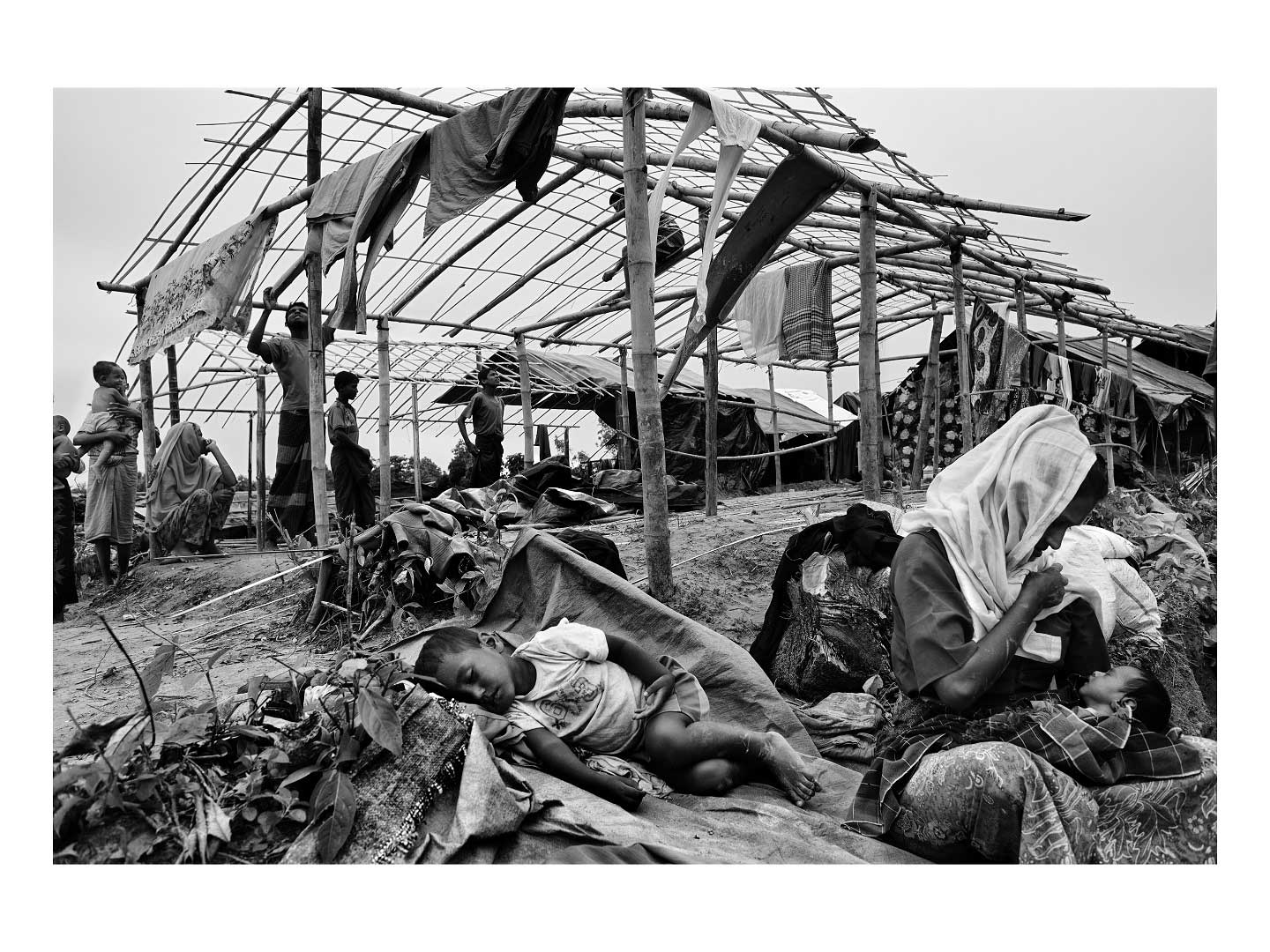
A Rohingya man carries a load of bamboo which he will use to build his family’s hut. Photo by Greg Constantine. A Rohingya man carries a load of bamboo which he will use to build his family’s hut. Photo by Greg Constantine.

This recent ‘scorched earth’ campaign by the Burmese authorities and members of the local Rakhine Buddhist community has destroyed hundreds of Rohingya villages, has resulted in the murder of thousands and has essentially eradicated the Rakhine State of the Rohingya by forcing 700,000 Rohingya out of the country and into neighbouring Bangladesh. It is the fastest and largest humanitarian crisis in the world today.

A Rohingya mother and child wait with other Rohingya to receive assistance at a makeshift medical clinic near the Kutupalong refugee camp. Photo by Greg Constantine. A Rohingya mother and child wait with other Rohingya to receive assistance at a makeshift medical clinic near the Kutupalong refugee camp. Photo by Greg Constantine.

While this wave of violence toward the Rohingya under the civilian-led government of the NLD and Aung San Suu Kyi follows decades of discriminatory policies targeted toward the Rohingya by successive military governments, little if anything is being done to hold anyone to account for the atrocities.

Sixty-year-old Hussein lay in a bed at the Cox’s Bazar Sadar Hospital. Shrapnel from helicopters attacking his village damaged both legs. Photo by Greg Constantine. Sixty-year-old Hussein lay in a bed at the Cox’s Bazar Sadar Hospital. Shrapnel from helicopters attacking his village damaged both legs. Photo by Greg Constantine.

Photojournalist Greg Constantine has been documenting the persecution of the stateless Rohingya for more than 12 years. Since the publication of his acclaimed book, Exiled To Nowhere: Burma’s Rohingya in 2012, he has travelled inside Burma four times to continue documenting the plight of the Rohingya. The photographs on display at the FCC featured work created in Bangladesh in September 2017. Constantine dedicated this exhibition at the FCC to fellow journalists, Wa Lone and Kyaw Soe Oo.

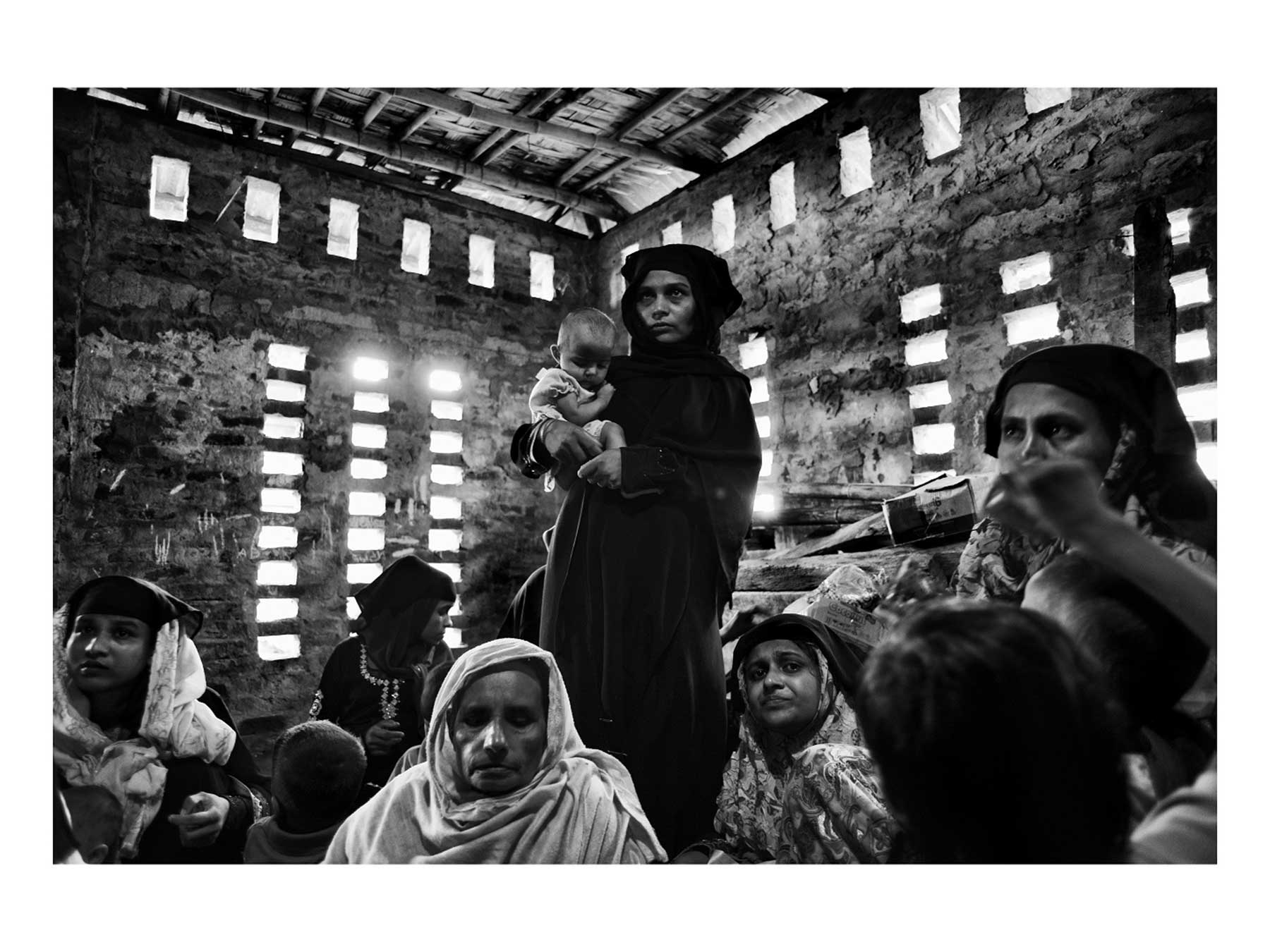
A group of Rohingya women wait for food assistance in the town of Shamlapur. Photo by Greg Constantine. A group of Rohingya women wait for food assistance in the town of Shamlapur. Photo by Greg Constantine.
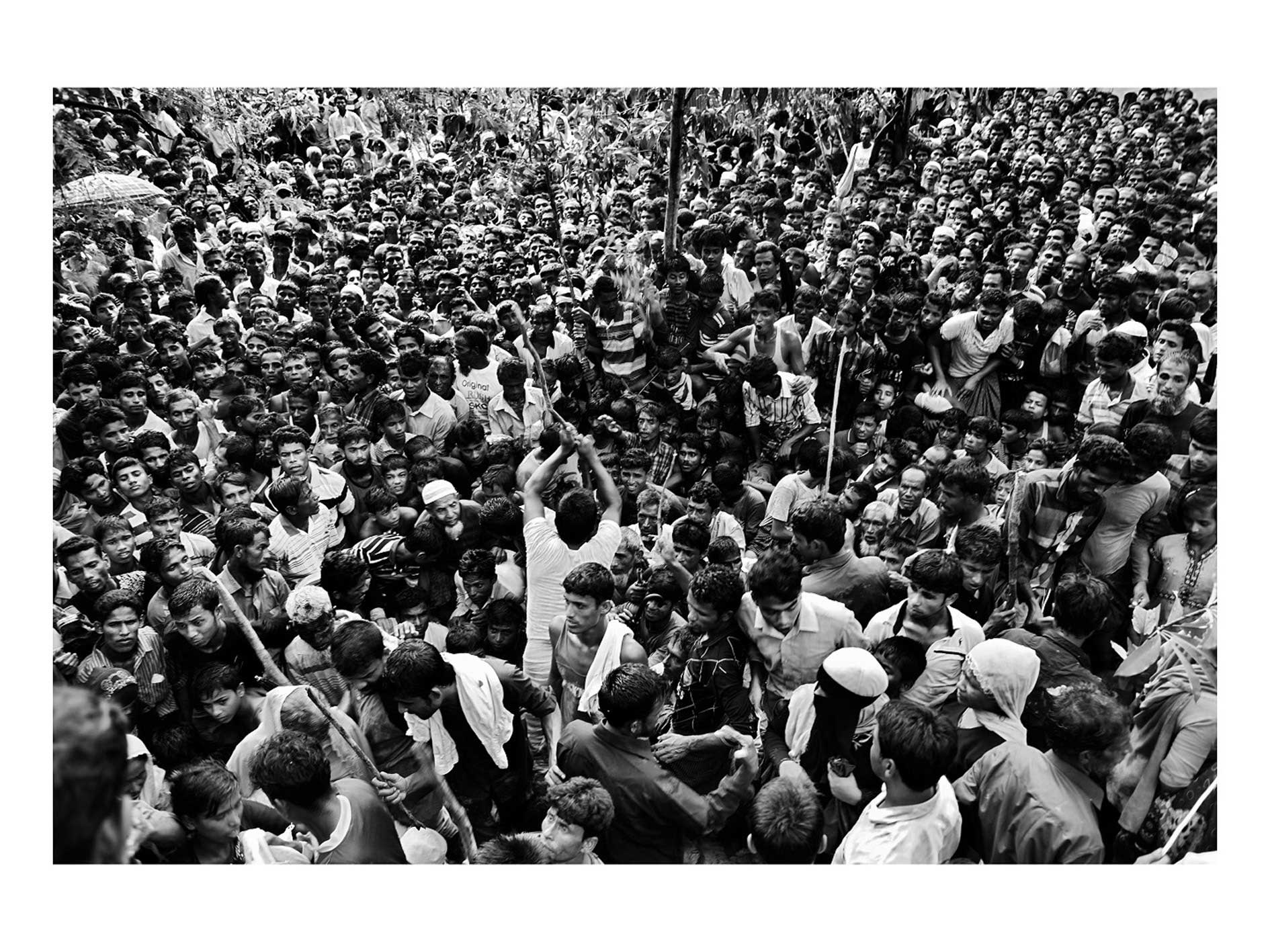
Hundreds of Rohingya men stand in line at a food distribution site and wait for humanitarian assistance. Rather than delivering relief, the trucks often served more as a magnet of desperation. Photo by Greg Constantine. Hundreds of Rohingya men stand in line at a food distribution site and wait for humanitarian assistance. Rather than delivering relief, the trucks often served more as a magnet of desperation. Photo by Greg Constantine.

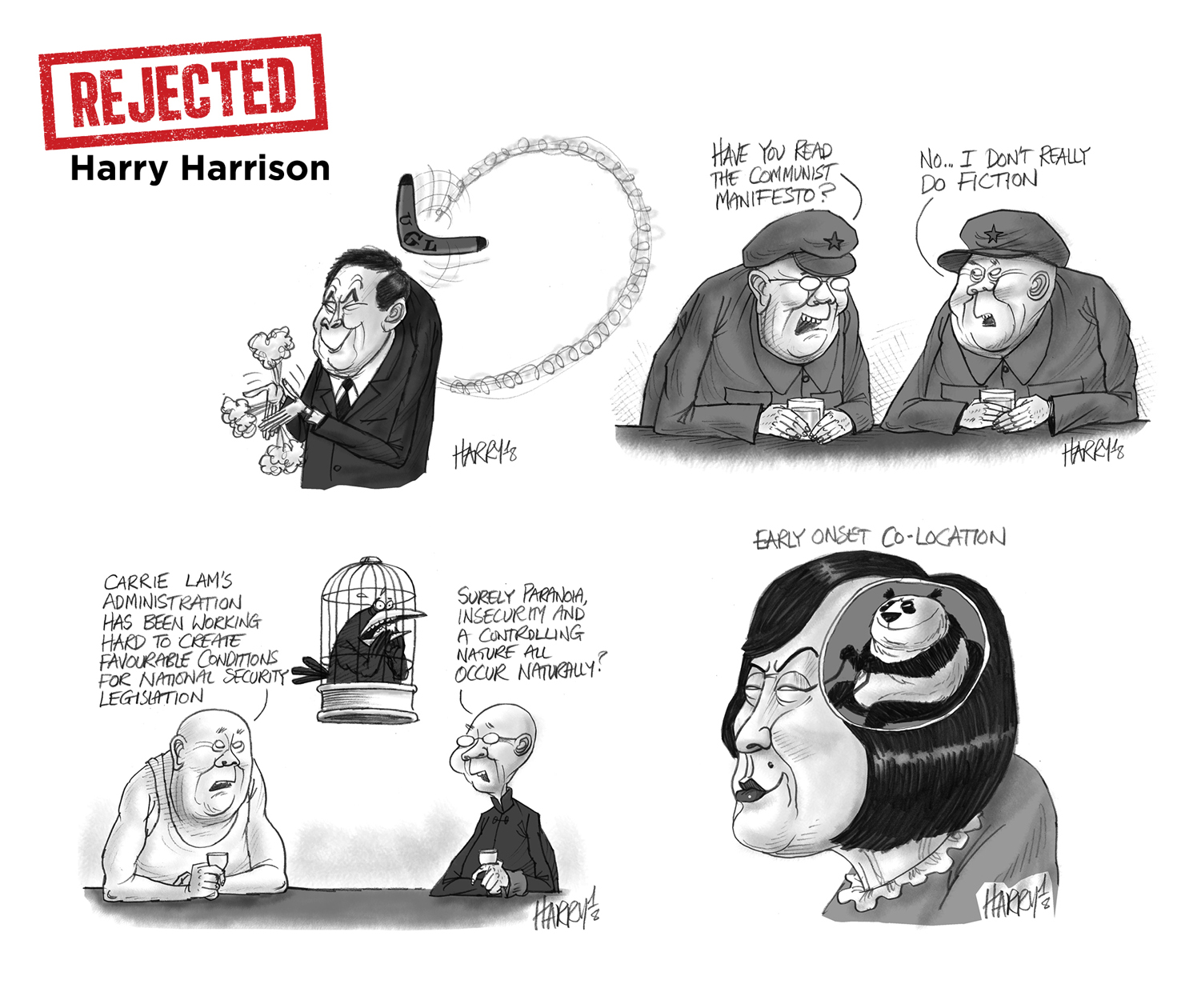
Harry’s Rejects: National security legislation, Communist manifesto

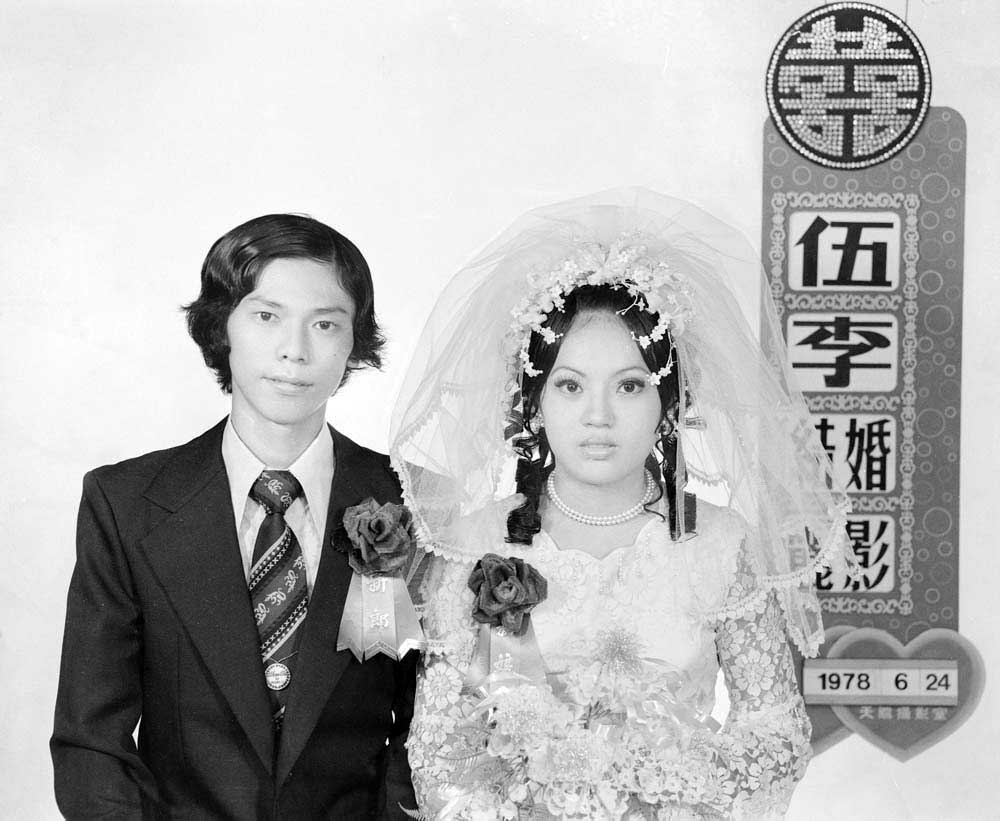
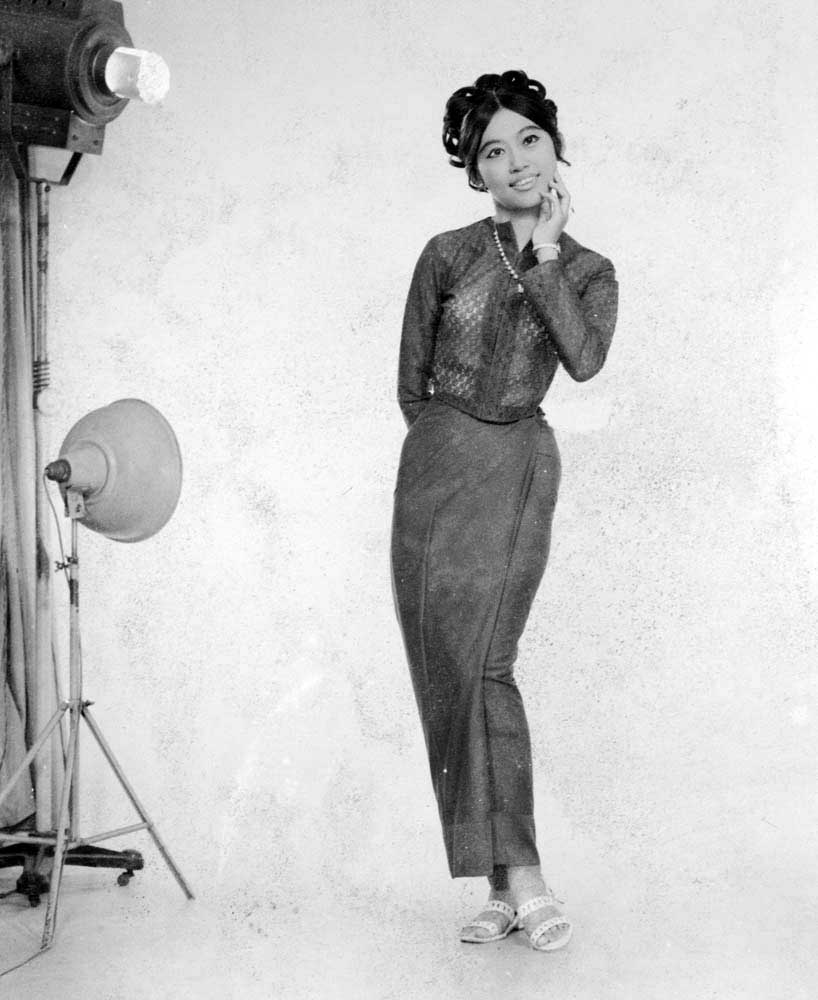
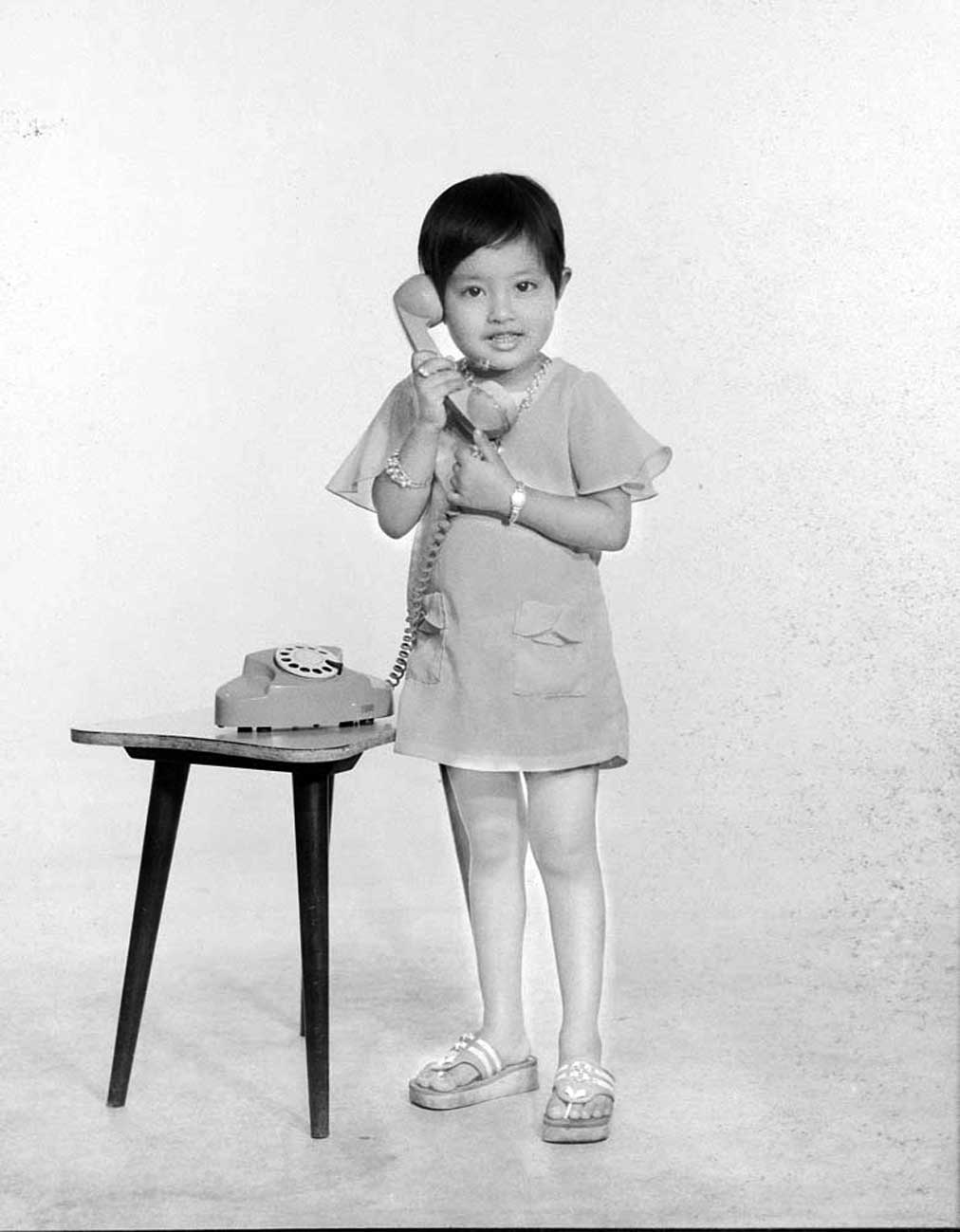
On The Wall: Yangon Studio Photography 1960-1980

Images by Lukas Birk

The Myanmar Photo Archive (MPA) is a collection of work by local photographers that has been amassed in the last four years and is still growing. This exhibition showed studio images taken between 1962 and 1985 in Yangon, many at Bellay Photo Studio in Chinatown. The studio, founded by Har Si Yone in 1969, has been family-run ever since and is still active today.

Find out more at www.myanmarphotoarchive.org

Lukas Birk is an artist, storyteller and conservator whose books such as Afghan Box Camera and Polaroids from the Middle
Kingdom
reflect his interest in preservation. His work with the Myanmar Photo Archive is an endeavour to re-interpret and tell the story of Myanmar through collected photographs taken over the last century. The collection now holds 10,000 images. www.lukasbirk.com

Photo: Lukas Birk Photo: Lukas Birk

Obituary: Garry Marchant, the peace correspondent

His address when I first met him was Far East Farm, Stanley, Hong Kong, the rather grand name for the (very comfortable) squatter settlement where he lived with first wife, Janet. It was an open house for anyone wanting to drop by for a beer and a chat. That was in about 1974. Last time we met was last June, staying at the delightful old apartment in the historic centre of Vence, south of France, where he and second wife Marnie lived. Despite an advancing cancer, he was as cheerful and welcoming as ever and came to Nice airport to say goodbye. He died at home on December 23.

Garry Marchant died at home on December 23. Garry Marchant died at home on December 23.

For someone I saw only rarely Garry Marchant, known to his closest friends as Gaz, made a deep impression on me by being true to his own personality. Not for him wars or financial crises, political disputes or gory murders. His approach to life as to journalism was summed up by the title of his book The Peace Correspondent, an anthology of his Asian travel stories. He preferred untroubled places and themes that brought smiles, not tears, just as he enjoyed wine and good food.

Garry Marchant. Garry Marchant.

Born in Pembroke, Ontario, on October 2, 1941 he grew up in Winnipeg. Four years of youthful wanderlust found him installing fire alarms in Sydney, as a malaria control officer in Papua New Guinea and a movie extra in Tokyo. Then back to Canada using a story about malaria control to get his first job in journalism – on the Powell River News, followed by the Comox District Free Press and the Nanaimo Free Press.

The travel bug then took him to Rio de Janeiro where he became editor of the Brazil Herald, the nation’s only English-language daily. Then Hong Kong where Garry quickly found a reporting job on the South China Morning Post and then as a desk editor at the Far Eastern Economic Review. But sitting at a desk was not his idea of life.

He returned to Canada as travel editor of Vancouver magazine from 1977 to 1989, producing what many believed the magazine’s best work. During this time he met Marnie Mitchell who became his second wife and companion till his death. The two moved back to Hong Kong in 1999 where Garry continued to show ferocious energy to travel and write while Marnie edited for various publications and the HK Tourist Association.

Next came a move to Paris, in 1999, and then their final move in 2011 to Vence. Garry stayed active and travel-eager, writing guidebooks to Paris to add to another on Canada. The last two years were dogged by his painful fight against a new cancer, of the bile duct. But to the last Garry never ceased to be as optimistic and cheerful as his writing.

Philip Bowring

Les Wiseman, a fellow Canadian writer and friend, adds:

Garry Marchant. Garry Marchant.

It is hard to write about Gaz in the past tense. He might have been in Hong Kong or France, but he was always there, a guiding light and an anchoring rock in my life. He was cut of a stronger bolt of cloth than I. Travel is an exhausting business, but professional travel where you have to come back with the story is a much harder task than simple sightseeing. He seemed to thrive on a schedule that would have exhausted a lesser man. And nobody brought back the stories better than Garry Marchant. His Faraway Places column in Vancouver magazine was often the only story worth reading in the magazine. And his photos were astonishing. He was one of the dearest and wisest men that I have had the pleasure of knowing.


Obituary: Cartoonist Morgan Chua

Born Singapore May 3, 1949; died Bintan, Indonesia, March 22, 2018

In outward appearance he could seem like an electrified imp, writes Philip Bowring.

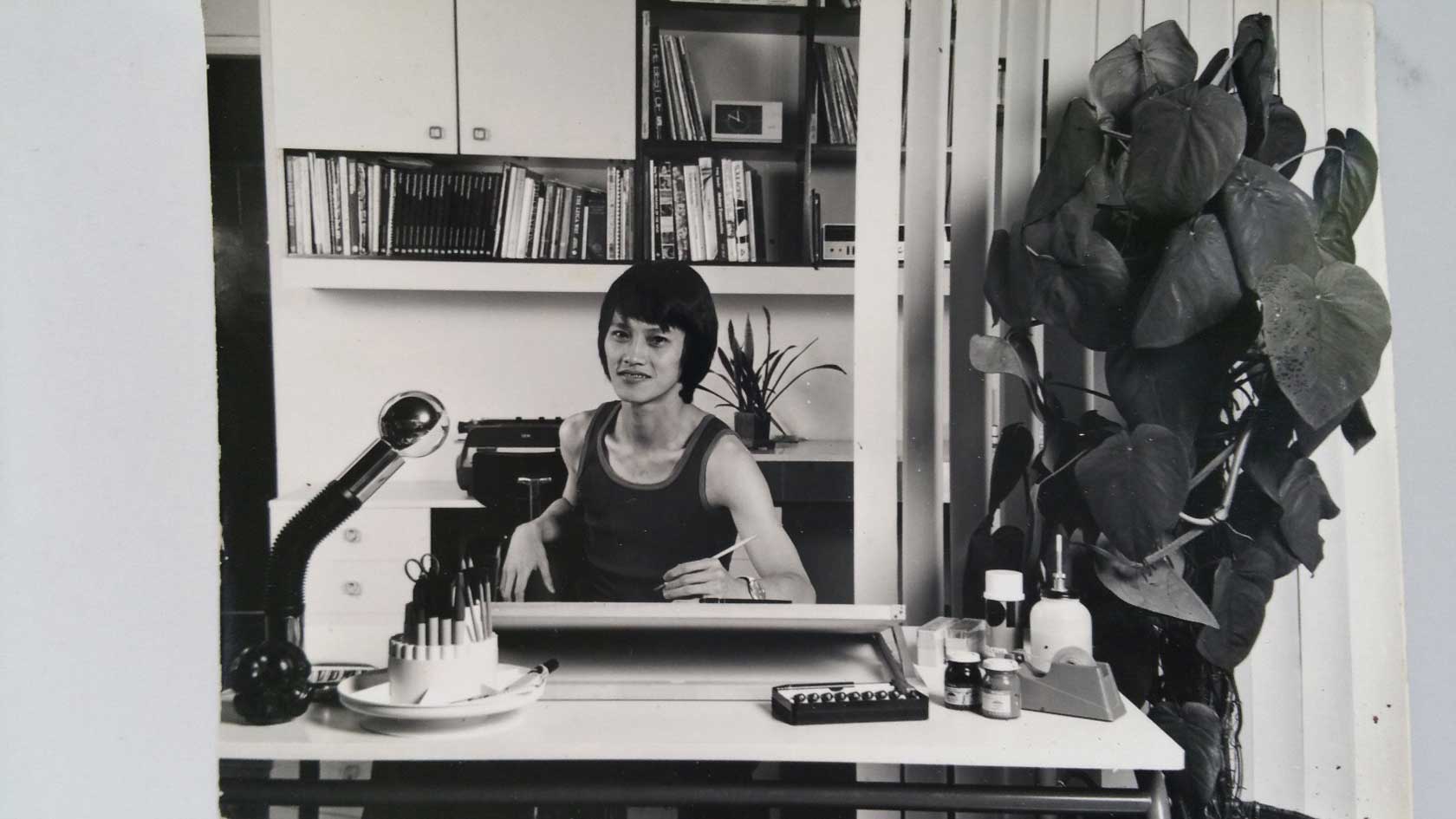
Morgan Chua as a young man Morgan Chua as a young man.

But no one was more seriously committed to his craft than Morgan. He joined the Far Eastern Economic Review in the same year as I did and for a while, immediately after his October 1974 marriage to his Taiwanese wife Lynie Lee, we shared a flat in Conduit Road, an experience which showed that under an occasionally volatile exterior was a very polite, principled and considerate individual.

Morgan, born Chua Heng Soon (Ω≤ø≥∂∂), was already well-known when he arrived at the FEER. While on national service in the Singapore Armed Forces (SAF) in 1967, his drawings were published by the SAF magazine, The Pioneer. His remarkable talents soon had him working for the newly-established daily in 1970, the Singapore Herald, as the chief editorial artist. But that career was to be cut short. In 1971, Mr Lee Kuan Yew closed the paper concocting allegations of foreign financed “Black Operations”. The reality was that the paper was critical of the prime minister, who was additionally offended by Morgan’s cartoons of him.

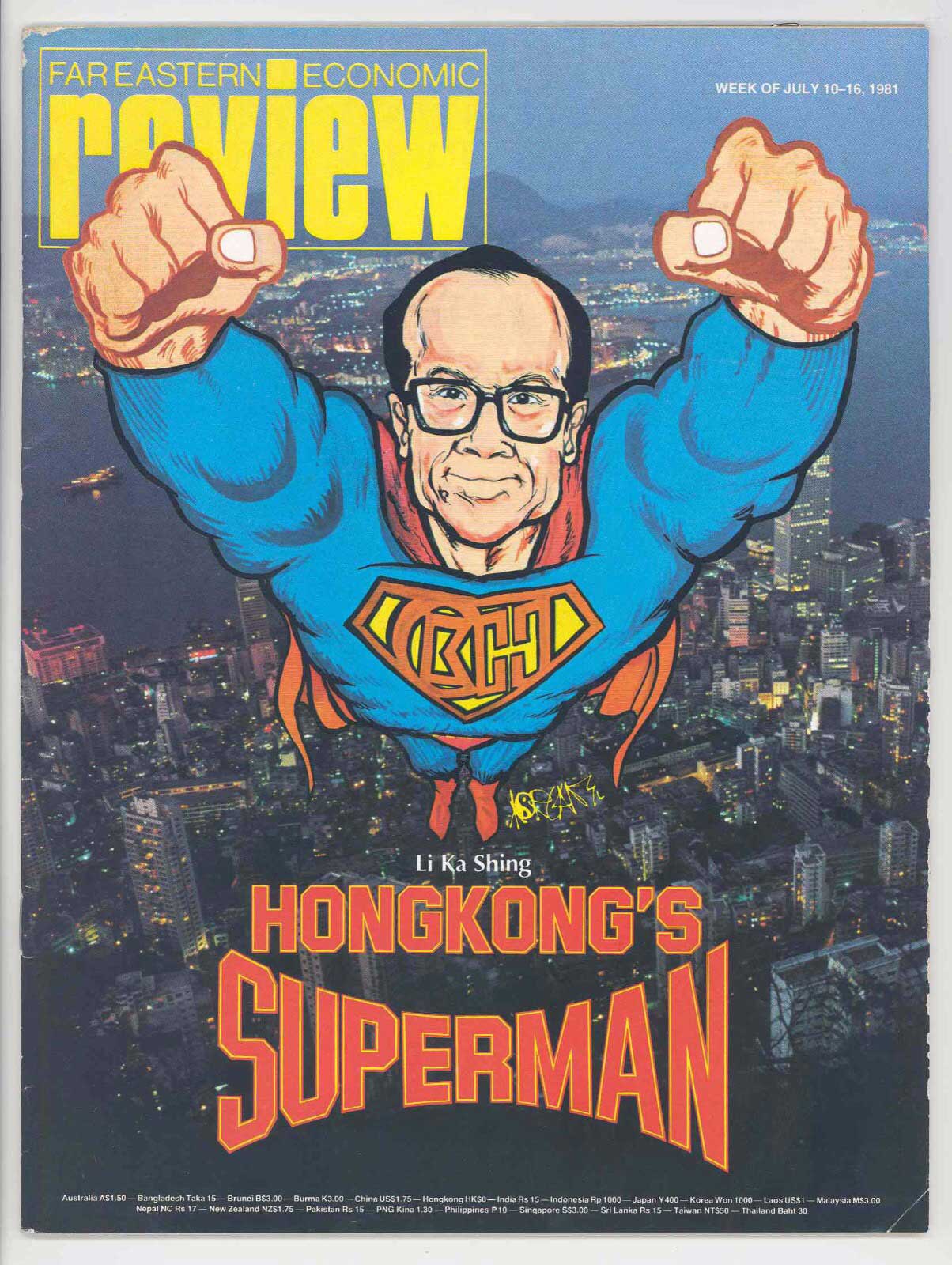
Morgan’s famous Super Li FEER cover, 1981 Morgan’s famous Super Li FEER cover, 1981

So he moved to Hong Kong, to the new weekly, The Asian. But that too had a brief life for economic reasons. So after travelling around Europe, in late 1972 he began to do cartoons for the FEER. Very soon these led to him becoming it first art director on December 1, 1972, immediately putting FEER covers on the map with his striking images of leaders such as Prince Sihanouk, Tun Razak, Indira Gandhi and Lee Kuan Yew.

The FEER became perhaps the most widely known English language publication in Asia. Morgan’s covers and cartoons were a major contributor to this success, but Morgan himself was untouched by his fame which saw iconic covers such as his still famous image of Li Ka-shing as Superman, and Margaret Thatcher leading the surrender, Singapore style, of Hong Kong to Deng Xiaoping.

Morgan took a sabbatical from the FEER in 1988-89 to travel the Silk Road and other parts of China. That happened to coincide with June 4, 1989, and Morgan was so shocked by this event and by what he saw as Deng Xiaoping’s betrayal of the progress achieved since the death of Mao, that he drew more than 100 cartoons which were published in his book, Tiananmen.

Final issue of the Singapore Herald, 1971 Final issue of the Singapore Herald, 1971.

Returning to FEER, he remained with it till changing circumstances at the publication combined with a desire to return closer to his Singaporean roots. He had mellowed, though it was less certain that Singapore had too. Most of the next 20 years were spent between Singapore and Bintan, the island just across the straits from Singapore. It was close enough to the city, but Morgan was now happier with the quieter life in the kampong with his partner and adopted daughters.

In addition to commercial work, he accepted the limitations of cartooning in Singapore and became acceptable to the leaders, including doing a book of cartoons of Lee Kuan Yew which was, he said, to “show the human side” of the leader. He became an inspiration for young illustrators. But he never lost his commitment to political cartooning and accused local editors of self-censorship, noting that as a result “local cartoonists love to draw caricatures of other leaders except our own”.

Morgan was hard at work right up to the time he had a pleural effusion and went into a coma from which he never recovered. His body was returned to Singapore for cremation on March 23, 2018. This premature death was doubly tragic for his many friends, and family in Hong Kong.

His resting place at Mandai Columbarium, Singapore, is engraved with his signature mascot, a Taurus bull, and his words: “History is not just text and old photographs. Cartoons light up the pages and one cartoon speaks a thousand words. For many, word is power. For me, power lies in my brush.”

He is survived by his Hong Kong-based son, Zen, and grandson Leroy.

On The Wall: Young Lenses

Photographs by students of HKU, City University, Baptist University and SCAD

How do the youth of Hong Kong view their world? In the FCC’s Young Lenses exhibition, students presented photos of Hong Kong as they see it. With their images, these budding photographers and photo-journalists capture poignant moments of Hong Kong in the news, Hong Kong on the streets and Hong Kong life as it happens.

In this first exhibition by student photographers, the FCC presented works by our future colleagues and contributors to the world of media and journalism.

The FCC Wall committee would like to thank Kees Metselaar of The University of Hong Kong, Birdy Chu of City University of Hong Kong, Robin Ewing of Hong Kong Baptist University and Adam Kuehl of SCAD Hong Kong for their assistance in selecting photographs by their students for submission to this exhibition.

Adam White & Cammy Yiu, FCC Wall committee

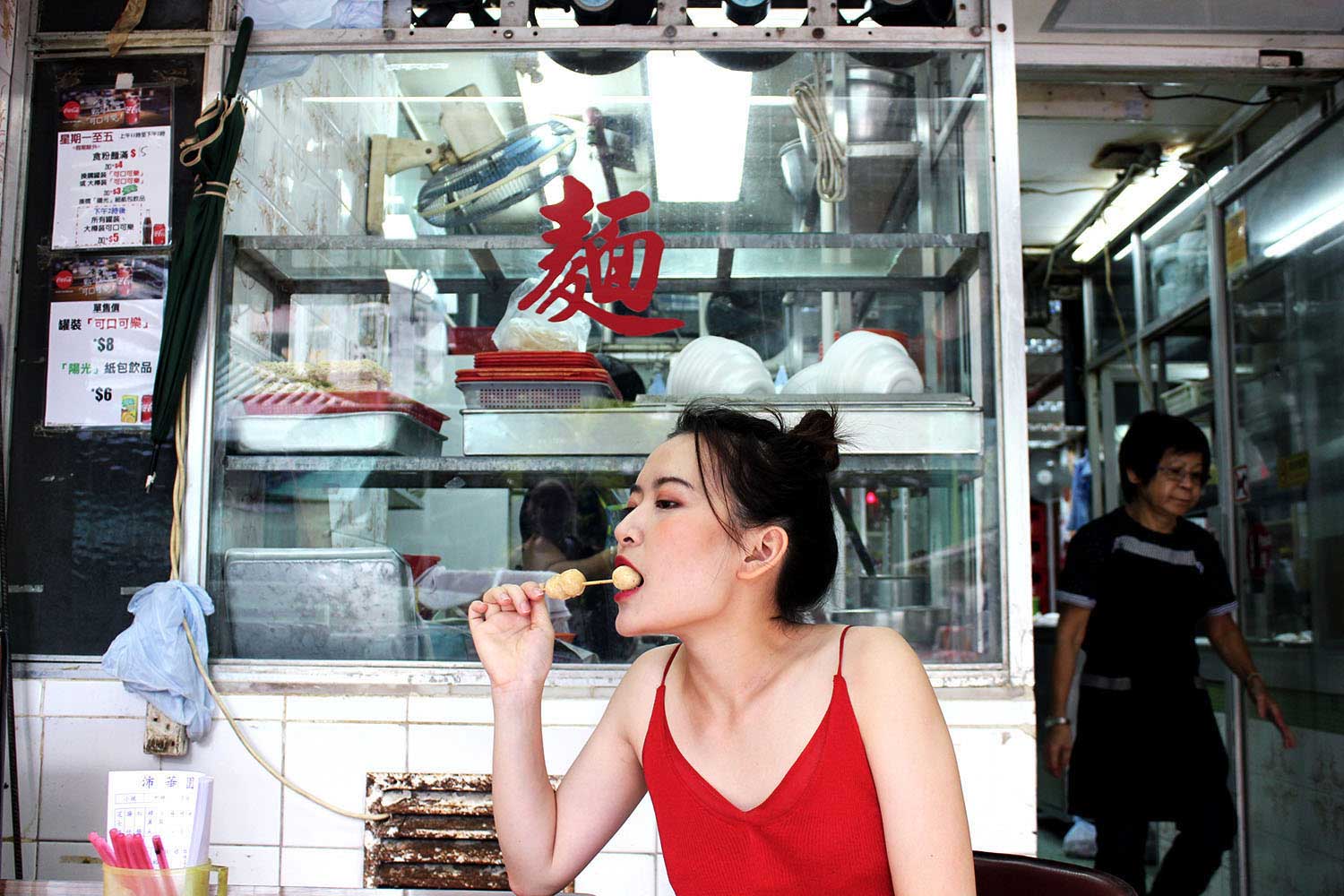
Krupenina Katerina, City University: Caroline was one of the first people I met in Hong Kong. It is her undying love for this city and its people that makes her so special. Krupenina Katerina, City University: Caroline was one of the first people I met in Hong Kong. It is her undying love for this city and its people that makes her so special.
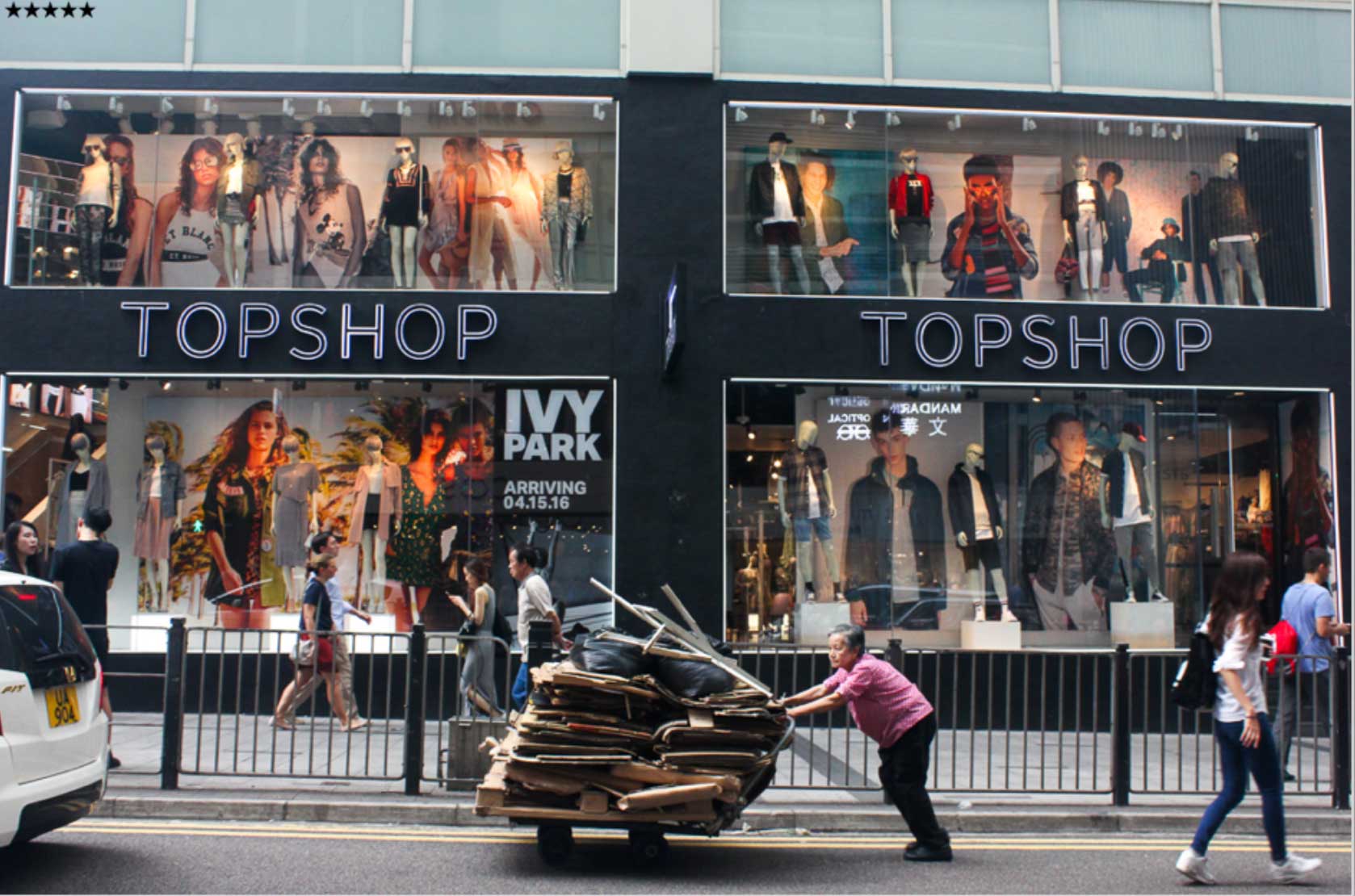
Magoo Sahil, University of Hong Kong: A poor woman pushes her four-wheeler loaded with cardboard on one of the streets in Central, Hong Kong, 2016. The different lifestyle of the rich and poor people can be seen as she waits at the red light in front of a shopping mall Magoo Sahil, University of Hong Kong: A poor woman pushes her four-wheeler loaded with cardboard on one of the streets in Central, Hong Kong, 2016. The different lifestyle of the rich and poor people can be seen as she waits at the red light in front of a shopping mall.
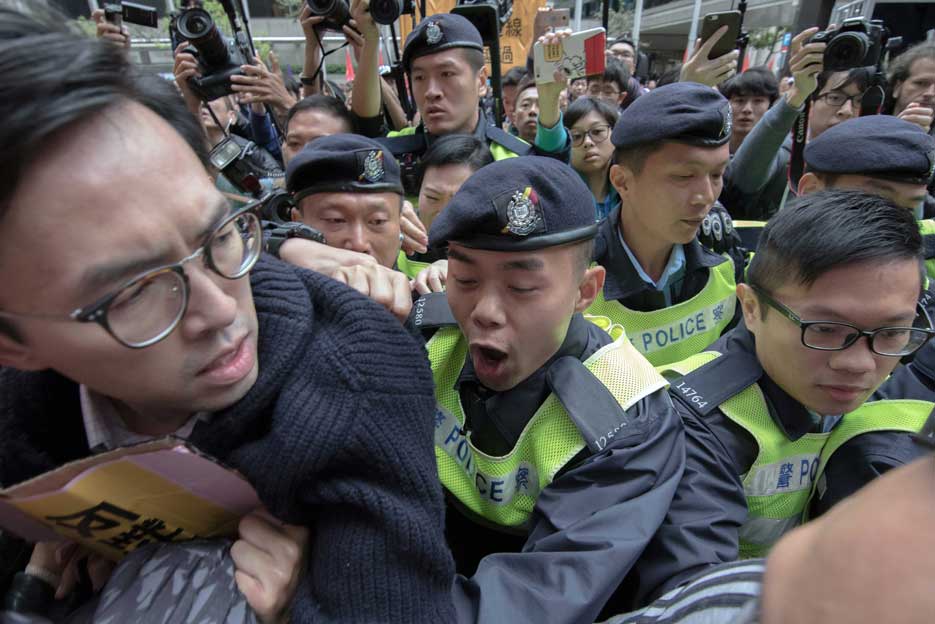
Lee Yui Chit Eugene, Hong Kong Baptist University: Avery Ng Man-yuen, chairman of the League of Social Democrats, is grabbed by police at a protest on March 26, 2017 outside the Hong Kong Convention and Exhibition Centre during the chief executive election. Lee Yui Chit Eugene, Hong Kong Baptist University: Avery Ng Man-yuen, chairman of the League of Social Democrats, is grabbed by police at a protest on March 26, 2017 outside the Hong Kong Convention and Exhibition Centre during the chief executive election.
Engh Cara, SCAD: Tung Wan Beach, Cheung Chau. Engh Cara, SCAD: Tung Wan Beach, Cheung Chau.
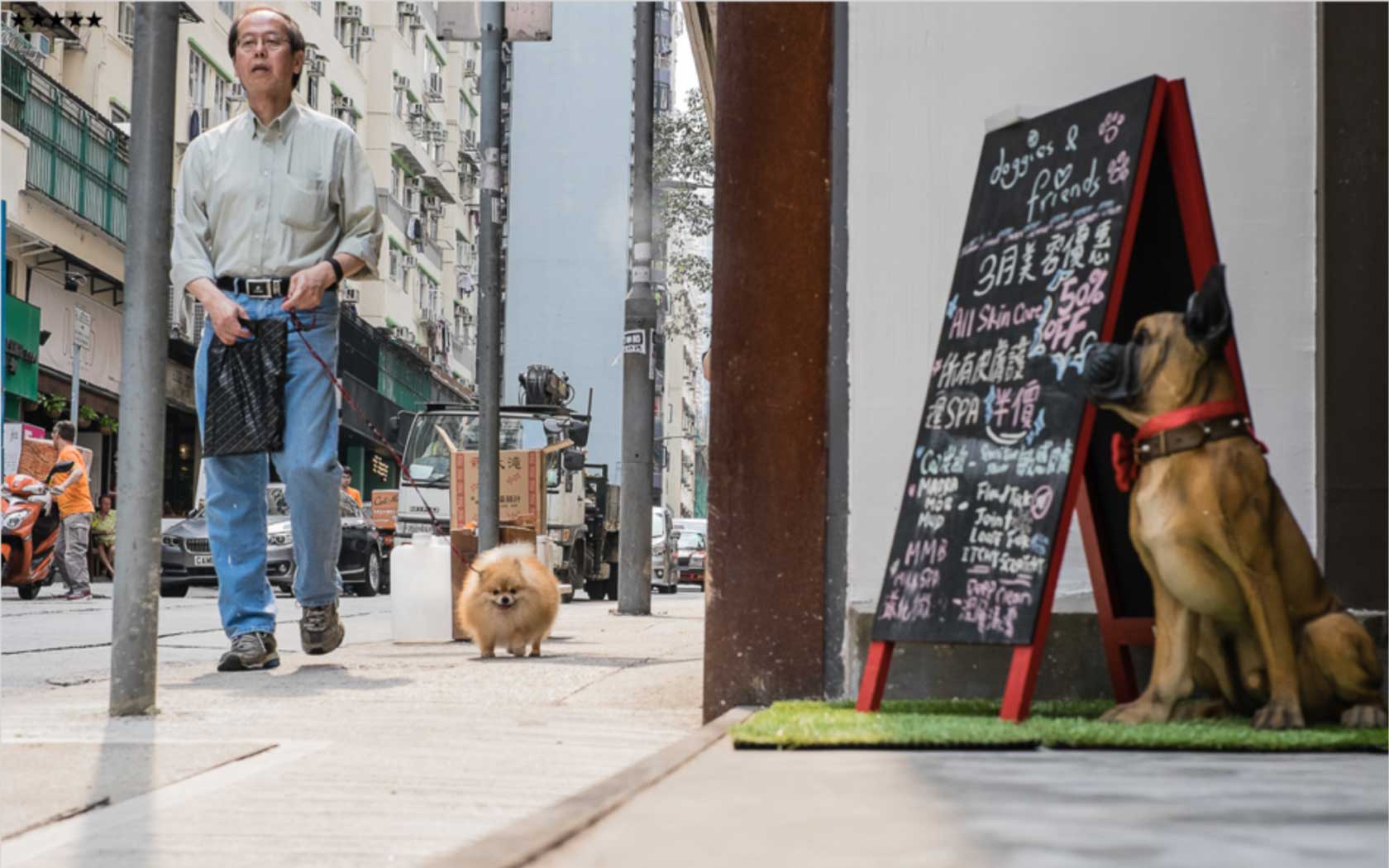
Loho Petra, University of Hong Kong: Male dog owner walks past a dog spa on High Street, Sai Ying Pun, 2016, with his Pomeranian. Loho Petra, University of Hong Kong: Male dog owner walks past a dog spa on High Street, Sai Ying Pun, 2016, with his Pomeranian.

Battle is on to stop 25-storey hospital casting a shadow over the FCC

Across the road from The Foreign Correspondent’s Club is the Bishop’s House, a heritage landmark with a distinctive octagonal tower, writes John Batten.

Artist’s impression of proposed 25-storey hospital at the SKH site. Artist’s impression of proposed 25-storey hospital at the SKH site.

Dating from 1843, it is one of Hong Kong’s oldest colonial buildings and housed the original St Paul’s College. Despite its bona
fide
heritage credentials, it has only been accorded a Grade 1 heritage grading by the Antiquities Advisory Board, rather than the higher ‘Monument’ status – a heritage grading ensuring its full preservation and protection from demolition.

Scroll down for the latest update on how you can comment on this application

A long land lease for this site was granted to the Hong Kong Sheng Kung Hui (SKH or Anglican Church) in the first year of British rule in Hong Kong. This lease allows the SKH to operate a theological college, a school, St Paul’s Church, a hospital and provide staff accommodation.

For over 160 years, Bishop Hill has been home and office of the Bishop of Hong Kong, the most senior Anglican cleric in the city. The Bishop’s home is sited mid-distance between the former Government House, now-Chief Executive’s House, and St John’s Cathedral.

It occupied a traditionally strategic and symbolically important position in the colonial pecking order: Government Hill with its (former) Central Government Offices and government decision-makers were just across the road.

In addition to the Bishop’s House, there are three other graded heritage buildings on the site and a beautiful grassy open space runs up the hillside parallel with Glenealy. In Hong Kong, with the exception of the just-renovated and opened Tai Kwun/Central Police Station, Bishop Hill has the highest concentration of graded heritage buildings in one dedicated area.

Following the controversial demolition of the ‘Star’ Ferry building in Central in 2006 and the success of the Central & Western Concern Group’s advocacy to preserve the modernist PMQ buildings, the government was pressed to formulate a heritage policy for the city’s Central district.

In 2009 the Development Bureau announced its Conserving Central policy of “eight initiatives to preserve many of the important cultural, historical and architectural features in Central while adding new life and vibrancy to the area”. The SKH site was one of those initiatives.

In 2011 it was announced that Bishop Hill would include a redeveloped 18-storey community centre (on the site of the former Central Hospital) and relocation of the church’s theological college and kindergarten, now operating inside St Paul’s Church, to a property owned by the SKH on Mt Butler.

Legislative Councillors inspecting Bishop Hill in response to a complaint to the Legislative Council’s Complaints Committee Legislative Councillors inspecting Bishop Hill in response to a complaint to the Legislative Council’s Complaints Committee.

However, this plan was stymied by strong opposition from the well-heeled residents of Mt Butler. They argued, among other considerations, that there would be greater traffic congestion if the kindergarten were relocated.

In 2017, documents were tabled to the Central & Western District Council outlining a new initiative for the site by the SKH. A few months later, illustrated plans for a 25-storey “non-profit-making private hospital” were unveiled with the new hospital closely wedged between the site’s historic buildings and covering the site’s grassed areas.

Signage for St Paul’s College on Bishop Hill’s Lower Albert Road exterior wall Signage for St Paul’s College on Bishop Hill’s Lower Albert Road exterior wall.

This huge building would straddle the entire Bishop Hill, running uphill between Lower Albert and Upper Albert Roads. The SKH’s proposal includes car parking facilities and a new run-in/run-out entrance on Lower Albert Road, with little consideration for pedestrians and current traffic congestion. This plan was presented with no prior discussion with the public.

The proposed hospital is out of proportion to the site’s other low-rise heritage buildings and adjacent heritage buildings, including the Chief Executive’s House and the FCC. This development will have a detrimental visual impact on a unique heritage corridor that begins at the low-rise FCC building and ends at St John’s Cathedral and the former Court of Final Appeal – both heritage buildings accorded Monument status.

Heritage and conservancy groups have again come together to object to the SKH’s Bishop Hill redevelopment. Under the umbrella of the Government Hill Concern Group, which previously successfully campaigned for the retention of the West Wing of the former Central Government Offices when it was threatened with demolition, a pre-emptive planning application has been filed with the Town Planning Board.

The application has a simple proposal: that any redeveloped hospital be of the current hospital’s 6-storey height and footprint and that the entire Bishop Hill site and its four heritage buildings are preserved and treated with respect within a new statutory heritage zoning encompassing a heritage corridor that also includes the former Central Government Offices and St John’s Cathedral. Determined public support for this proposal will ensure that ‘Conserving Central’ lives up to its promise! n

  • The application can be read at www.info.gov.hk, the government’s website. 

    UPDATE 27/9/2019: Town planning in Hong Kong can take ages to complete and the process can be complex. The proposed redevelopment by the Hong Kong Sheng Kung Hui (Anglican Church) of the former Central Hospital next to the Bishop House and across from the FCC is currently going through another stage of its planning. I have previously outlined in the FCC’s The Correspondent* magazine the historic importance of the entire Bishop Hill site with its four heritage buildings, trees and greenery. Below is an update on efforts to protect it from overdevelopment.

    The Government Hill Concern Group (GHCC) is a group of heritage advocates who came together to campaign against the demolition of the West Wing, one of the three wings of the former Central Government Offices (CGO), sitting on Lower Albert Road adjacent to the Bishop House, Government House and the FCC. Demolishing the West Wing would have destroyed the modernist architectural integrity of this historic site, the city’s original seat of government administration from the first days of British colonial rule in Hong Kong.

    After a concerted campaign, culminating in a meeting with then-Development, now Financial Secretary Paul Chan Mo-po, the West Wing was saved. Its renovation for the Department of Justice is nearing completion and it will soon reopen. You may recall that the West Wing previously had an elevator that gave public access from Queen’s Road Central up to Lower Albert Road. Once the West Wing reopens, this lift access should again be available to give the public an alternative, non-hill route to the Bishop Hill area.

    The integrity of the former government hill site is now assured and the GHCC has regrouped to campaign for the adjacent Bishop Hill site to be similarly and appropriately conserved. A planning application was made last year requesting the Town Planning Board properly plan the site rather than immediately allow the Anglican Church to redevelop it without additional public consultation. The Town Planning Board agreed with the concern group, and an Outline Zoning Plan (OZP) has been prepared by the Planning Department and was recently open for public scrutiny. In this OZP – which outlines broad-brush statutory planning details for all areas of Hong Kong – a height restriction of 135 metres (about 25 storeys) has been recommended for Bishop Hill by the Planning Department.

    The GHCC argues this height is too high and any new development of consequent scale and bulk would overwhelm this sensitive heritage site. The group has now submitted a considered counter proposal in a submission to the Town Planning Board. The GHCC argues that the entire site should have a height restriction of no higher than 80 metres (about 20 metres higher than the former Central Hospital’s current height), and that any new development only be allowed to be built on the footprint of the current buildings. This proposal will still allow the Anglican Church to develop, or renovate, the former Central Hospital, but will not overwhelm the site’s heritage and greenery. This restricted height will also contain the bulk and form of any new building, alleviate traffic congestion, and retain the unique historic ambience of the entire Bishop Hill.

    The GHCC will make oral submissions to the Town Planning Board at a hearing to discuss the OZP in the next months. Anyone else who makes a comment on this application can also address the Town Planning Board – which makes a decision after hearing all submissions. Please make a comment – forms are here and here.

We measure site performance with cookies to improve performance.