Members Area Logout

How COVID-19 Has Impacted Hong Kong Media

As Rick Boost discovers, the pandemic has pushed many media organisations in Hong Kong to adjust workplace policies, find new revenue streams and come out stronger. 

When COVID-19 swept across the globe in early 2020, it pummeled many media companies. Some slashed freelance budgets, others cut staff, closed offices and reduced nonessential spending.

Here in Hong Kong, we’ve witnessed mass staff layoffs and office closures – as seen at i-Cable and Quartz, respectively – as well as radical shifts in how teams work together. Nearly two years on, media companies in Hong Kong have found some footing, but the ground continues to shift.

“In early 2020, no one could have foreseen the impact that COVID would have on our personal and professional lives and changed the ways we live, work and interact,” says Atifa Silk, the Asia managing director of Haymarket Media.

“We had to adapt quickly and, thankfully, most of our people were able to embrace the changes and reap the rewards that working from home can bring.”
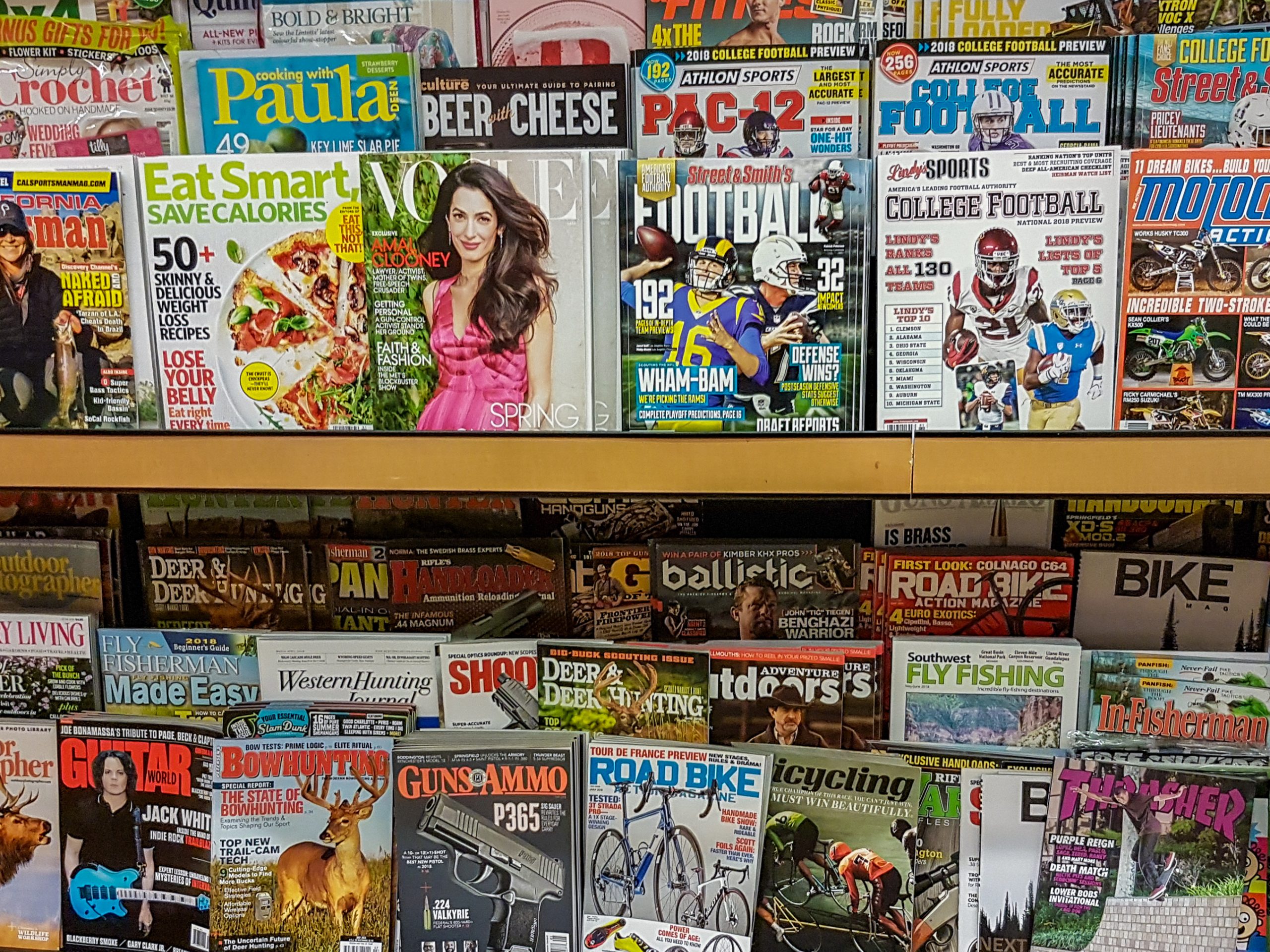
Magazines Entertainment and media revenue in Hong Kong plummeted 11.8 percent, or US$1 billion, in 2019, according to PWC.

The great migration

In early 2020, the government appealed to employers to allow staff to work from home to minimise social contact. Many Hong Kong media companies, including Haymarket, swiftly instated mandatory work-from-home (WFH) policies and entered a period of trial-and-error.

While Haymarket identified many benefits with remote work – more efficient meetings, fewer distractions, no commutes, time with family – they encountered a fair share of hurdles, too. “The sparks of creativity that happen in face-to-face conversations are hard to replicate virtually,” says Silk. “There can be fewer opportunities for immediate support and training for young talent. And there is the pressure of feeling like you’re always on – that lack of separation between work and home life can impact wellbeing and mental health.”

In September 2020, Haymarket conducted a company-wide survey on flexible work, asking staff: “Would you value the option to work from home one to two days a week?” Roughly 96 percent of staff in Asia responded positively. So, in November 2020, the company began piloting a flexible work model that encouraged employees to work from home. Since moving into a new office in Sheung Wan in August 2021, the company has refined the model. Now, all staff work in the office three days a week – two of which centre around collaborative tasks.

Cliff Buddle, special projects editor at the South China Morning Post and FCC board member, says remote work shook up the legacy publication. “For the first time in our history, we produced a newspaper with no editorial staff in the newsroom,” he says. “This was done at very short notice when our office temporarily closed. It was an impressive achievement, given that print publication requires much collaboration.”

Nick Thorpe, the East Asia director of media intelligence platform Telum Media, says many media companies in Asia had resisted the move toward remote work before the pandemic due to a “complex web of cultural and social hurdles”.

“Some staff had never worked from home before and found the prospect so alien – both due to traditional workplace structures and small apartments,” he continues.

“Some [people] opted to remain office-based even at the height of the pandemic, while others have barely been into the office for 18 months.”

By contrast, some young, nimble companies like Liv Media have long preferred flexible work models, encouraging employees to work remotely since launching its flagship, Liv magazine, in 2015.

“While there is a slight tradeoff in efficiency, we have seen great staff retention and overall employee satisfaction as people feel they have more control over their lives,” says Sarah Fung, Liv Media’s founder and publisher. “Productivity isn’t measured by a punch card – if you have good employees, you can trust them to manage their own schedules.”


5 Media Trends to Watch

  1. Remote Work: WFH will become an acceptable, and expected, aspect of employment.
  2. Health and Safety: Wellbeing in all its many guises will be an essential part of any work contract.
  3. Audiophilia: Podcasts are commanding more and more attention.
  4. New Revenue Streams: With so much free content on offer, media must look to value-added services.
  5. Social Media+: Instagram, Facebook, Twitter and their progeny will command ever greater importance.

Sarah Fung During the downturn, Liv Media publisher Sarah Fung looked to new revenue streams such as awards, supplements and content creation.

Revising revenue streams

COVID-19 exposed the vulnerabilities of many industries – and media was not spared. In its “Global Entertainment and Media Outlook 2020-2024: Hong Kong Summary”, PricewaterhouseCoopers (PWC) reports that entertainment and media revenue in Hong Kong plummeted 11.8 percent, or US$1 billion, from US$8.5 billion in 2019 to US$7.8 billion in 2020.

“Hong Kong revenue was the worst-hit compared to global and Asia-Pacific markets,” states the report. The study also found that newspapers, magazines, and online advertising markets shrank, while video games, podcasts and over-the-top video services (such as Netflix or Hulu) grew.

“The pandemic has created a challenging environment for news organisations around the world,” Buddle adds. “The economic impact has hit advertising revenues, exacerbating problems newsrooms were already facing in finding new income streams and operating models. Those challenges will continue, although there are signs of improvement in Hong Kong as social-distancing restrictions are lifted.”

Organisations like Liv Media also felt the squeeze. “Lifestyle media budgets have been affected massively,” says Fung. “When the pandemic hit, our core sales categories – hospitality, travel and tourism, food, beverage and gyms – completely disappeared.”

During the downturn, Liv Media changed its strategy to look beyond traditional advertising. A significant portion of the brand’s revenue now comes from events, awards, guides, supplements, and bespoke content creation.

Fung also rolled out a free subscription service for readers and increased Liv magazine’s distribution network to 500 points across Hong Kong. These strategies – combined with the return of traditional ad spending – have put Liv in a stronger position for growth post-pandemic, she adds.

Haymarket also regrouped and pivoted. According to Silk, the company evaluated its operations, portfolio and services. For example, Haymarket conducted market research on the finance and marketing-communications industries, including qualitative interviews with readers and clients to better understand their needs.

The company also expanded its content solutions arm, leaned into subscription models and shifted its content strategy, adopting new tools, such as the digital storytelling platform Shorthand, to boost audience engagement.

“We challenged ourselves to think differently about our audiences and platforms,” says Silk. “The reset enabled us to reshape the Asia business and transform our revenue and financial profile, giving us a clear focus on building digital-first ideas and solutions.”

PWC’s more recent outlook, published in July, seems more optimistic. The report anticipates a 7.65 percent rise in Hong Kong’s 2021 entertainment and media revenues, from US$7.8 billion in 2020 to a projected US$8.4 billion in 2021.

Fung says she’s seen some renewed momentum on the sales front. “We’ve found that clients are starting to come back,” she says. “I think they’re tired of waiting for the pandemic to end and have realised that they need to keep marketing through the ‘new normal’.”
Many companies have leaned into digital-first storytelling.

Evolving career paths

Though the employment market for media professionals seemed dire this time last year, job openings in the industry seem to be picking up again. Thorpe says he’s observed exponential growth in the number of roles posted across Asia on Telum’s online Jobs Board.

“We’ve seen a lot of media outlets subsequently bounce back and kick-start hiring again, with digital and video journalism seeing a particular focus alongside more traditional reporting roles,” he says.

But now, publishers and editors prefer new hires to be just as diverse as their new revenue streams. “There’s probably not as much of a career path for someone who is just a writer post-COVID-19,” says Fung. “Employers are looking for media professionals with lots of strings in their bow, whether that’s graphic design, SEO, social media, photography or paid content creation.”

Thorpe broadly agrees, adding that the global crisis has shaken up traditional career paths in media. The pandemic – combined with a wealth of content creation channels online – has enabled many people with multimedia skills, like podcasting or video production, to break into the industry.

Thorpe expects that aspiring and existing media professionals alike will likely need to gain new skills in order to keep up. “There has been an explosion in media brands seeking experts in data, social media, video journalism, digital content creation and so on,” says Thorpe. “And of course, every media brand is looking at audio content today – there’s a gold rush in podcasting right now that shows no sign of slowing any time soon.”


Post-COVID Skill Set

Employers are increasingly seeking enhanced skills such as:

  • Video production
  • Audio production
  • Livestreaming
  • Graphic design
  • Social media skills
  • Writing for new media formats


Rick Boost is a born and raised Hongkonger. He has overseen copy and multimedia content at several of the city’s media outlets, including as HK Editor of Marketing Magazine/Interactive.

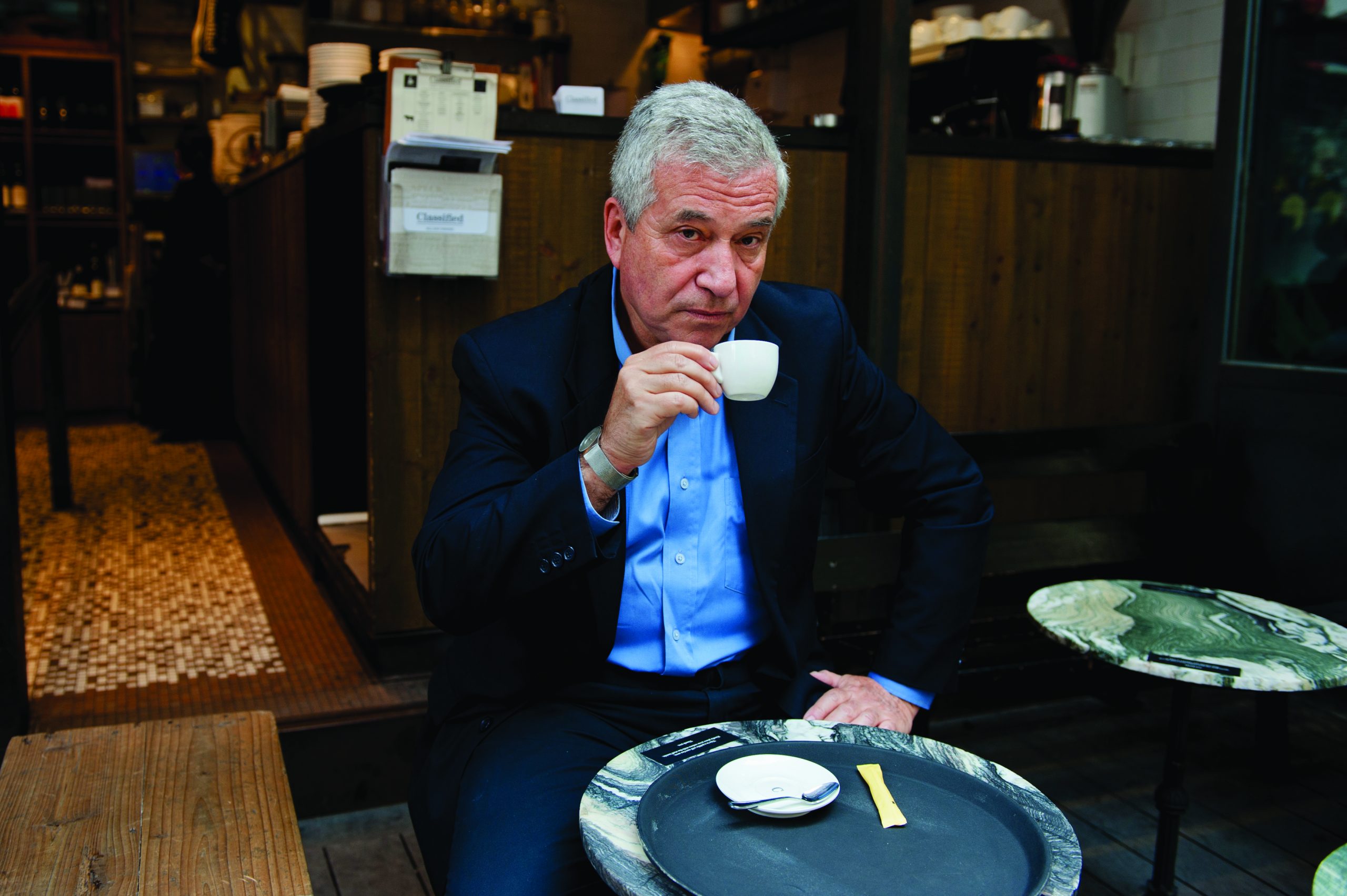
Stephen Vines on What Makes the FCC Special: ‘It’s About the People’

The FCC was a second home to Stephen Vines, who hastily decamped to England in August after 34 years in Hong Kong. The former FCC president and veteran journalist shares a few parting words with his FCC family.

Like the Hotel California, at the FCC “you can check out any time you want, but you can never leave”.

But after more than three decades of membership I have, much to my consternation, checked out. It was not easy to do so but as the “White Terror” slashes and burns through the foundations of Hong Kong, it seemed like the right time to go.

I have written extensively elsewhere about why I had to leave, so this is not the place to cover that ground again. However, it is the right place to talk about what it means to leave the FCC because the club played a pivotal place in my life before a somewhat hasty departure.

I am a fully paid-up member of Tribe Hack. We are a reprehensible group – overconfident, sarcastic, argumentative, arrogant, sometimes a bit shouty. Other times, rather sneaky, keeping things to ourselves in fear that they might find their way into rival outlets.

But at the same time Tribe Hack offers lifelong friendships, impressive mutual assistance and, perhaps most of all, the promise of escaping that worst of all afflictions: boredom.

At the FCC, all these traits come into sharp focus, making it an infuriating place but one which is simply the best journalists’ club in the world. This did not come about as a result of careful planning, or to be frank, any kind of planning.

From its early days in Chongqing to the forced evacuation to Hong Kong, the FCC was an itinerant entity, in turn finding shelter in a grand mansion, a luxury hotel, an office block and now a historic building where we stay at the tender mercy of the government.

But, of course, the club is not really about the buildings that house it – it is about the people. Some are rather famous, like Clare Hollingworth. Then there was BBC stalwart Anthony Lawrence, a true gent in every sense of the word, who had the knack of being extremely self-effacing. Hugh van Es, the gruff Dutch photographer, was always on hand to remind me that I was “talking shit” (he was often right, darn him).

I have mentioned various deceased members because I feel that discussing my relationships with the living slides to the wrong side of intrusion, but I can say without reservation that friendships formed at the FCC have been among the most important in my life.

The club is a place of cliques, magnificently long-running feuds and, at its best, offers comfort, reassurance and the kind of irreverence that stops us from taking ourselves too seriously.

It’s hard not to be maudlin at the prospect of never returning to the FCC. But having left due to the pressures and dangers of pursuing the dismal trade of journalism in Hong Kong, it would be downright myopic not to recognise the special problems that afflict an institution carrying in its title both the words “Correspondent” and “Foreign”.

However, foreign correspondents have survived in places where the pressures are considerably greater and where the threat to life is hard to exaggerate. The FCC has a plaque memorialising colleagues who were killed in the line of duty, in case we should forget. None of them perished in Hong Kong.

I am acutely aware that, for some people, the FCC is little more than a glorified bar. If it were only that, it would never produce the strong emotions that it does.

But some of us are emotional – I plead guilty.

The Correspondent, October – December 2021

Book Review: ‘Defying the Dragon’ by Stephen Vines

Stephen Vines’ prescient new book pulls few punches as it traces the furious face-off between Hong Kong and the motherland. By Mark Jones

The breakneck speed of recent events in Hong Kong now has a book that manages to keep up. Stephen Vines’ account of the past three years takes us well into 2021: only the necessities of printing halt his narrative.

That he has managed to cram over 300 pages full of reportage, narrative, interviews and statistical analysis, together with pen portraits of the main players on either side of the political divide, is a tribute to the author’s energy and formidable powers of organisation. The writing is brisk, assertive and never gets in the way of the story. As the story might be one of the pivotal events of the decade, that’s a substantial achievement.

Yet for all its drive and timeliness, Defying the Dragon: Hong Kong and the World’s Largest Dictatorship already feels like history rather than current affairs.

It is published at the precise moment that Hong Kong’s faltering, fractious history as a kind of democracy is closed. From now on, Legco will be populated exclusively by patriots whose only qualification for office will be the ownership of a small rubber stamp.

The present participle in the title suggests that the democracy movement and the majority of Hongkongers continue to defy China. His final chapter is more doubtful. It’s called “Endgame?” That question mark is interesting.

There’s no such punctuation mark over the Chinese Communist Party’s own endgame now that it has enacted the National Security Law (NSL). Nor has there been since the chairman of China’s Legislative Affairs Commission, Shen Chunyao, announced at a press conference that Beijing will “exercise full control over all aspects of policymaking in Hong Kong”.

Stephen Vines

Vines has the reporter’s – and the historian’s – knack of spotting a big moment which the rest of us may well have forgotten or overlooked. That is one of the book’s strengths. Prophecy is not.

“There is every reason to believe,” he writes, “that Hongkongers will continue demonstrating the same resilience and creativity that drove the 2019-20 uprising.” Perhaps so, but he does not venture to say how. Either he does not know what the opposition’s next move will be; or he’s not saying; or they, understandably, are not telling.

Balance and equivocation are also not facets of Vines’s narrative. The 2017 Netflix documentary about Joshua Wong (whose words appear on the cover urging “anyone who cares about Hong Kong and China” to read the book) was subtitled “Teenager vs Superpower”. There’s no superpower in Vines’s book, but “The World’s Largest Dictatorship”.

No equivocation either: in his view, China’s, and Xi Jinping’s, actions in Hong Kong follow the progress of all dictatorships and dictators.

And that progress invariably comes to an abrupt and often bloody end. Here, geo-political analysis falls prey to wish-fulfillment. Parallels with the fall of the USSR ignore the fact the former Soviet Union was bust, and its leaders knew it. You can call Xi’s China lots of things, but bust isn’t one of them. Apartheid fell partly because South African business got tired of being shut out of international markets. Yet last year, a record US$11 trillion worth of payments were cleared in Hong Kong. That does not look like an international capital market preparing to vote with its feet. You wonder if the forced kowtowing to Beijing on the NSL from the SAR’s business community is actually that forced at all. Business craves stability. Xi is obliging.

This is an important book whose importance will depend on when and where it is read. The timing is immaculate: it appears at a time when the post-Trump West is getting serious about articulating a concerted, meaningful position on China. As for where, only a few favoured politicians and censors will bother in China. Perhaps that will be the case in Hong Kong, too. But for policymakers in Brussels and Washington, London and Tokyo, the book will be an absolute page-turner.

Pick up a copy at the FCC or online via hongkongfp.com.

Speaking Out About Speaking Out

After facing a challenging 2020, journalists based in Cambodia, Indonesia, the Philippines and Thailand joined the FCC to discuss how the pandemic has affected press freedom in Asia. By Morgan M Davis 

Last year was difficult for people around the world, and journalists, in particular, faced challenges on new fronts, battling harassment, attacks by the police and the manipulation of laws meant to punish reporting. In Asia, the struggle was acute. Of the 180 countries ranked by Reporters Without Borders in its annual World Press Freedom Index, only two countries in Asia made the top 50: South Korea and Taiwan. Many countries in the region are near the bottom of the rankings.

During the FCC’s 3 May Zoom event, four panelists told moderator and FCC President Keith Richburg that the COVID-19 pandemic has created new barriers for reporting, as governments are particularly sensitive about how their response to the virus is perceived.

“Governments are not going to take very kindly to any suggestion that they have screwed up this phase of COVID management,” says Gwen Robinson, editor-at-large of Nikkei Asia and past president of the Foreign Correspondents’ Club of Thailand.

COVID has provided an excuse for governments to tighten their hold on the media, and control the narrative, while ensuring that vaccine updates and virus case numbers look as positive as possible. Countries like Thailand, which relies so heavily on international tourism, have been sensitive to any news that appears critical and could hurt the reputation of the country abroad.

How to approach critical reporting varies by country. In Indonesia, the Electronic Information and Transaction Law has been in place since 2008 to govern the internet. Ed Davies, Southeast Asia news editor for Reuters and president of the Jakarta Foreign Correspondents’ Club, says the law is open to broad interpretation. What regulates defamation, hoaxes and hate speech can easily be used to suppress the media online, he says. The law also allows the government the right to restrict internet access, as it did in West Papua in 2019 in response to civil unrest.

The Cambodian government has been swift to identify “fake news”. (Photo: Manan Vatsayana / AFP)

A similar situation exists in Cambodia, where the government has been quick to condemn “fake news,” says Ate Hoekstra, a freelance correspondent based in Phnom Penh. The Phnom Penh Post reported in January that the government identified 1,343 cases of what it judged “objectionable or illegal material” in 2020. That resulted in three media licenses being revoked.

Hoekstra says the situation is concerning, seeing as the government has gone so far as to deny the existence of food insecurity in locked-down areas, despite photos and local reports showing otherwise. Hoekstra says there is an atmosphere of fear in the country, and things are only getting worse. The government, he points out, is drafting a cyber-crime law that could hit press freedom even harder.

“It really seems that the government is trying to make it more difficult for the independent media,” says Hoekstra.

Often governments and leaders have moved beyond the “fake news” trope to simply and openly condemn accurate reporting that puts them in a bad light. Robinson says she’s noticing a trend toward calling out news for “spreading instability,” whether or not it is “fake.” That makes it easier to punish and jail reporters for criticising the state, she says.

Barnaby Lo, a freelance foreign correspondent based in Manila, Philippines, says the Rodrigo Duterte administration even controls the type of questions that can be asked during press briefings by requiring questions to be submitted in advance. That way, the government can cherry-pick questions and ignore reporters who veer off message. Journalists pushing for more may be cut off by a “technical glitch” during a video call, he says.

“That really affects our reporting because we don’t get to ask critical questions,” says Lo.

In the Philippines, citizens are already suffering from a lack of reliable information in general. In May 2020, the government allowed the broadcast licence of ABS-CBN (the country’s biggest broadcast network) to lapse, effectively stifling a news source.

Duterte Philippine President Rodrigo Duterte’s press conferences are strictly controlled. (Photo: Maria Tan / AFP)
While Lo does not feel directly threatened, as he works for international media, he notes that the situation is dangerous for journalists who push too far. According to the Committee to Protect Journalists, four reporters and media staff were killed in the Philippines in 2020.

Lo says: “We have a president who treats the press as his enemy.”

Obituary: A Salute to Jim Shaw

Older members will be saddened to learn of the death of James “Jim” H Shaw. Born in Tulsa, Oklahoma, Jim spent much of his childhood in Louisville, Kentucky before moving to Birmingham, Alabama, where he finished high school and graduated from the University of Alabama with a journalism degree. After college he worked for the Huntsville Times in Alabama before joining the US Army.

After his stint in the army, spent mostly in Japan, he went to work for Pacific Stars and Stripes, Asia bureau. Recalling his first day at work, he later wrote: “Stripes at the time occupied a run-down old wooden building. The newsroom would have looked familiar to anyone who’s ever worked in one. Tobacco smoke. Coffee cups. Stacks of papers. At one end was my future home: the copydesk, a real copydesk with a slot in the middle where the slot editor sat and doled out stories.”

While in Yokohama, he met his future wife, Kaoru. After their marriage they moved to what was then Saigon, South Vietnam, where Jim was promoted to editor.

Just before the fall of Saigon in 1975, the Shaws relocated first to Bangkok, then to Happy Valley, Hong Kong, where they lived for 20 years while Jim edited Off Duty magazine. He also taught their Siamese cat to use the toilet by progressively lowering its litter tray down the bowl.

At weekends, Jim and Kaoru and a group of media friends took off on an old fishing junk, the Li Po, for swimming, dinghy sailing and even barbecuing on the boat. The Li Po came to grief not through fire but storm, when Typhoon Ellen rampaged through Aberdeen Harbour in 1983. The group promptly bought the Li Po II.

During the 1980s, Hong Kong was Asia’s publishing centre, with many regional magazines edited and printed here. Jim was a founder member of the Hong Kong Magazine Editors group, which met for lunch once a month either at the FCC or on the tab of some grateful hotel manager.

Wherever they lived, but especially in Hong Kong, the Shaws made life-long friends. Jim loved working, boating and travelling, not necessarily in that order. They returned to the US in the late 1990s, moving first to Los Angeles, then to New Bern, North Carolina – which had a climate very like Hong Kong’s, Jim claimed – before settling back in his childhood home, Louisville, in 2010.

Jim enjoyed an enriched and leisurely life until he became ill late last year. One of the highlights of his last full year was a 2019 reunion of many friends and colleagues from his time in Hong Kong. A friend recalls the sensation of sipping mint juleps, sitting on the porch assailed by the smell of magnolias, in a warm southern sun. “He was that easy to be with.”

Jim is survived by Kaoru, and several nieces and nephews.

Future-Proof: Major Updates to Club Communications

Communications Committee Co-Convenor Genavieve Alexander provides a backstage pass to the committee’s recent projects and upcoming plans.

As co-convenors of the Communications Committee, Kristine Servando and I have spent the last year working closely with the FCC marketing team, the Board of Governors and General Manager Didier Saugy to revamp the club’s communication channels and brand identity. Our mission? To future-proof the club’s visual image, improve the overall experience and attract new members.

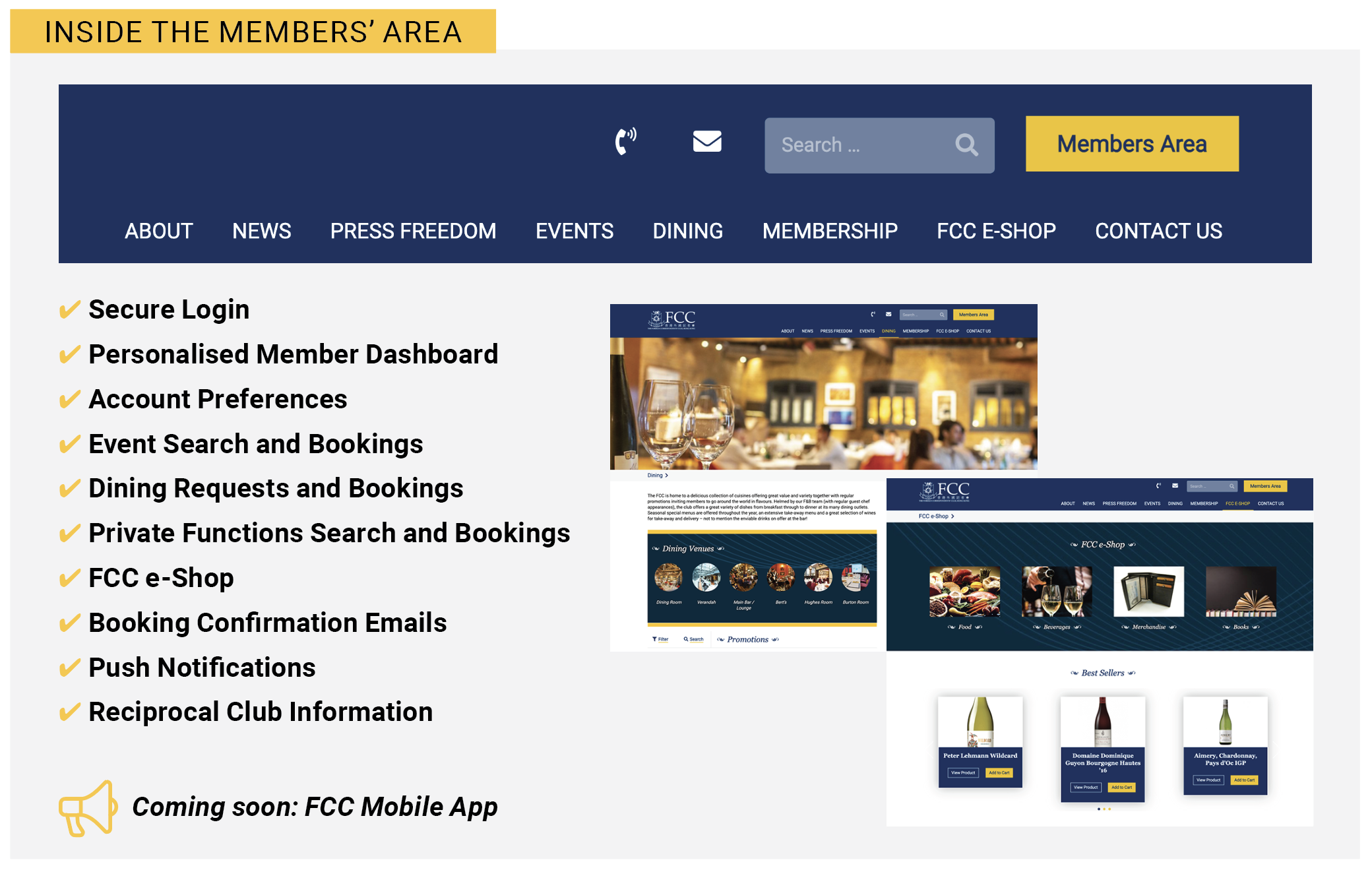
Among the highlights is a freshly redesigned website with a dedicated “Members Area” – a one-stop-shop where members can book events, reserve a table, order club merchandise and manage their accounts. “The website’s new design and photography make it more inviting and interesting for members, and the speed of the site improves the user experience,” says Saugy, who has been instrumental in steering the new website. “You can still call us to book events or tables, not everyone is a tech master, and we welcome feedback.”

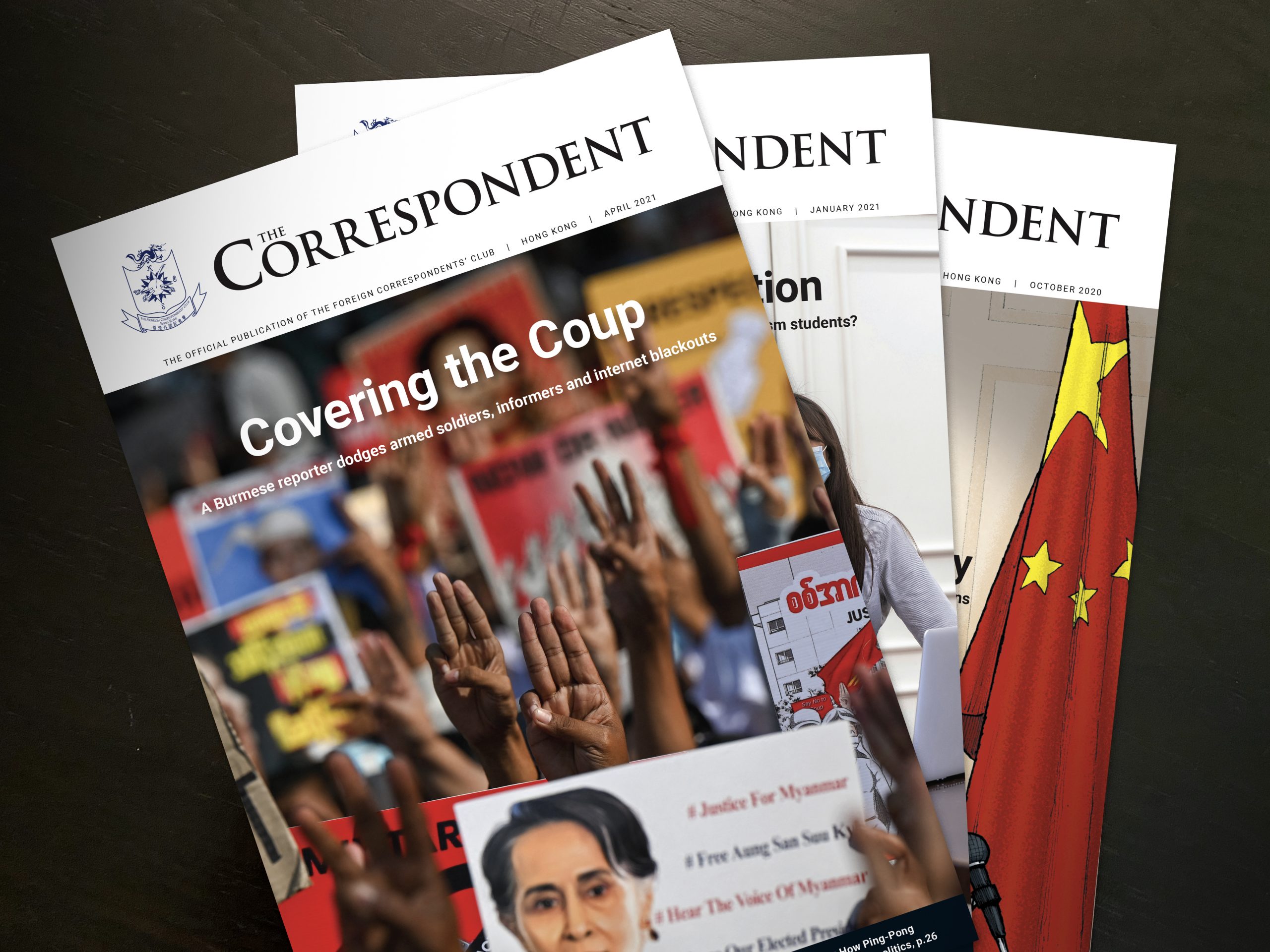
The Correspondent magazine has also had a revamp with an elevated design and content overhaul, as has our weekly FCC “What’s On” member e-newsletter. Meanwhile, the club’s social media channels – Twitter, Instagram, Facebook, and YouTube – have been steadily growing in popularity and engagement thanks to our content strategies.

We hope these tools help members get the most out of the club and attract new faces to our eclectic community. In the meantime, we caught up with three of the people who brought these initiatives to life.

A Refreshed Website

Every institution, even one as historic as the FCC, needs an online presence that fits neatly into its customers’ lifestyles. Hearing the call from members for a faster, more streamlined and mobile-friendly website, we set to work to bring you a totally redesigned website with a beautiful layout and several useful, convenient functions.

This spring, we were proud to launch the new website and collect feedback from members for further tweaks and improvements. We asked designer Jonathan Gillespie of Boss Digital about the new look, feel and functionality to learn more:


What can members expect from the new website?

Jonathan Gillespie: In a nutshell: You’ll discover a more mobile-friendly site with faster loading speeds and greater security. You’ll also enjoy more convenient access to member services online, including your account, through a new personalised member dashboard where you can make bookings, place orders and manage your profile. We’ve also incorporated an improved shopping experience via the FCC e-Shop – where food, beverages, merchandise, and books are all on sale – and an event calendar that makes it easy to search, browse and book events.


What are the key features of the redesign?

JG: We’ve used the latest FCC brand colours and a contemporary design that utilises new technologies, including an auto-updating homepage, push notifications, subtle animations and page loading effects. It’s compatible on desktop, mobile and tablet, plus there’s a new online enquiry form that sends messages directly to the relevant FCC department.


How can members get the most from the website?

JG: All you have to do is create an account via the Members Area, so you can make bookings for events, functions, restaurants and shop online.


What’s still in the pipeline?

JG: We have apps for iOS and Android in the works, which we plan to launch this summer. Members can set communication preferences, such as email or push notifications, based on what type of information they wish to receive – be that events, news, or promotions.

Have feedback on the new website? Share it with our concierge team via phone (2521 1511) or email ([email protected]).

Turning a New Page

The Correspondent magazine has a long history, dating to the 1970s. The original design held steady for decades, only seeing a revamp for the first time in 2016. Four years later, in 2020, designer Noel de Guzman helped move the magazine forward again with a new look.

“We incorporated the club’s corporate colours – blue and yellow – and peppered them throughout the magazine to create a more modern, punchy look and guide the reader’s eye,” says de Guzman.

“We also added a lot of entry points such as icons, boxes and pull-outs to make the pages more interesting and selected a new headline font, Roboto, and body font, Adobe Caslon Pro, to make the magazine look more contemporary and easier to read.”

The magazine has grown by leaps over the last few decades, and the print run of 2,800 copies per quarter now reaches 2,405 members, 93 reciprocal clubs, 31 press clubs, 125 consulates and 35 clubs across 43 countries.

To learn more about the 2020 upgrade, we asked Editor Kate Springer to weigh in on the content direction:


How has the magazine changed in design and content?

Kate Springer: In terms of design, we have aimed for a more energised look that is easier to read and navigate thanks to a thoughtful balance of text and visuals. A little white space goes a long way! Noel has done a great job of retaining the classic FCC style while embracing a more contemporary tone.

When revamping the content, I set out to emphasise people – exactly what makes the FCC so special – as well as timely press freedom issues, regional coverage and more lifestyle content. We’ve also played around with formats to keep things interesting, so readers will find a nice mix of round-ups and Q&As, short highlights, graphs, illustrations, longer reads, photo essays, retrospectives and more.

Whether you read the magazine from cover to cover, or you dip in for an article or two, we hope that you enjoy the diverse voices, stories and layouts.


What are your favourite sections?

KS: ‘Members’ Insights’ and ‘Staff Profiles.’ In the former, we set out to showcase the talents and experience of various members. There are so many interesting FCC members that it’s hard to narrow it down sometimes.

We hope the short interview in the ‘Staff Profiles’ section not only helps you put a face to a name but also celebrates the many people who make the FCC feel like home.

I also love our expanded food and beverage coverage, since the FCC is home to exceptional bars and restaurants – each with an atmospheric setting. In this section, towards the front of the magazine, you’ll find high-quality, appetising photography, a round-up of upcoming dining promotions, wine-pairing inspiration, recipes and interviews.

As a magazine about journalism, we naturally put a lot of time and effort into our feature articles. We explore industry trends, expert insights, press freedom concerns, lifestyle issues, meaningful historic moments, and dispatches from around the region to create relevant, engaging content for FCC members.


Where can The Correspondent be enjoyed online?

KS: You can enjoy an improved reading experience on the FCC’s newly redesigned website (fcchk.org/news/the-correspondent) or head over to ISSUU to read a digital version of the magazine (issuu.com/fcchk). Thanks for reading!

Should you wish to share story ideas or feedback with The Correspondent, please contact: [email protected].


Social Media: Follow & Share

As a club of conversations, we have invested a lot of energy in growing our online presence via key social media channels this year. Join the discussion on your favourite platforms:

Facebook

Likes: 10,126*
Followers: 11,400
Follow Us: The Foreign Correspondents’ Club, Hong Kong?
Tag Us: @fcchk.org


Instagram

Followers: 1,238*
Follow Us: @fcchkfcc
Tag Us: @fcchkfcc
Tag Your photos: #fcchk


Twitter

Followers: 18,800*
Follow Us: @fcchk
Tag Us: @fcchk


LinkedIn

Followers: 945*
Add Us: FCC Hong Kong


YouTube

Subscribers: 7,210*
Total Views: 1.3 million
Find Us: FCC HK

*Numbers correct as of 18 June 2021


COMING SOON: THE FCC PODCAST

Stay Tuned… we have a podcast in the works

Over the years, the FCC has hosted an array of diverse, topical and inspirational speakers from all over the globe and our aim is to archive these in our very own podcast.

Please reach out if you are keen to get involved in the Communications Committee and help bring this podcast to life.

Introducing the FCC’s New Members: July 2021

What do a Swede, a Singaporean, a surveyor and a solicitor have in common? The FCC, of course.


Rebecca Bailey

Rebecca Bailey

I moved to Hong Kong last November to join AFP as a news editor (and as it turned out, bassist in the newsroom band, The Wires.) I also produce the “Asia Matters” podcast in my spare time. Prior to this, I worked for the BBC in Scotland, Singapore and London, including editing the flagship programme “Outside Source”. Three of us on the team started the 50:50 diversity project, which has since grown to become a global alliance of more than 100 partners in 26 countries.


Cecilia Carlsson

Cecilia Carlsson

When we left Sweden for Hong Kong in 2003, my husband Ulf – a handball player who ended up in fintech – and I decided to make the most of what we thought would be a short adventure. Some 18 years on, Hong Kong is home; it’s where our three daughters grew up, and where the adventure has never ended. With my background as a news researcher with Sveriges Television, I have always been drawn to the vibrant news hub that is the FCC.


Fiona Chan

Fiona Chan

I am a solicitor, and was educated first in the New Territories and subsequently in England. Music is very important to me and I recognise its importance to others, including those less fortunate than me. Prior to my legal career, I was a part-time piano teacher for five years in a community centre in a housing estate. I belong to a new generation of Hongkongers and I hope to be given the opportunity to bring new thoughts and perspectives to FCC members – both those connect with my profession and beyond.


Vanessa Hemavathi

Hmavathi

I am Singaporean and relocated to Hong Kong about six years ago. I have had several interesting career pivots, having started out as a chemistry teacher in Singapore before switching to travel as a flight attendant with Singapore Airlines. Subsequently, The Wall Street Journal brought me to Hong Kong. I currently work in finance and lead a charitable organisation called Help for Children Asia. As an ardent arts and literature lover, I especially enjoy watching plays.


Simon Jankowski

Simon Jankowski

I am originally from Australia and moved to Hong Kong in 2018 as security director at BT specialising in cyber security. Previously, I had often travelled to Asia for work and had always loved Hong Kong, so I jumped at the opportunity to move here when it arose. In my spare time, I am a freelance photographer and techie. I love the atmosphere of the club and its members.


Stella Law

Stella Law

I am a mother of two, a chartered surveyor, an accredited appraiser, a columnist for several financial magazines and newspapers, a part-time lecturer at HKU Spaces, and also an entrepreneur. I founded my own company, CHFT Advisory and Appraisal, in 2014. One of my missions is to bring the power of technology to the industry and fuel the expansion of my firm’s global business. In 2019, I was selected as a rising star by the American Society of Appraisers and I also won a Golden Bauhinia Women Entrepreneur Award (Innovation Technology) recently.


Jack Lee Sai Chong

Jack Chong

I am active both as an art historian and critic, and often comment on Hong Kong’s art and cultural scene. Apart from teaching in various universities, my major interests are the study of Hong Kong art, motoring history and food culture. One of my recent publications was Motor Heritage in Hong Kong From the Postwar Era to 1960s, a research project funded by Wilson Heritage. As the founder and vice chairman of the Hong Kong Art History Research Society, I write regularly for the press, including several automobile magazines.


Ambrose Li

Ambrose Li

For the past three years I have produced documentaries and news features for a local broadcaster. In my previous life, I trained as an art historian and worked at a 1,000-year-old English castle, which is a UNESCO World Heritage Site. Life has taken me to Hong Kong, Canada and the UK. Consistent with my wanderlust, I study Italian in my spare time, and hope to be able to live in Italy at some point. Some of my favourite things include dogs, wine, hiking, cooking, and museum-hopping – maybe not all at once.


Kane Mak

Kane Mak

I am a lawyer by profession, with a dispute resolution and contentious regulatory focus. While the more interesting aspects of my work involve handling regulatory and criminal investigations and white-collar defence, the real joy comes from occasionally officiating marriages for friends and other couples as a civil celebrant – after all, it’s one of the happier occasions in life when one needs a lawyer. You will probably see me around the club during weekends with my wife Ruby and mischievous one-year-old son Ryan.


Mihir Melwani

Mihir Melwani

I’ve reported from all corners of Hong Kong for international and local outlets, most recently on the city’s underground street racing scene. I’m always on the hunt for weird and wonderful stories. I was born and raised in Hong Kong. Second home – Whistler Mountain in Canada. I have a background in mechanical engineering. Young journo, big dreams.


Peter Ng

Peter Ng

I am a litigation solicitor with Herbert Smith Freehills. I was born and educated in Hong Kong, and have spent time studying and working in London, Beijing and Kingston, Ontario. I enjoy going to classical concerts and operas (my favourite is “Der Rosenkavalier”, and a good beer. Lately the pandemic has made it possible to enjoy both at the same time – with the help of online streaming. My wife Stephanie and I are thrilled to be joining the club.


Anita O’Sullivan

Anita Sullivan

Growing up in Poland, the thought of travelling outside the Eastern European bloc was something I never envisaged. I still remember the sense of freedom when I got my first passport after the fall of communism in the 1980s. After graduating from the Warsaw University of Technology with a master’s degree in chemical engineering, I joined the biggest gas company in Poland. But after qualifying and working as an engineer, the funny thing is, I have spent most of my professional career working in the finance industry.


Jadyn Beverley Sham

Jadyn Sham

I grew up in Melbourne and came to Hong Kong in 2008, at the height of the global financial crisis. A year later, I found my first job with Bloomberg TV Asia and my career in journalism took off. Reuters became my next base as I continued to thrive in business news. In September 2018, I began working for CNN – my first gig in hard news and I got a heartfelt taste of it during the 2019 Hong Kong protests.  Today, I continue to follow the Hong Kong/Taiwan story, US-China relations and any animal stories we can find around the world.


Nick Turner

Nick Turner

These days, I work as a lawyer, but I started out as a journalist of sorts. In the early 2000s, I wrote advertorials for Women’s Wear Daily in New York City. Think legwear, Fashion Week, and cotton fabric – real hard-hitting news. Not bad for a hayseed from Nebraska, but a fashionista I wasn’t. After some time in Washington DC and Los Angeles, I shipped off to Hong Kong. For work, I advise banks and other companies on US administrative law, mainly economic sanctions. I’m a co-chair of the American Chamber of Commerce’s Law Committee and a RUSI Associate Fellow.


Tae Yoo

Tae Yoo

My family and I came to Hong Kong from Chicago, Illinois, in 2008. We’ve also lived in Singapore but in 2011 I joined Hong Kong Exchange & Clearing. I love Hong Kong for its diversity, culture, food and vibrancy. Living in Asia has been an eye-opening experience for us as Korean-Americans. It has given us the opportunity to travel all around the region over the last 13 years to learn more about culture, history and food.

How One FCC Member Is Tackling the Oceans’ Plastic Plague

Doug Woodring, founder and managing director of Ocean Recovery Alliance, outlines what we can all do about the plastics that threaten to take over our seas. By Morgan M Davis

It’s no secret that the world has a plastic problem. In recent years campaigns have called for a ban on plastic shopping bags and straws, but as Doug Woodring can testify, this is just the tip of the iceberg. In his 25 years living in Asia, including a decade running the Ocean Recovery Alliance, Woodring has seen how a societal reliance on plastic wreaks its toll.

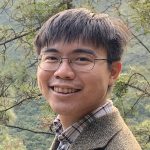
Doug Woodring Ocean Recovery Alliance founder Doug Woodring.
How has awareness about plastic pollution changed since you started Ocean Recovery Alliance in 2010?

Doug Woodring: It has become a global effort, as opposed to simply trying to protect the local creek or river. That’s important with plastic because, like air pollution, when it gets in the water, it moves. Plastic doesn’t degrade very easily. There’s only one way the problem can be solved and it’s from all things upstream. The ocean is just the downstream recipient of our activities.

 Because of David Attenborough’s “Planet Earth: Blue Planet II”, which spoke out quite strongly about the plastic issue, the UK and many other countries got excited. In Thailand they closed Maya Bay, where “The Beach” was filmed, due to pollution. Five years ago you never would have expected that a government would close their most famous tourist spot due to pollution.

When COVID-19 first emerged, I thought this was going to make us lose all the momentum. But we will come out the other end, probably with more corporations and governments ready to do things that can really make a difference.

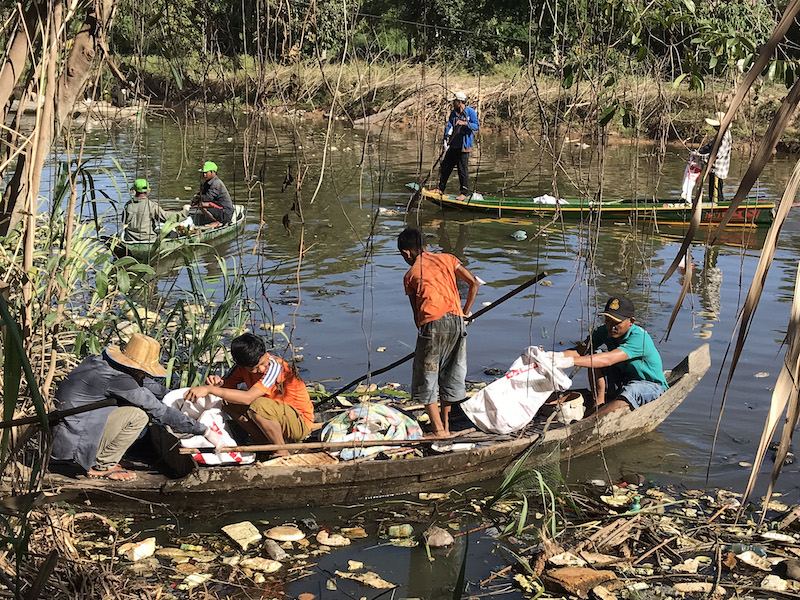
Cambodians clear rubbish from a river.
Aside from reducing our everyday plastic use, how can we make real changes?

DW: The average half-life of plastic is more than 400 years. The challenges are societal; the way we do things on the run and use products that are cheap and packaged. It’s almost impossible to get away from it. You can’t go back to paper, glass, wood and metal in large volumes because of the environmental footprints that those also create. If you think about it, every single piece of plastic has left someone’s hand before it became garbage.

Carbon comes out of a big factory or a big power plant, and big trucks and boats that the average citizen doesn’t have a chance to touch. But plastic and waste are different. It is not that people want to litter, but the infrastructure is just not there.

Governments have a role to play because they can set policy. Consumers don’t have much power because they pretty much follow the lead for whatever they’re given. Some make an impact with their wallets

and their voices but a lot of them just pick up whatever’s on the shelf, and don’t think twice. I believe it’s the corporations that have the biggest role to play. They have the budgets and the marketing teams. They can tell the story, educate and lead policy. It’s been a chicken-and-egg problem. If someone doesn’t start to get the ball rolling, then we’ll never achieve economies of scale.

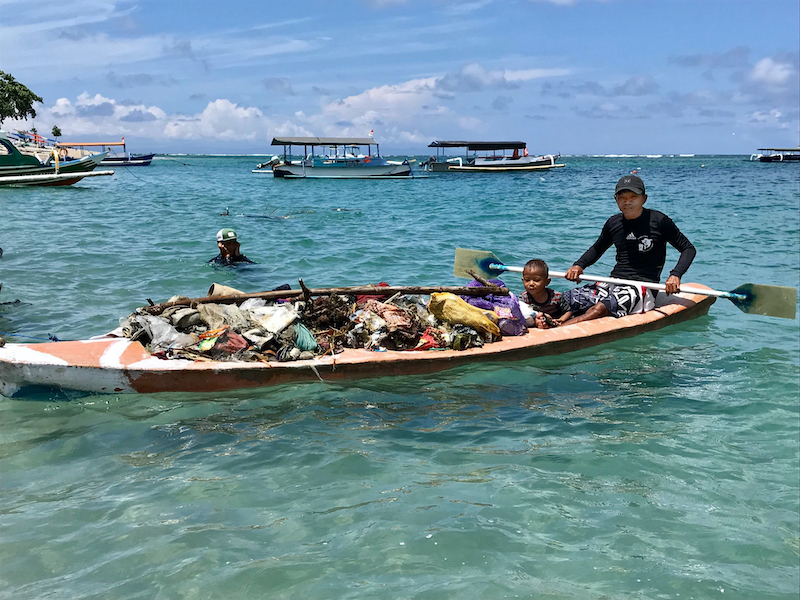
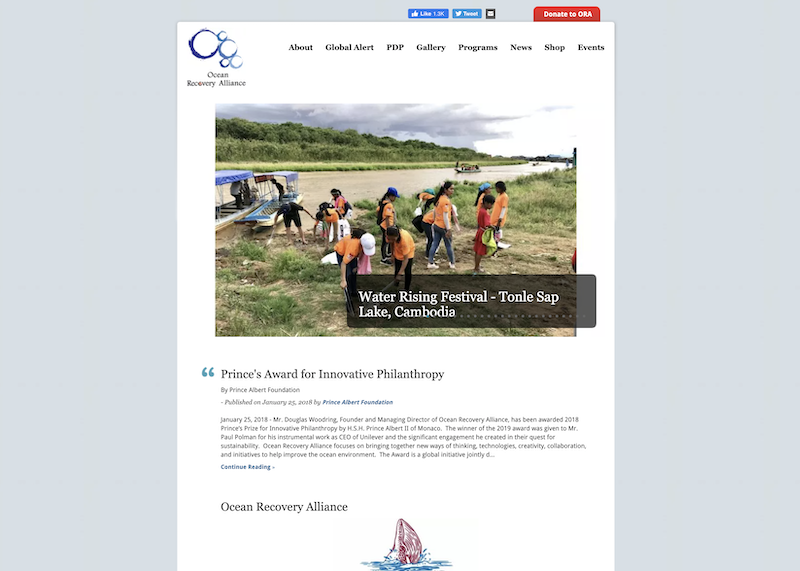
On Lombok, where plastic pollution threatens tourism and fishing, the Ocean Recovery Alliance helped start a weekly ocean clean-up.


Why did you decide to set up Ocean Recovery Alliance in Hong Kong?

DW: Asia has an opportunity to make changes because most of the manufacturing comes from this part of the world. You’re starting to see brands from the West ask for supply chain changes and material changes. Asia may well be an innovator for a lot of this.

The interesting thing about Hong Kong is that most corporations have or have had offices here. Instead of me living in the US or somewhere else and having to travel to 50 cities to meet different companies, I can almost do all of that here. Your readers are probably working for companies or institutions in Hong Kong that can be involved in our efforts by just doing the Plastic Disclosure Project [a reporting framework for measuring plastic use]. There’s no right or wrong number for plastic use, but you need to set a baseline for what you use.


Doug’s Toolkit

Learn more about the global plastic problem by checking out these sources:

Commitment

In a UN Environment-funded study, Ocean Recovery Alliance scored 580 global commitments on plastic pollution, and created a scorecard and toolkit to find the best possible scenarios. oceanrecov.org


Waste & Opportunity

Not-for-profit organisation As You Sow puts together reports on 50 corporations’ efforts, or lack thereof, to use sustainable packaging.
asyousow.org


Plastic Wave

“Breaking the Plastic Wave”, a Pew Charitable Trusts report, looks at what can be done to solve our plastic pollution problems. pewtrusts.org

FCC Recipe: How to Cook Char Kway Teow

Executive Chef Johnny Ma lets his creative eye roam around Southeast Asia to conjure his version of one of the region’s most popular comfort foods. Now you can follow his sterling example at home.

It would be hard to come up with a dish that’s more fusion, and more Asian, than char kway teow – stir-fried flat rice noodles. It started out, so legend has it, as a sort of fast-food cooked by farmers, fishermen and cockle-gatherers who were looking to make some extra cash serving labourers with a tasty meal that was inexpensive and easy to make.

Regional variations abound, as chefs adapted recipes to cater for local tastes and make the best of whatever foodstuffs were on hand. But from Guangdong to Malaysia to Singapore and beyond, the hearty mix of seafood and sausage on a bed of noodles spiced up with chilli and soy has been whetting appetites for generations. Here’s how to whip up the FCC’s version just like Executive Chef Johnny Ma.


Char Kway Teow Recipe:

Ingredients:

Sauce

5 tbsp soy sauce

1½ tbsp dark soy sauce

1 tbsp sugar

½ tsp  fish sauce

½ tsp salt

¼ tsp pepper powder


Chilli Paste

30g seeded dried red chillies, soak in water

2 pcs fresh red chillies, seeded

3 pcs small shallots or pearl onions, peeled and sliced

1 tsp oil

1 pinch salt


Other Ingredients

2 tbsp oil

3 pcs cloves garlic, chopped finely

8 pcs shelled prawn; submerge in ice cold water plus 2 tbsp sugar for 30 minutes

50g Chinese sausages, sliced diagonally

1 bun fresh bean sprouts, rinsed with cold water and drained

400g fresh flat rice noodles, loosened with no clumps

2 pcs large eggs

1 bun Chinese chives; remove about 2 cm of the bottom section and cut into 2 cm strip


Instructions

  1. Mix the sauce ingredients and set aside.
  2. Grind all the chilli paste ingredients until fine using a mini food processor
  3. Heat up a wok with 1 tsp oil and stir-fry the paste until aromatic. Move to a dish and set aside.
  4. Clean the wok thoroughly. Heat on high until it starts to smoke. Add 2 tbsp oil, chopped garlic and do a quick stir.
  5. Remove prawns from water and combine with sausage in the wok. Stir a few times with the spatula until the prawns start to change colour and you can smell the sausage.
  6. Add bean sprouts into the wok, then the noodles.
  7. Add 2½ tbsp of the sauce and stir vigorously to blend well. Using the spatula, push the noodles to one side.
  8. Add a little oil on the empty area and crack the eggs on it, then scramble with a spatula.
  9. Flip the noodles and cover the egg, and wait for about 15 seconds.


We measure site performance with cookies to improve performance.