
Improving literacy in Hong Kong — an FCC panel discussion
By Hugo Novales
According to the Progress in International Reading Literacy Study of 2021, only 16% of parents in Hong Kong read with their children — far below the international average of 42%. Only 32% of Hong Kong’s youth say they are confident with their reading skills (still below the 43% international average) and just 14% of the city’s parents actually enjoy reading.
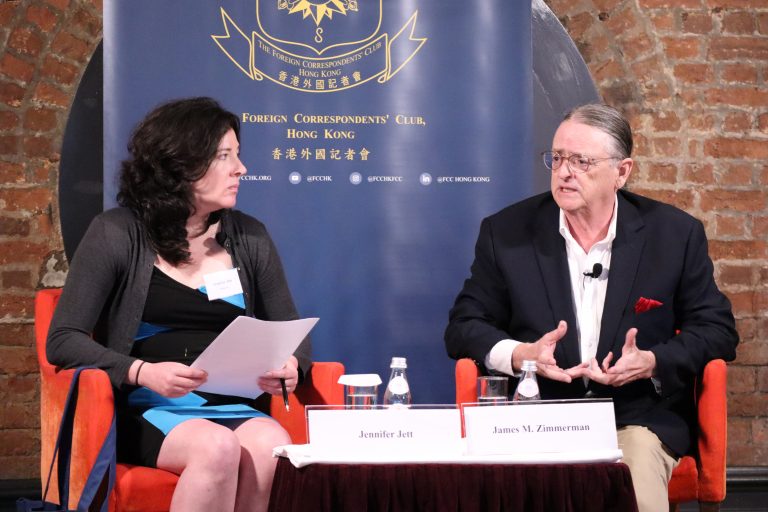
To discuss how Hong Kong can improve its literacy rates and foster a love for reading in both children and adults, the FCC held a Club Lunch panel featuring representatives from three literacy-focused charities in Hong Kong.
Sitting on the panel was Christine Choi, Director of Elephant Community Press; Matthew Coulson, Executive Director of Kids4Kids; and Manoj Dhar, the Co-Founder and CEO of Integrated Brilliant Education. The three charity leaders sat with Morgan Davis, then the First Vice President of the Club (now President) and Convenor of the Club’s Charity Committee.
Davis first began the discussion by asking the panel about how they define literacy and how children can become more interested in reading every day. The panel agreed that modern technology — particularly TV, smartphones, and videogames — posed a bit of a challenge to developing children’s interest in reading. However, they also advised that parents should provide opportunities for their children to improve their literacy by reading books featuring topics that interest them — without restriction.

“There shouldn’t be boundaries based upon your age of what you should and shouldn’t read. You just have to have partners who are there to support you in what you’re reading and helping you to understand them,” said Matt Coulson, who admitted to being an avid reader when growing up.
Coulson finds that by allowing children to pick any age-appropriate books that interest them will help them develop a positive relationship with reading that they will then carry with them for the rest of their lives.
Christine Choi has a different approach to engaging children with reading. At Elephant Community Press, she leads creative writing workshops for kids. By having children not just read storybooks but also having them attempt to write their own stories, Choi has seen children develop higher interest and proficiency with reading.
“If kids can see why writing and reading [are] useful to them, how adults around them use it in real life, then there’s meaning for them [about] why they should learn to read,” Choi said.

Manoj Dhar, the final panelist, also encouraged parents to become more involved with their children’s education. From his experience at IBEL, he has noticed the tendency that many parents have to simply leave the most critical components of child-raising to their domestic helpers, including reading. He also noted the local education system’s preference to assign homework and promote memorisation versus learning through an enjoyable process.
While it may be difficult to overhaul Hong Kong’s entire educational system, Dhar remained firm that parents must remain responsible for the outcome of their child’s educational success.

“The parents have to remember that the moment they’ve given birth to a child, it’s a lifelong responsibility,” Dhar said.
The panel also discussed AI’s impact on reading and writing, finding bookstores in Hong Kong, and other cultural barriers that impact literacy in Hong Kong.
To watch the full discussion, please visit the FCC’s YouTube channel: