
Marriage Equality Across the World in 2025
By Hugo Novales
Out of the 38 jurisdictions around the world that have legalised same-sex marriage, only 2 in Asia have done so. Taiwan was first to grant gay couples the same legal rights as heterosexual couples back in 2019, and Thailand followed suit this past January.
In Hong Kong, the Court of Final Appeal issued a 2023 verdict that gave the government a two-year deadline to create the legal framework necessary to recognise same-sex marriage. However, the proposed Same-Sex Partnerships Bill, which would have given gay couples rights regarding medical decisions and end-of-life care, was voted down 14-71 in early September.
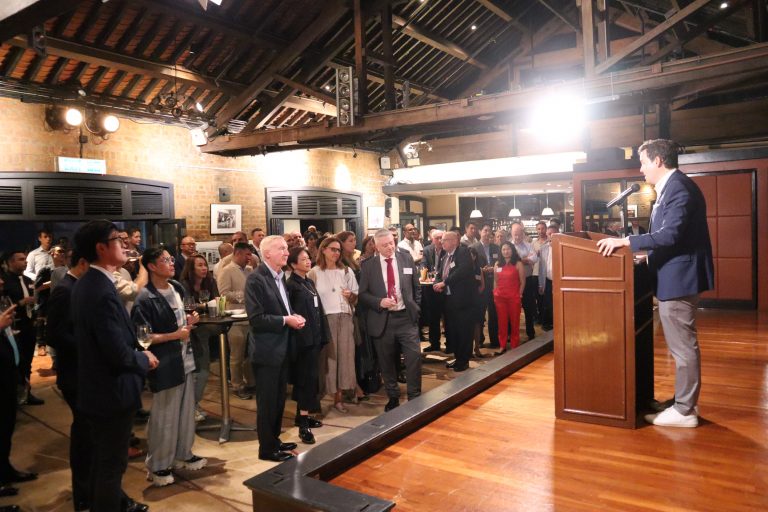
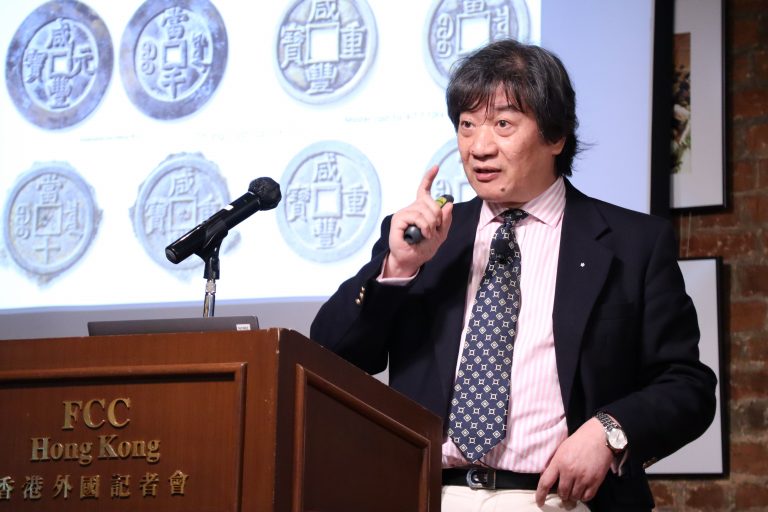
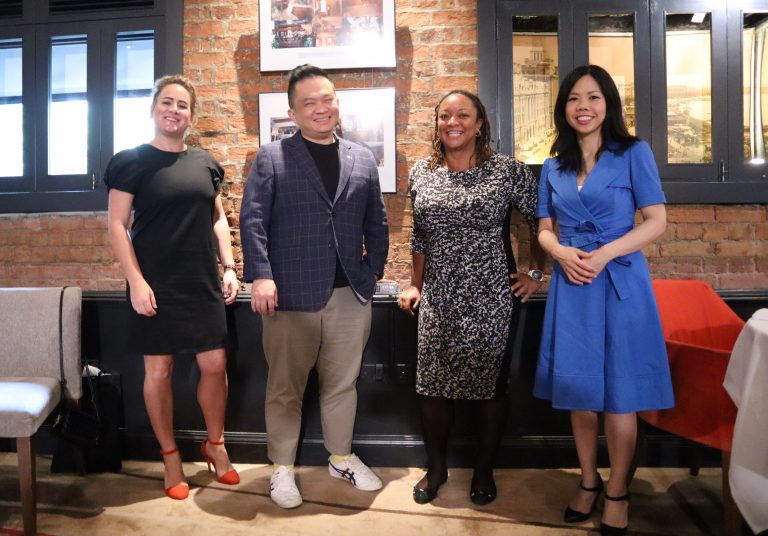
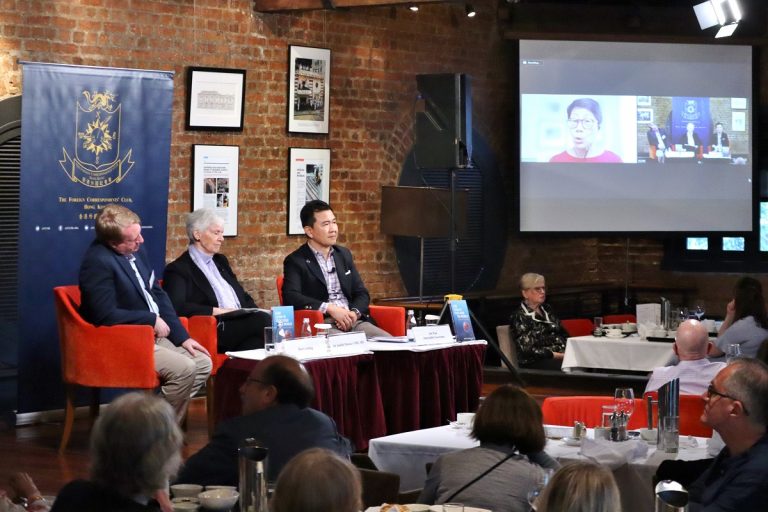
With this news fresh in mind, the FCC held an October Club Lunch panel featuring Jerome Yau, Co-Founder of Hong Kong Marriage Equality (HKME), as well as three Consuls General from countries that have legalised same-sex marriage: Jennifer Bourke from Ireland, Chaturont Chaiyakam from Thailand, and Pablo Macedo from Mexico.
Hosting the panel was FCC President Morgan Davis, who asked the three Consuls General to describe their respective countries’ processes for legalising same-sex marriage.
Ireland was the first to legalise same-sex marriage via popular vote in 2015. In the ten years since then, Bourke observed that despite her country’s historical ties to the Catholic Church, same-sex marriage hasn’t resulted in any negative impacts to Irish society as previously claimed by religious conservative groups.
“The sky didn’t fall. Nothing bad happened. Everything just kind of continued as normal, but it was better for the LGBTQ community,” she said.

Also navigating LGBTQ issues in a historically conservative society is Mexico, the first Latin American country to legalise same-sex marriage. Starting with Mexico City in 2009, same-sex marriage was then a federal issue, meaning that all 31 states in Mexico needed to pass their own local laws to allow gay couples to get married. The final state to enact same-sex legislation did so in 2022, and Mexico then made marriage equality a constitutional right in February 2023.
Macedo commented on the seemingly contradictory nature of protecting LGBTQ rights in such a devoutly religious society.
“Mexico is the only country in the world with an X in its name, and X also goes in oxymoron. It is a contradiction. Mexico is a contradiction in many, many things,” he said, adding that, “I don’t see any dissent now, even in very staunch conservative groups. People are getting used to it.”

In the case of Thailand, Chaiyakam explained that while the “land of smiles” may appear to be the most LGBTQ-friendly country in Asia, even with its “Pink Plus economy” aimed to attract tourists from around the world, conservatism is still a core value among Thai people.
“From outside, I think you may think Thailand is a liberal country, but deep down, if you are in Thailand, we are a very conservative country. But we have embraced diversity,” he said.

Thailand’s growing acceptance of the LGBTQ community and the increasing number of couples of all sexual orientations not having children helped pave the way for the Marriage Equality Act to be passed in October 2024 and put into effect this January.
While conservative groups still exist in Ireland, Mexico, and Thailand — with some groups still voicing their strong opposition to the LGBTQ community — the three Consuls General agreed that it would be unlikely that any of their country’s marriage equality legislation could be reversed easily.
Hong Kong hasn’t been able to pass its own legislation. Still, HKME is committed to educating citizens about LGBTQ issues.
“Our campaign is to win hearts and minds. In any society, you have people who are supportive of our cause, people who are against our cause, but at the same time we have the ‘moveable middle’, which is the group of people [who] we want to win support [from],” Yau said.

He then explained that despite a 2023 survey in which 60% of respondents said that they supported same-sex marriage, Hong Kong is also home to a strong, conservative block who are primarily Christian. There are more Buddhists and Taoists living in the city, yet Yau highlighted how this group has a massive amount of support and influence — resulting in the bill’s 14-71 loss in the Legislative Council.
While some may view this as an end to Hong Kong’s efforts to enact marriage equality, Yau and HKME haven’t lost hope for a more inclusive future.
“It’s a matter of time,” he said.
To watch the full discussion, please visit the FCC’s YouTube channel: